


Listen to the article
The White House is facing significant backlash over a controversial social media campaign that used pop culture references, including video game content, to promote U.S. military actions in Iran. The campaign has drawn criticism for its tone and timing, particularly in light of recent military operations resulting in civilian casualties.
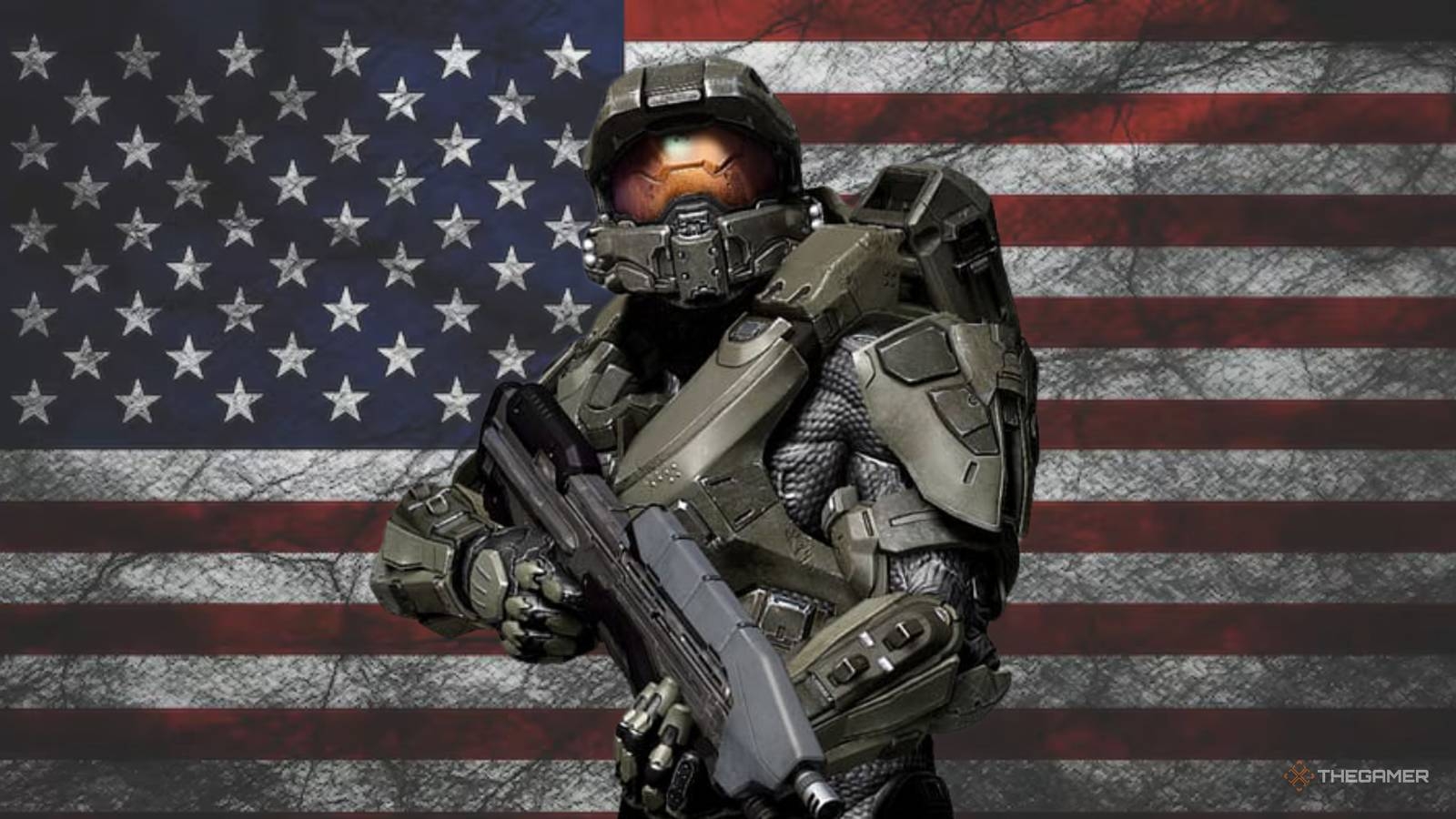
At the center of the controversy is a promotional video released by the official White House social media accounts captioned “Justice, the American Way.” The video compilation included clips from various entertainment properties, notably featuring the iconic video game character Master Chief from the Halo franchise saying his well-known line, “Finish the fight.”
The social media campaign has been widely criticized for its jarring juxtaposition with reports of U.S. military operations in Iran that have resulted in significant civilian casualties. According to CBS reporting, a U.S. military strike hit a girl’s primary school in Iran, resulting in 168 fatalities. The timing of the promotional content alongside these reports has intensified scrutiny of the administration’s communication strategy.
Steve Downes, the voice actor for Master Chief, has publicly condemned the use of his character and voice in what he described as “propaganda” supporting military action in Iran.
“It has come to my attention that there is at least one propaganda video circulating that was either produced or, at the very least, endorsed by the White House that uses images of Master Chief and uses my voice to support the war in Iran,” Downes stated in a social media post. “Let me make this crystal clear: I strongly oppose this unauthorized use of my performance.”
The controversy highlights growing concerns about the government’s use of popular culture and gaming references to frame serious geopolitical and military actions. Critics argue that such communication strategies trivialize the gravity of armed conflict and its human cost, while potentially appealing to younger demographics through familiar entertainment references.
Media analysts point out that this represents a troubling evolution in government communications, blurring the lines between entertainment, propaganda, and serious policy announcements. The use of what some observers have called “sigma” content—internet slang for content appealing to lone-wolf mentalities and hypermasculine stereotypes—raises questions about the messaging strategy and its intended audience.
The gaming community has been particularly vocal in its response, with many expressing discomfort at seeing beloved fictional characters co-opted for political messaging about real-world conflicts. Industry professionals have noted that this incident touches on longstanding concerns about the relationship between military action and its glorification in entertainment media.
This controversy emerges against the backdrop of increasing tensions in the Middle East and domestic debates about U.S. foreign policy objectives in the region. Foreign policy experts have expressed concern that such communication approaches may undermine diplomatic efforts and international perception of American objectives.
The White House has not yet issued a formal response to the criticism or addressed questions about the approval process for such content. Questions remain about whether proper licensing was secured for the use of copyrighted entertainment properties in government messaging.
As the situation develops, this incident underscores the challenges of government communication in the digital age, where the lines between official statements, propaganda, and popular culture continue to blur, often with unintended consequences.
Fact Checker
Verify the accuracy of this article using The Disinformation Commission analysis and real-time sources.

6 Comments
Interesting criticism from the Halo actor. Using a beloved video game character to promote military actions does seem a bit tone-deaf, especially given the civilian casualties reported. I wonder if the White House will rethink this approach.
I’m curious to see if the White House will heed the Halo actor’s demand to halt this campaign. Using fictional military characters to promote real-world operations is a risky tactic that can easily backfire and damage public trust.
I appreciate the Halo actor’s principled stance in calling out the White House’s use of his character’s likeness. Promoting military actions through pop culture references can come across as cynical and disrespectful, especially when civilian casualties are involved.
The White House’s decision to use the Master Chief character in its propaganda seems misguided. While they may have intended to appeal to a younger audience, the juxtaposition with reports of civilian deaths is jarring and inappropriate.
I agree, the timing of this campaign is very poor and in poor taste. The White House should be more mindful of the optics and impact of such tactics, especially during active military operations.
The White House’s decision to leverage the Master Chief character in its propaganda is concerning. While I understand the desire to reach a wider audience, this approach seems like a misguided attempt to capitalize on a beloved video game icon.