


Listen to the article
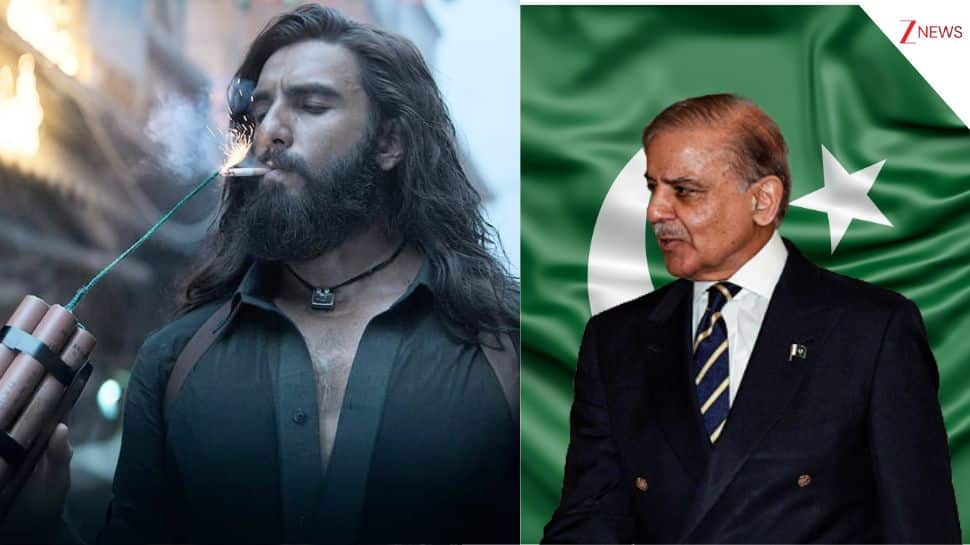
Gulf Nations Ban Indian Film “Dhurandhar” Following Pakistani Pressure
Six Gulf nations have blocked the release of the blockbuster Indian film “Dhurandhar,” despite the movie containing no anti-Islamic content but rather focusing on exposing Pakistani terrorism networks. The United Arab Emirates, Saudi Arabia, Qatar, Oman, Kuwait, and Bahrain have all refused to screen the film, which has already grossed over Rs 200 crore (approximately $24 million) at Indian box offices.
Industry analysts view the ban as a diplomatic victory for Pakistan, which has reportedly lobbied intensively against the film’s release in these markets. The decision raises questions about the influence Pakistan wields in the Gulf region despite India’s significantly larger economic and demographic footprint.
“This appears to be less about religious sensitivities and more about regional politics,” said a film distribution expert who requested anonymity. “The film doesn’t contain anti-Islamic messaging, but rather portrays Pakistan’s alleged support for terrorist operations, which has touched a nerve diplomatically.”
Pakistan’s deep-rooted connections across the Gulf have likely contributed to this decision. Saudi Arabia remains one of Pakistan’s oldest strategic allies in the region, while the UAE ranks as the second-largest economic investor in Pakistan. Additionally, Pakistan has historically provided military training to forces in Saudi Arabia, UAE, Qatar, and Bahrain, creating multi-layered relationships that span economic, military, religious, and political spheres.
The ban is particularly striking given India’s substantial presence in the Gulf region. Bilateral trade between India and Gulf nations exceeds $200 billion annually, with over 30% of India’s oil imports originating from these countries. More significantly, approximately 9 million Indian expatriates reside in Gulf nations, comprising roughly 15% of the region’s 60 million population. These expatriates contribute an estimated $45-50 billion in annual remittances to India.
“Dhurandhar” joins a growing list of Indian productions that have faced similar restrictions in Gulf markets after reportedly depicting Pakistan’s connections to terrorism. Previous films facing Gulf bans include “Uri: The Surgical Strike,” “Fighter,” “Sky Force,” “The Diplomat,” “Article 370,” “Tiger 3,” and “The Kashmir Files.” This pattern suggests a systematic approach to content censorship that aligns with Pakistani diplomatic interests.
The situation highlights a paradoxical approach to censorship across different regions. While Gulf nations restrict content perceived as critical of Pakistan, many Western nations have implemented bans on religious symbols. Austria recently passed legislation prohibiting hijabs for girls under 14 in schools, while 24 countries worldwide now enforce full or partial burqa bans. Even some Muslim-majority nations like Tajikistan, Kazakhstan, Kyrgyzstan, and Tunisia have implemented restrictions on certain Islamic dress.
Meanwhile, economic sanctions represent another form of global restriction, with the United States imposing over 3,100 new sanctions in 2024 alone. The European Union has implemented more than 10,000 sanctions between 2022 and 2025. Russia currently faces over 24,000 active sanctions, making it the most sanctioned nation globally, followed by Iran, Syria, North Korea, and Belarus.
Despite the Gulf bans, “Dhurandhar” continues to perform strongly in Indian markets and other international territories. Film industry observers note that the controversy has potentially increased domestic interest in the movie, with many viewers seeing it as a patriotic statement.
The film’s producers declined formal comment on the bans but have reportedly made extensive efforts to secure regulatory approval in Gulf nations, including offering to make minor edits to meet local censorship requirements.
As this diplomatic cinema saga continues, the incident underscores the complex interplay between entertainment, geopolitics, and regional alliances in South Asia and the Middle East. It also raises questions about how long Gulf nations will prioritize Pakistani sensitivities over their substantial economic and demographic ties with India.
Fact Checker
Verify the accuracy of this article using The Disinformation Commission analysis and real-time sources.

9 Comments
This ban raises questions about the balance of power in the region. While India has a larger economic presence, Pakistan seems to wield significant diplomatic sway in the Gulf. It will be worth watching how this plays out and impacts India-Gulf relations going forward.
Absolutely. The film industry analyst’s comments about this being more about regional politics than religious concerns are quite insightful. It underscores the complexity of the geopolitical dynamics in the region.
From a mining and commodities perspective, this could have wider implications. India is a major consumer of resources, and disruptions in trade relations with the Gulf could impact supply chains and market dynamics. It’s a story worth following closely.
Good point. The mining and energy sectors in particular have a vested interest in maintaining stable trade relations between India and the Gulf nations. This ban could foreshadow broader economic tensions if not resolved diplomatically.
From a mining and commodities perspective, this situation underscores the importance of understanding the complex political dynamics in the regions where we operate. Staying attuned to these factors can help mitigate risks and identify potential opportunities.
Interesting development. It seems the Gulf nations are taking a strong stance against this film, despite its lack of anti-Islamic content. Diplomatic pressure from Pakistan appears to be the driving factor here, highlighting their regional influence.
Yes, it’s curious that the film’s focus on exposing Pakistani terrorism networks has seemingly triggered this backlash. Clearly, regional politics are at play here, beyond just religious or cultural sensitivities.
I’m curious to see if this sets a precedent for other films or media content facing similar bans in the Gulf region. The apparent influence of Pakistan’s lobbying efforts is quite noteworthy and could have ripple effects across various industries.
Agreed. This incident highlights the delicate balance of power and the need for nuanced diplomacy, especially when it comes to issues that touch on regional geopolitics and national security concerns. It will be an interesting case study to follow.