


Listen to the article
Immigration and Customs Enforcement (ICE) is working closely with the White House to produce and distribute videos of immigrant arrests across social media platforms, according to a new investigation by The Washington Post that examined thousands of internal agency messages.
The report reveals that since June, ICE has been directed by the White House to “flood the airwaves” with imagery of immigration enforcement operations nationwide. This push represents a significant shift from previous administrations’ more restrained communications strategies.
“We were supposed to present the facts, not hype things up. But this veers into propaganda, into creating fear,” said David Lapan, a retired Marine Corps colonel who served as Department of Homeland Security press secretary during the first Trump administration. “We didn’t have this meme-ification of various serious operations, these things that are life or death. … It’s not a joking matter. But that’s the way they’re treating it now.”
The internal communications obtained by the Post show ICE officials discussing how to frame videos of arrests, often prioritizing dramatic imagery over context. In one exchange, when a video producer noted that many arrestees might not have criminal histories beyond being in the country illegally, an ICE official suggested focusing instead on demonstrating that agents were “working hard.”
Other messages show agency staff deliberating over which music to use in arrest videos, with one official suggesting they needed something “more hard-core” than country music for footage from Houston operations.
This strategic shift in communications comes as federal immigration agencies have increasingly adopted memes and popular social media trends to promote President Donald Trump’s immigration policies. Recent videos have incorporated trending songs like Sabrina Carpenter’s “Juno” and SZA’s “Big Boys,” prompting swift backlash from the artists. Carpenter described the use of her music as “evil and disgusting,” while SZA accused the administration of “rage-baiting artists for free promo.”
Beyond stylistic changes, the Post’s investigation found that ICE public affairs officers have been instructed to employ more aggressive language in news releases and social media posts. The messaging consistently emphasizes targeting the “worst of the worst” immigrants, regardless of whether that accurately represents those being arrested in operations.
“If the truth of the operation does not match the narrative of the ‘worst of the worst,’ it’s going to be killed,” an unnamed ICE official told the Post.
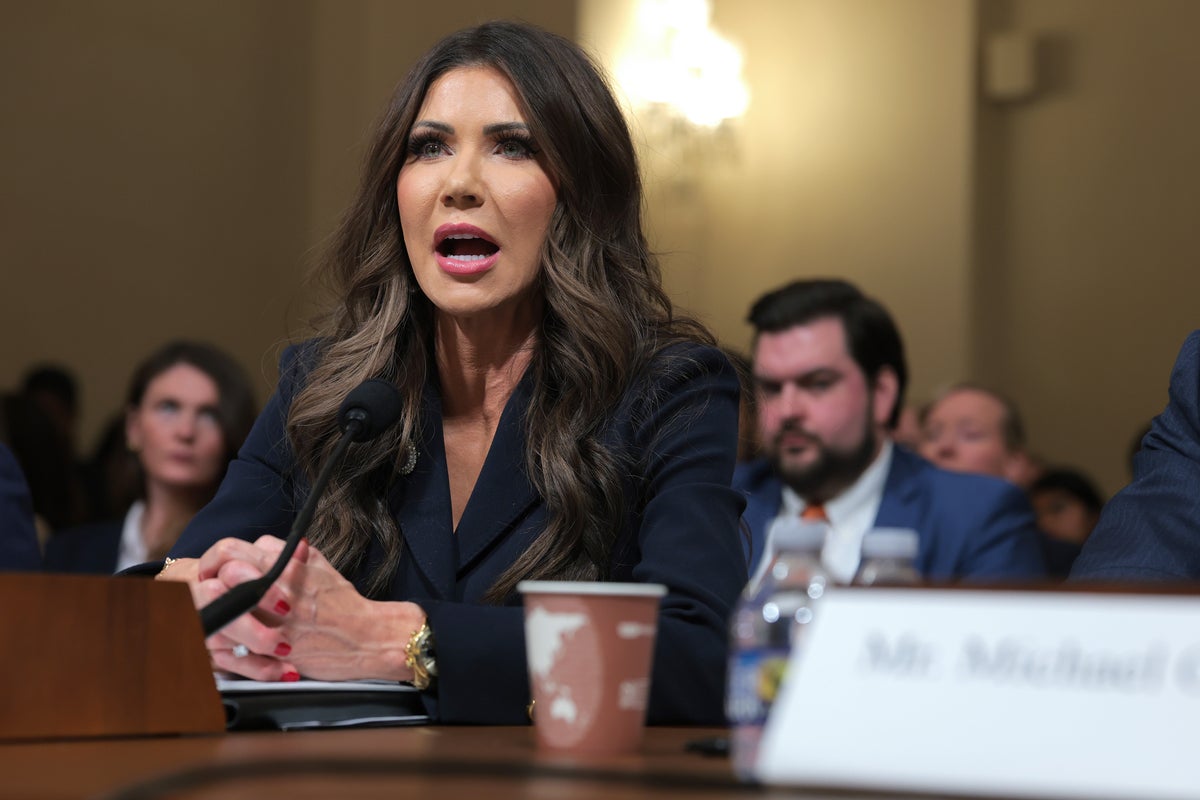
The Department of Homeland Security, which oversees ICE and is led by Secretary Kristi Noem, has defended the communications strategy. DHS spokesperson Tricia McLaughlin told the Post that the White House has granted the agencies “autonomy to create content that is effectively reaching the American public.” She also noted that social media posts using copyrighted material were pre-approved by the administration’s lawyers.
The White House has been unapologetic about the approach. Spokesperson Abigail Jackson told The Independent that “President Trump’s immigration policies are saving lives, and we’re proud of it.”
Jackson contrasted the current administration’s approach with that of President Biden, saying, “After four years of Sleepy Joe Biden’s Administration doing nothing except letting millions of criminal illegal aliens invade our country, it’s not surprising that career DHS bureaucrats are complaining to the media about finally having to do their jobs.”
The social media strategy represents part of the broader immigration enforcement approach that Trump promised during his campaign. Since taking office in January, the administration has prioritized immigration enforcement and border security as signature issues.
Immigration advocates and civil rights organizations have expressed concern about both the enforcement tactics and the communications strategy, arguing that the dramatized portrayal of arrests could stigmatize immigrant communities and inflame tensions surrounding immigration policy.
The Post’s reporting offers a rare glimpse into the coordination between federal agencies and the White House on messaging strategy, highlighting how social media has become a critical battleground in communicating and shaping public perception of controversial policies.
Fact Checker
Verify the accuracy of this article using The Disinformation Commission analysis and real-time sources.

14 Comments
The shift towards a more aggressive, fear-driven communications strategy by ICE is troubling. While immigration is a contentious issue, government agencies should strive to provide the public with objective, contextual information, not partisan propaganda designed to sway opinions.
I agree. This type of tactic erodes public trust and makes it harder for citizens to form well-informed opinions on these complex matters. A more responsible, transparent approach would serve the public interest better.
While immigration policy is a complex and contentious issue, I’m troubled by the White House’s apparent direction to ICE to aggressively push a particular narrative through social media. This type of propaganda tactic seems at odds with the transparency and factual reporting the public should expect from government agencies.
I agree. Responsible communications from government agencies should focus on providing accurate, contextual information to the public, not sensationalized imagery designed to stoke fear or push a political agenda.
This seems like a concerning shift towards propaganda and fear-mongering in immigration enforcement communications. I’m curious to understand more about the motivations behind this strategy and how it may impact public perception and trust in these agencies.
You raise a good point. The meme-ification and dramatization of serious enforcement operations is quite troubling and could erode public faith in the integrity of these agencies.
It’s concerning to see the White House exerting such direct influence over ICE’s communications strategy. Immigration enforcement is a serious matter, and the public deserves to receive information in a measured, responsible way, not through emotive social media campaigns.
Absolutely. Framing enforcement operations as dramatic ‘memes’ undermines the gravity of these situations and the important role these agencies play. A more restrained, fact-based approach would likely be more constructive.
This news about ICE’s social media campaign is very concerning. While immigration enforcement is an important government function, the White House’s apparent directive to ICE to use dramatic, emotive imagery and messaging feels more like propaganda than transparent, fact-based communication. The public deserves better from these agencies.
Absolutely. Responsible government communications should focus on providing contextual, objective information to the public, not curating media campaigns designed to provoke emotional reactions and sway opinions. This type of tactic undermines the credibility of these institutions.
The White House’s directive to ICE to ‘flood the airwaves’ with dramatic arrest footage is deeply troubling. While immigration is a complex issue, government agencies should communicate with the public in a measured, transparent way – not through emotive social media campaigns that appear to be propaganda.
I agree. This shift away from fact-based reporting towards sensationalized imagery and messaging is concerning. It’s crucial that government agencies maintain public trust through responsible, unbiased communications, not partisan-driven propaganda tactics.
This news about ICE’s social media campaign is concerning. While immigration enforcement is an important government function, framing it through dramatic, sensationalized imagery seems like a thinly veiled attempt to manipulate public perception rather than inform. A more measured, fact-based approach would be more appropriate.
Absolutely. Responsible government agencies should strive to provide the public with objective information, not curate media campaigns designed to provoke emotional reactions. This type of tactic undermines the credibility of these institutions.