


Listen to the article
Indonesia Prepares Legislation to Combat Disinformation and Foreign Propaganda
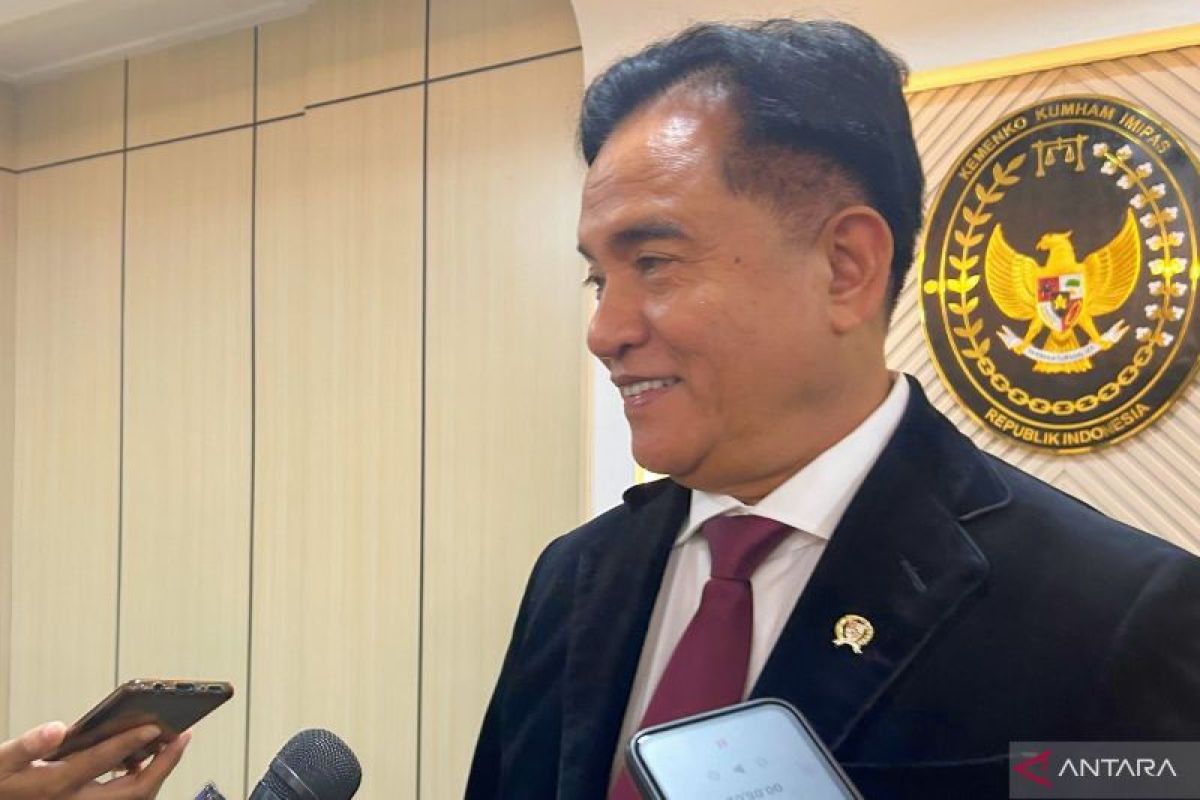
The Indonesian government has begun developing a bill aimed at countering disinformation and foreign propaganda targeting the country, according to Coordinating Minister for Law, Human Rights, Immigration, and Corrections Yusril Ihza Mahendra.
Speaking to reporters on Wednesday, Mahendra highlighted ongoing concerns about external parties spreading misleading information about Indonesia’s national developments and interests, which he said is being used as propaganda to undermine the country.
“This is not only in the political sphere, but also in the economic sphere, especially related to competition,” Mahendra explained, pointing to what he described as a coordinated effort to damage Indonesia’s reputation.
The bill, currently titled “Countering Disinformation and Foreign Propaganda,” remains in early stages of development with no official draft yet available. President Prabowo Subianto has instructed Mahendra and Minister of Law Supratman Andi Agtas to begin formulating the legislation’s framework and approach.
Mahendra noted that Indonesia is following the lead of many other nations that have already implemented similar protective measures against foreign disinformation campaigns. These laws, now common in various countries, are designed to shield national interests from targeted misinformation.
Economic protection appears to be a significant motivation behind the proposed legislation. Mahendra specifically cited campaigns that disparage Indonesian products, mentioning claims about domestic coconut oil being unhealthy as an example of propaganda aimed at harming Indonesia’s economic competitiveness.
“This also applies to other products. But in reality, this is an attempt to counter propaganda or false information, with the real goal being unfair economic competition,” he said.
The proposed legislation comes amid growing global concerns about information warfare and its potential to destabilize economies and political systems. Many countries have implemented or strengthened regulations to combat foreign influence operations in recent years, particularly as social media and digital communications have made cross-border information flows more difficult to monitor and regulate.
The bill was formally incorporated into Indonesia’s legislative agenda during the 10th Plenary Session of the Indonesian House of Representatives (DPR RI) on December 8, 2025. At that session, lawmakers approved changes to the National Legislation Program (Prolegnas) for 2026, which now includes 64 priority bills and five open cumulative bills. The disinformation bill is among 199 pieces of legislation included in the Second Amendment Prolegnas for the 2025-2029 medium-term period.
The move reflects Indonesia’s growing concerns about information security in the digital age. The Southeast Asian nation has previously struggled with disinformation campaigns affecting various sectors, from politics to public health. During the COVID-19 pandemic, for instance, Indonesia confronted significant challenges with health misinformation that hampered vaccination efforts.
Information security experts note that countries with large, diverse populations like Indonesia are particularly vulnerable to targeted disinformation campaigns. With over 275 million citizens spread across thousands of islands and multiple languages, information verification becomes exceptionally challenging.
The legislation represents part of a broader effort to strengthen Indonesia’s digital resilience. The government has also been developing artificial intelligence ethics guidelines to address disinformation and has promoted digital literacy programs in educational institutions.
As Indonesia continues to emerge as an economic power in Southeast Asia, officials argue that protecting its information space has become a matter of national security and economic sovereignty, particularly as international competition for markets and resources intensifies throughout the region.
Fact Checker
Verify the accuracy of this article using The Disinformation Commission analysis and real-time sources.

10 Comments
This is an important issue, especially with increasing geopolitical tensions. Curious to see what specific measures Indonesia plans to implement and how they’ll ensure the legislation doesn’t stifle legitimate debate.
Addressing foreign propaganda is a growing challenge worldwide. Indonesia’s effort is understandable, but the approach must balance national security with upholding democratic principles of open discourse.
Indonesia is right to be concerned about foreign interference and disinformation campaigns. But the proposed legislation will need robust safeguards to protect free expression while targeting malicious propaganda.
Agreed. The details will be crucial – vague or overly broad laws could easily backfire and do more harm than good.
Combating foreign propaganda is a growing challenge for many countries. Glad to see Indonesia taking action, but the approach will need to be carefully considered to avoid censorship concerns.
Well-said. Transparency and public consultation in the legislative process will be key to building trust and ensuring a balanced approach.
Interesting move by Indonesia to combat disinformation and foreign influence. Curious to see how they define and target ‘propaganda’ without infringing on legitimate journalistic and civil society activities.
Well said. Careful legislative drafting and robust public consultation will be essential to getting this right.
Interesting to see Indonesia taking steps to address foreign disinformation and propaganda. Protecting national interests and reputation is important, but drafting effective legislation that doesn’t infringe on free speech will be crucial.
Agreed, it’s a delicate balance. Curious to see the details of the proposed legislation and how they plan to define and address ‘disinformation’ without overreach.