


Listen to the article
Trial Lawyers Clash with Hochul Over Car Insurance Reform Proposal
Trial lawyers across New York are strongly opposing Governor Kathy Hochul’s latest proposal to reduce car insurance premiums, characterizing it as a deceptive measure that would primarily benefit insurance companies while harming accident victims.
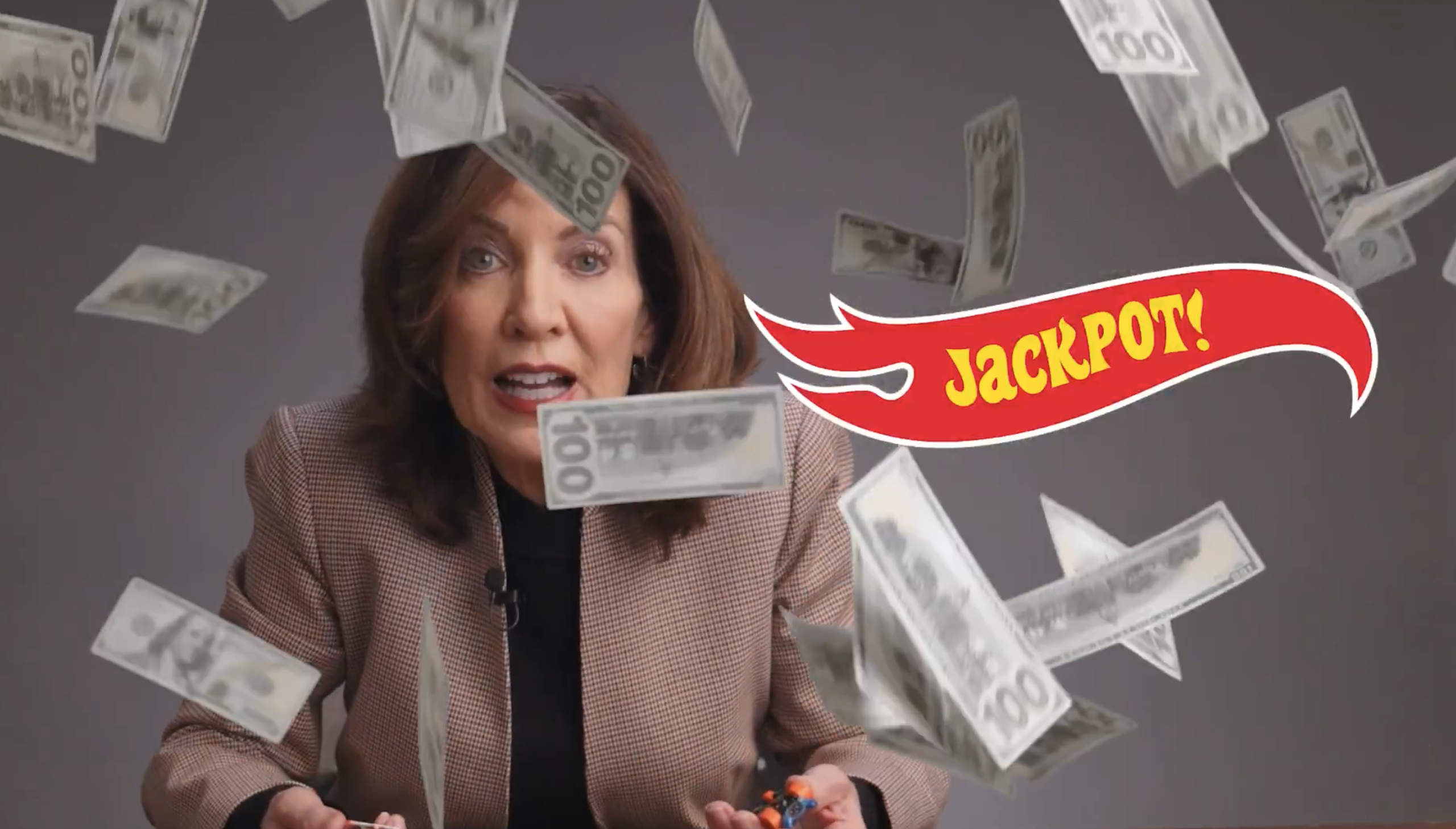
The controversy erupted Friday when Hochul’s office released a video on social media promoting her insurance reform plan. Attorneys who specialize in representing crash victims immediately criticized the message, calling it misleading and one-sided.
“This is a deeply disingenuous video,” wrote lawyer Peter Beadle on X (formerly Twitter). “The governor’s actual proposals go well beyond what she says here and will significantly impact your ability to be compensated fairly by a negligent driver if you are hit.”
At the heart of the dispute is Hochul’s proposal to fundamentally change how victims of car crashes are compensated for their injuries. Under the current system, victims can sue drivers, and juries allocate compensation based on their determination of each party’s level of fault. If a jury finds one driver 75 percent responsible for a crash, the victim would receive a payout reflecting that portion of blame.
Hochul’s proposal would implement what critics call a harsh threshold: victims could receive no compensation if found to be 51 percent or more responsible for the crash. This change would represent a significant departure from New York’s current comparative negligence standard.
“If you are in a crash and there is fault to be shared, currently the jury determines each party’s fault and your recovery is reduced by your part of the blame,” Beadle explained. “The governor proposes to change our system so that if you are 51 percent at fault, the person who was 49 percent at fault in causing your injuries walks away and pays nothing.”
Attorney Adam White expressed stronger criticism: “Why is Hochul acting as a shill for the insurance industry using their well-worn message that fraud is rampant and most folks claiming injuries from negligent drivers are likely committing fraud? Her message is itself a fraud.”
The legal community has pointed to powerful corporate interests behind the governor’s proposal. Attorney Daniel Flanzig characterized the initiative as “a ruse funded by Big Tech and Uber to protect their pockets,” adding that “no one is arguing that fraud doesn’t exist… but auto insurance fraud pales in comparison to Medicare and Medicaid fraud.”
Flanzig questioned whether insurance companies or Uber would guarantee rate reductions in writing, suggesting that “in the end, it’s thousands of injured New Yorkers who will pay the price by not receiving just compensation, with the cost of their medical bills being shifted away from insurance companies and onto taxpayers.”
Previous reporting by Streetsblog indicated that an initial set of questions sent to the governor’s office received responses that appeared to be talking points directly supplied by Uber, raising questions about outside influence on the policy.
The governor’s office has pushed back against these criticisms. Spokesman Sean Butler dismissed the attorneys as “ambulance-chasing trial lawyers and their army of well-paid lobbyists” who are “desperate to keep New Yorkers’ rates high and their pockets lined.” Butler defended the governor’s proposal, saying the current system “rewards dangerous driving and fraudulent claims” and that Hochul’s plan would provide relief for New Yorkers.
Butler claimed the proposal would reduce insurance rates by approximately 8 percent, or $300 per year, though critics question these figures. According to Bankrate, a financial services industry publication, most New Yorkers pay significantly less for auto insurance than the $4,000 annual amount that would be implied by Butler’s projected savings. For state minimum coverage, New Yorkers pay an average of $148 per month, or $1,776 annually.
The Center for Justice & Democracy, a unit at New York Law School, disputes the notion that insurance companies need financial relief. The Center reports that “the profits of these companies have ballooned to unprecedented levels” due to “massive investment income and underwriting profits caused by the unrestrained price-gouging of policyholders.”
According to S&P Market Intelligence, the U.S. property/casualty insurance industry recently experienced “its best quarter in at least a quarter of a century — and maybe longer.”
As the debate continues, the outcome remains uncertain. What is clear is that the proposed changes to New York’s insurance laws would have significant consequences for accident victims and potentially reshape how compensation is determined in the aftermath of vehicle crashes.
Fact Checker
Verify the accuracy of this article using The Disinformation Commission analysis and real-time sources.

8 Comments
Car insurance is a complex issue with many stakeholders. I hope the debate can move beyond political posturing and focus on finding a balanced, fair solution for all New Yorkers.
The governor’s video does seem to paint a one-sided picture. As an affected driver, I’d want to know the full details and potential consequences of these insurance reforms before forming an opinion.
It’s concerning if the governor is downplaying the impacts on accident victims. Transparency and open dialogue are crucial for legislative changes of this magnitude.
Interesting that trial lawyers are pushing back so strongly. I wonder what their specific concerns are about the proposed changes and how they would impact accident compensation.
Yes, I’d like to hear more from the lawyers on their objections. Their perspective as advocates for victims seems relevant to evaluating the merits of the governor’s plan.
Reducing insurance premiums is a laudable goal, but not at the expense of accident victims’ ability to seek fair compensation. The details of this proposal merit close scrutiny.
This seems like a politically charged issue. I’d like to see both sides present their arguments objectively so I can form my own opinion. Misleading propaganda from either side is unhelpful.
Agreed, we need a balanced and factual debate on this policy proposal, not partisan rhetoric. The public deserves to understand the real implications.