


Listen to the article
Chef to Culinary Empire: Gordon Ramsay’s New Netflix Series Reveals His Business Ambitions
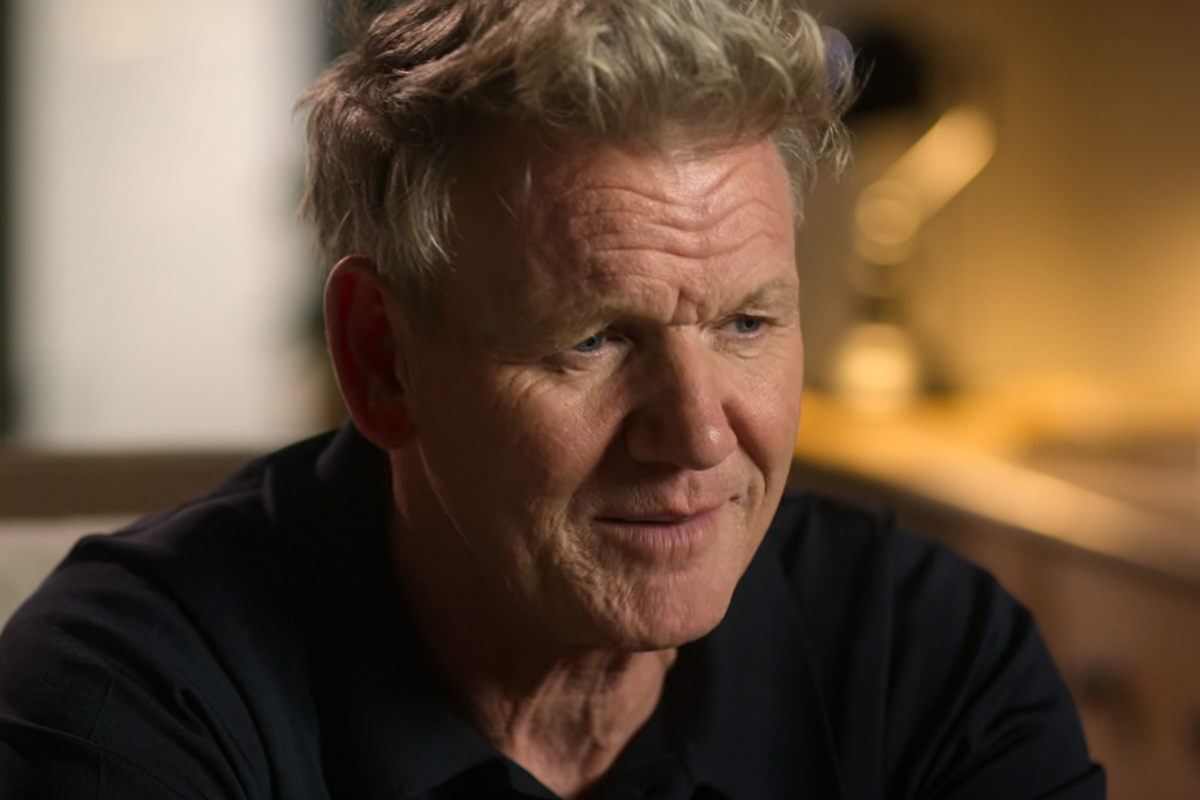
Gordon Ramsay, the chef who captivated audiences during COVID lockdowns with his no-holds-barred approach on “Kitchen Nightmares,” has returned to screens with “Being Gordon Ramsay,” a new Netflix documentary series. But viewers expecting the same critical eye Ramsay turned on struggling restaurants may be disappointed by this glossier, more controlled portrayal of his own business ventures.
The series follows Ramsay as he embarks on what his wife Tana describes as “the biggest thing you’ve done to date” — a massive 20-year lease atop London’s 22 Bishopsgate skyscraper. The space houses four ambitious projects: Gordon Ramsay High (a spinoff of his three-Michelin-starred flagship), Lucky Cat (relocated from Mayfair), Bread Street Kitchen, and a culinary school.
“The whole sector is struggling,” Ramsay explains, positioning his investment as a vote of confidence in a hospitality industry facing difficult times. Yet with a reported £20 million ($25 million) invested, the series simultaneously serves as a promotional vehicle for these new establishments.
Ramsay’s journey from serious chef to television personality to global culinary tycoon is on full display. The documentary follows him between London, Las Vegas, Miami and Manila, showcasing his interactions with celebrities and Formula One personalities, and the deference he receives from fellow chefs and restaurateurs.
While the series acknowledges minor setbacks during the launch process — guests stealing decorative items, equipment failures, and even a collapsed banquette during testing — it noticeably avoids deeper scrutiny. The delayed opening of the Bread Street Kitchen portion of the project, for instance, receives only passing mention, sacrificing potential drama for a more polished narrative.
This sanitized approach represents a missed opportunity. Ramsay built his television reputation on brutal honesty and uncompromising standards. However, “Being Gordon Ramsay” sidesteps potentially fascinating subjects like his longstanding rivalry with fellow chef Marco Pierre White or his decision to expand his family with two more children in recent years — his son Oscar, now six, and two-year-old Jesse, arriving 18 years after daughter Tilly.
The documentary joins Netflix’s growing catalog of celebrity-approved biographical content like “Beckham” and “With Love, Meghan,” where subjects maintain significant creative control. Critics note this approach results in content that, while visually appealing, lacks substantive insight.
For Ramsay, who emerged from humble Scottish beginnings to become one of Britain’s most recognized television exports, this polished presentation represents a continuation of his brand’s evolution. Just as the documentary shows his child wearing Inter Miami colors despite Ramsay’s lifelong support of Glasgow Rangers, some viewers may find the chef himself increasingly commercialized and “Americanized” compared to his earlier, more authentic television persona.
Industry observers point out that Ramsay’s expansion comes at a challenging time for high-end dining, with rising costs and changing consumer habits forcing many established restaurants to close. The chef’s celebrity status and diversified business model may provide insulation from these pressures, though the documentary offers little insight into these broader industry challenges.
Ultimately, “Being Gordon Ramsay” delivers appealing food visuals and glimpses into the celebrity chef’s lifestyle, but fails to apply the critical lens that made his earlier television work so compelling. For a chef who built his reputation on demanding excellence from others, the documentary represents a missed opportunity to turn that same unflinching scrutiny on himself.
Fact Checker
Verify the accuracy of this article using The Disinformation Commission analysis and real-time sources.

32 Comments
Nice to see insider buying—usually a good signal in this space.
Good point. Watching costs and grades closely.
Exploration results look promising, but permitting will be the key risk.
Good point. Watching costs and grades closely.
Good point. Watching costs and grades closely.
Nice to see insider buying—usually a good signal in this space.
Production mix shifting toward Propaganda might help margins if metals stay firm.
Good point. Watching costs and grades closely.
Good point. Watching costs and grades closely.
The cost guidance is better than expected. If they deliver, the stock could rerate.
Good point. Watching costs and grades closely.
Good point. Watching costs and grades closely.
Interesting update on Gordon Ramsay Documentary Falls Short, Lacks Depth Beyond Polished Image. Curious how the grades will trend next quarter.
Good point. Watching costs and grades closely.
Good point. Watching costs and grades closely.
Interesting update on Gordon Ramsay Documentary Falls Short, Lacks Depth Beyond Polished Image. Curious how the grades will trend next quarter.
Good point. Watching costs and grades closely.
I like the balance sheet here—less leverage than peers.
Uranium names keep pushing higher—supply still tight into 2026.
Good point. Watching costs and grades closely.
Uranium names keep pushing higher—supply still tight into 2026.
Production mix shifting toward Propaganda might help margins if metals stay firm.
Good point. Watching costs and grades closely.
Good point. Watching costs and grades closely.
Nice to see insider buying—usually a good signal in this space.
Good point. Watching costs and grades closely.
Good point. Watching costs and grades closely.
The cost guidance is better than expected. If they deliver, the stock could rerate.
Good point. Watching costs and grades closely.
Exploration results look promising, but permitting will be the key risk.
Good point. Watching costs and grades closely.
Good point. Watching costs and grades closely.