


Listen to the article
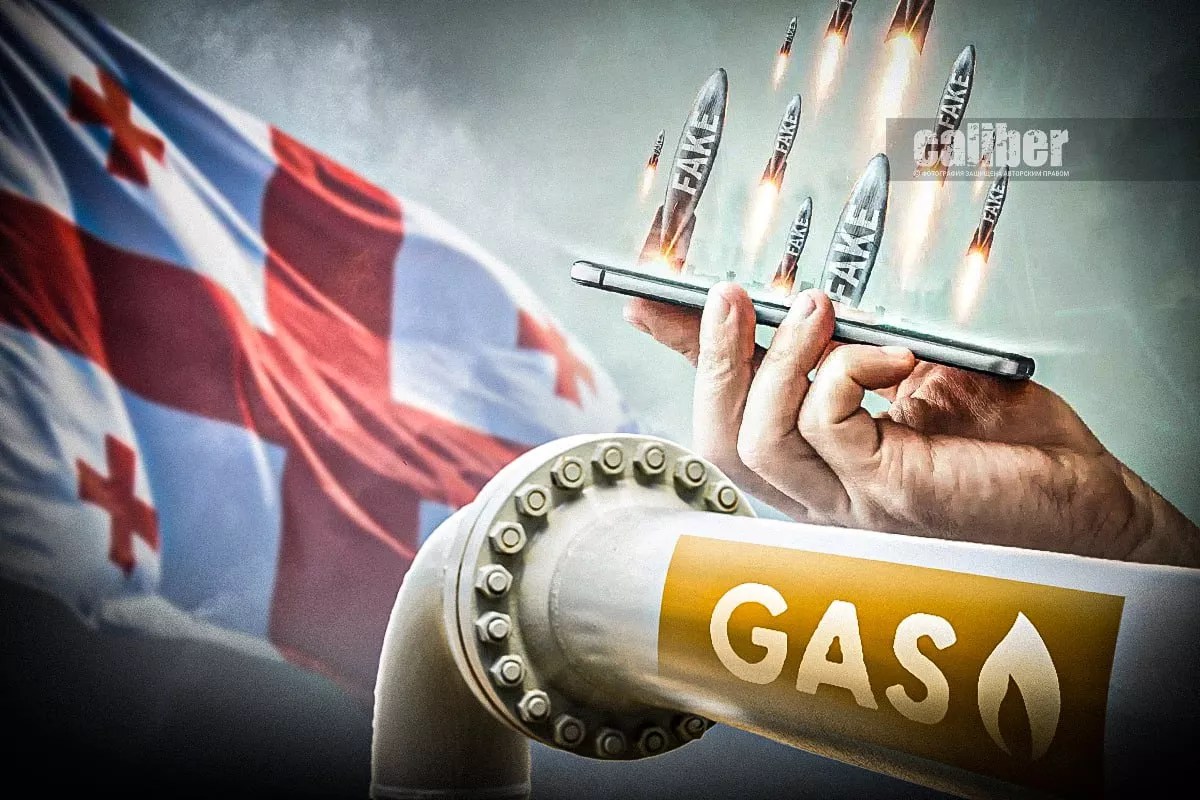
Georgia finds itself embroiled in a complex political controversy over Russian gas imports, as accusations of “fake news” and propaganda fly between government officials and opposition leaders ahead of crucial parliamentary elections scheduled for October.
The controversy ignited when opposition politicians claimed that Georgia had resumed direct imports of Russian gas, challenging the government’s longstanding position that the country receives Azerbaijani gas through its partnership with SOCAR. Prime Minister Irakli Kobakhidze dismissed these allegations as “fake news” during a press conference, insisting that Georgia continues to receive gas exclusively from Azerbaijan.
“No changes have occurred in our gas supply arrangements,” Kobakhidze stated firmly. “Georgia receives gas only from Azerbaijan, and any claims to the contrary are deliberate misinformation designed to create political instability.”
The dispute highlights the strategic importance of Georgia’s energy partnerships in the South Caucasus region. Since 2006, Azerbaijan has served as Georgia’s primary gas supplier through agreements with SOCAR, replacing Russian imports that were previously the country’s main source. This shift represented not only an economic decision but a geopolitical realignment following periods of tension with Russia.
Energy experts note that Georgia’s gas consumption has increased significantly over the past decade, with demand rising approximately 30% since 2015. This growth has made energy security a critical national concern and a politically sensitive topic.
The controversy deepened when opposition leader Elene Khoshtaria presented what she claimed was documentary evidence showing transactions between Georgian energy companies and Gazprom, Russia’s state gas corporation. “The government is deliberately misleading the public about our energy dependency,” Khoshtaria alleged at a press conference in Tbilisi. “These documents clearly show Russian gas flowing directly into Georgia again.”
Government officials countered by explaining that while Georgia does allow Russian gas to transit through its territory to Armenia, this transit operation does not mean Georgia itself consumes Russian gas. Minister of Economy and Sustainable Development Levan Davitashvili clarified that Georgia receives a portion of this transit gas as a fee, which constitutes approximately 10% of the volume passing through the country.
“This transit arrangement has been in place for years and does not represent a new policy direction,” Davitashvili explained. “The opposition is deliberately conflating transit operations with direct imports to create a false narrative.”
Energy independence from Russia has been a cornerstone of Georgian foreign policy for nearly two decades, especially following the 2008 Russo-Georgian War. The current administration, led by the Georgian Dream party, has faced increasing criticism from opposition groups who accuse it of gradually shifting toward Russian influence and away from Euro-Atlantic integration.
International observers note that the timing of this controversy is particularly significant, coming just months before parliamentary elections where Georgian Dream will face numerous opposition parties campaigning on platforms of stronger Western alignment.
The European Union, which granted Georgia candidate status in December 2023, has emphasized energy diversification as an important component of the country’s European integration path. Georgia’s energy security strategy aligns with broader EU objectives to reduce Russian energy leverage in the region.
Market analysts point out that Azerbaijan has emerged as a crucial alternative energy supplier for both Georgia and the broader European market. Through major infrastructure projects like the Southern Gas Corridor, Azerbaijan has positioned itself as a key player in reducing dependency on Russian energy resources.
Public opinion polling shows that Georgian citizens remain highly sensitive to issues involving Russia, with approximately 70% of respondents in recent surveys expressing concern about Russian influence in domestic affairs. Energy independence is viewed as directly connected to national sovereignty by many Georgians.
As the election approaches, both sides are likely to continue leveraging the gas supply issue as evidence of their respective commitments to Georgian sovereignty and economic stability. Independent energy experts have called for greater transparency in the country’s gas agreements to allow citizens to make informed judgments beyond political rhetoric.
The controversy underscores how energy policy in the South Caucasus remains inextricably linked to broader geopolitical alignments, with even technical aspects of gas supply becoming powerful symbols in national political discourse.
Fact Checker
Verify the accuracy of this article using The Disinformation Commission analysis and real-time sources.

6 Comments
This controversy highlights the complex geopolitics of energy in the South Caucasus. Georgia’s balancing act between Azerbaijan and Russia bears close watching, especially with elections on the horizon.
Georgia’s energy partnerships in the region are strategically important, so changes to its gas supply arrangements would be highly significant. I’ll be watching this story closely as more facts emerge.
This is a complex issue with high stakes for Georgia’s energy security and geopolitical positioning. It’s important to get the facts right and avoid falling for propaganda on either side.
Allegations of ‘fake news’ are concerning, as is the potential for this dispute to be exploited for political gain ahead of elections. Maintaining energy security should be the priority, not scoring partisan points.
The government’s insistence that Georgia only receives Azerbaijani gas seems reasonable, but I’d want to see independent verification before fully accepting their claims. Transparency is key here.
Agreed, we need impartial analysis to cut through the political spin from both sides. Reliable data sources will be crucial to understanding the true gas supply situation.