


Listen to the article
Film Directors Clash Over ‘The Kerala Story 2’ Content and Politics
Filmmaker Kamakhya Narayan Singh has issued a sharp rebuttal against director Anurag Kashyap following criticism of the upcoming film “The Kerala Story 2,” intensifying debate around the sequel’s content and political messaging.
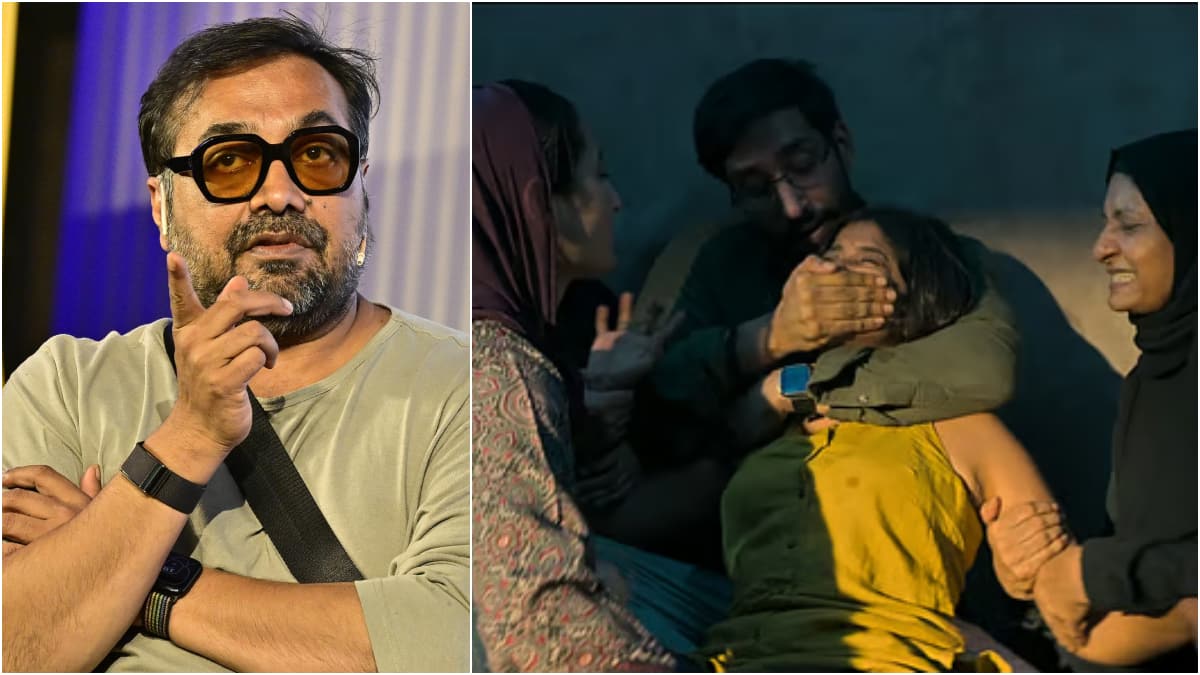
The controversy erupted when Kashyap, a prominent voice in India’s independent cinema, dismissed the film as “bull**** propaganda” during a media interaction. Kashyap specifically criticized a contentious scene depicting forced beef consumption, questioning its authenticity by stating, “Aisa kaun beef khilata hai? Aisa koi khichdi bhi nahi khilata hai” (Who feeds beef like this? Nobody feeds khichdi like this either).
Kashyap went further, alleging profit motives behind the film, describing its maker as “a greedy man” who intends to “divide people” through the content.
Singh, who helms the sequel, responded forcefully on social media, claiming that Kashyap has become “mentally weak” and has issues with “everything,” including Brahmins, Netflix, and the broader film industry. Defending the controversial scene, Singh maintained, “Hamari masoom betiyon ko beef khilaya jaa raha hai, yeh ek crime hai” (Our innocent daughters are being fed beef, this is a crime).
The beef-feeding scene has become the focal point of the controversy. Featured in the film’s trailer, the sequence shows a woman allegedly being force-fed beef. Critics including Kashyap have labeled it unrealistic and deliberately provocative, while the film’s supporters contend it highlights the reality of forced religious conversions and abuse, themes central to the franchise.
This polarizing visual has triggered intense online debates touching on creative freedom, religious sensitivity, and filmmakers’ social responsibility, particularly when addressing communally charged subjects in India’s diverse society.
“The Kerala Story 2: Goes Beyond,” produced by Vipul Amrutlal Shah and written by Amarnath Jha and Shah, is scheduled for theatrical release on February 27, 2026. The film continues the narrative established in its predecessor, which itself was surrounded by controversy upon its release.
The original “The Kerala Story,” released in 2023, generated significant debate for its portrayal of women from Kerala being recruited by the Islamic State. The film faced criticism from opposition parties and some state governments for allegedly promoting religious polarization, while supporters defended it as exposing uncomfortable truths.
This sequel aims to further explore themes of love, identity, and alleged forced conversions, positioning it once again at the center of India’s ongoing political and social discourse around religious freedom and extremism.
The clash between Singh and Kashyap represents the wider ideological divisions within India’s film industry. Kashyap has built a reputation for making politically charged, socially conscious cinema that often challenges established norms, while Singh and Shah appear to be positioning their work as exposing what they consider societal threats.
Film industry observers note that controversies often boost box office numbers, raising questions about whether the pre-release tension might ultimately benefit the film commercially regardless of its critical reception.
As the release date approaches, the controversy is likely to intensify scrutiny of the film’s content and its potential impact on communal harmony in a country where cinema remains a powerful medium for shaping public discourse.
Fact Checker
Verify the accuracy of this article using The Disinformation Commission analysis and real-time sources.

14 Comments
As an observer, I’m curious to see how this debate unfolds and whether the filmmakers can find common ground. Thoughtful, nuanced portrayals of complex issues are often more impactful than simplistic narratives.
It’s important that all voices are heard, even when there are disagreements, in order to have a constructive dialogue.
Filmmaking can be a powerful medium to explore difficult topics, but it requires a delicate balance. Both sides should strive for constructive dialogue to better understand each other’s perspectives.
Constructive criticism from respected voices in the industry can help improve the quality and impact of such films.
The debate around this film’s content highlights the delicate balance filmmakers must strike when addressing sensitive cultural and political issues. Prioritizing accuracy and nuance can help mitigate unintended harm.
While creative differences are understandable, resorting to personal attacks undermines the ability to have a constructive discussion on the substantive issues.
This dispute highlights the challenges of depicting sensitive cultural and religious practices on film. Fact-checking and cultural consultation could help ensure authenticity and avoid unintended offense.
Promoting mutual understanding through open and respectful discourse is key, rather than resorting to personal attacks.
This dispute underscores the need for filmmakers to approach controversial topics with care, cultural sensitivity, and a commitment to factual representation. Thoughtful, evidence-based portrayals are more likely to foster meaningful dialogue.
Maintaining civility and professionalism, even in the face of disagreement, can help elevate the quality of discourse around sensitive artistic works.
This controversy underscores the need for responsible filmmaking that avoids inflammatory rhetoric and sensationalism. A balanced, fact-based approach is more likely to foster meaningful societal dialogue.
Maintaining professionalism and focusing on the merits of the work, rather than personal attacks, would serve the industry and audience better.
This is a sensitive and controversial topic. While artistic expression is important, it’s crucial that filmmakers handle such charged subject matter with care and accuracy to avoid further polarization.
I agree, nuance and empathy are needed when depicting complex social and political issues on screen.