


Listen to the article
New legislation aimed at combating foreign influence in American media and public discourse has been introduced in Congress, seeking to enhance transparency requirements for foreign agents operating within the United States.
The Foreign Propaganda Transparency Act (H.R. 8155), introduced on March 27, 2026, proposes significant amendments to the Foreign Agents Registration Act of 1938, a law that has governed foreign influence operations for nearly nine decades. The bill currently has three cosponsors and represents the latest effort by lawmakers to address growing concerns about covert foreign influence campaigns targeting American audiences.
At its core, the legislation would require individuals and organizations representing foreign interests to include clear disclosures in their communications and informational materials. These mandatory disclosures would specifically detail the nature and extent of foreign influence, making explicit whether the content is supervised, directed, owned, controlled, financed, or subsidized by foreign governments.
The bill introduces the concept of “covered nations,” establishing a framework for identifying and regulating entities from countries that pose particular concerns regarding information operations within the United States. This provision appears designed to create a tiered approach to oversight, potentially focusing enhanced scrutiny on nations with established histories of influence operations.
Political analysts note that this legislation comes amid heightened concerns about information warfare and propaganda, particularly as digital platforms have made it easier for foreign actors to reach American audiences without revealing their true identities or motivations. Several high-profile investigations in recent years have revealed sophisticated influence operations conducted by foreign governments aimed at shaping public opinion and political discourse in the United States.
“The public has a right to know when they’re consuming content that originates from or is influenced by foreign governments,” said one congressional staffer familiar with the legislation, speaking on condition of anonymity. “This bill simply creates transparency so Americans can make informed decisions about the information they receive.”
Critics of the bill, however, have raised concerns about potential implementation challenges and unintended consequences for legitimate international media organizations and cultural exchange programs.
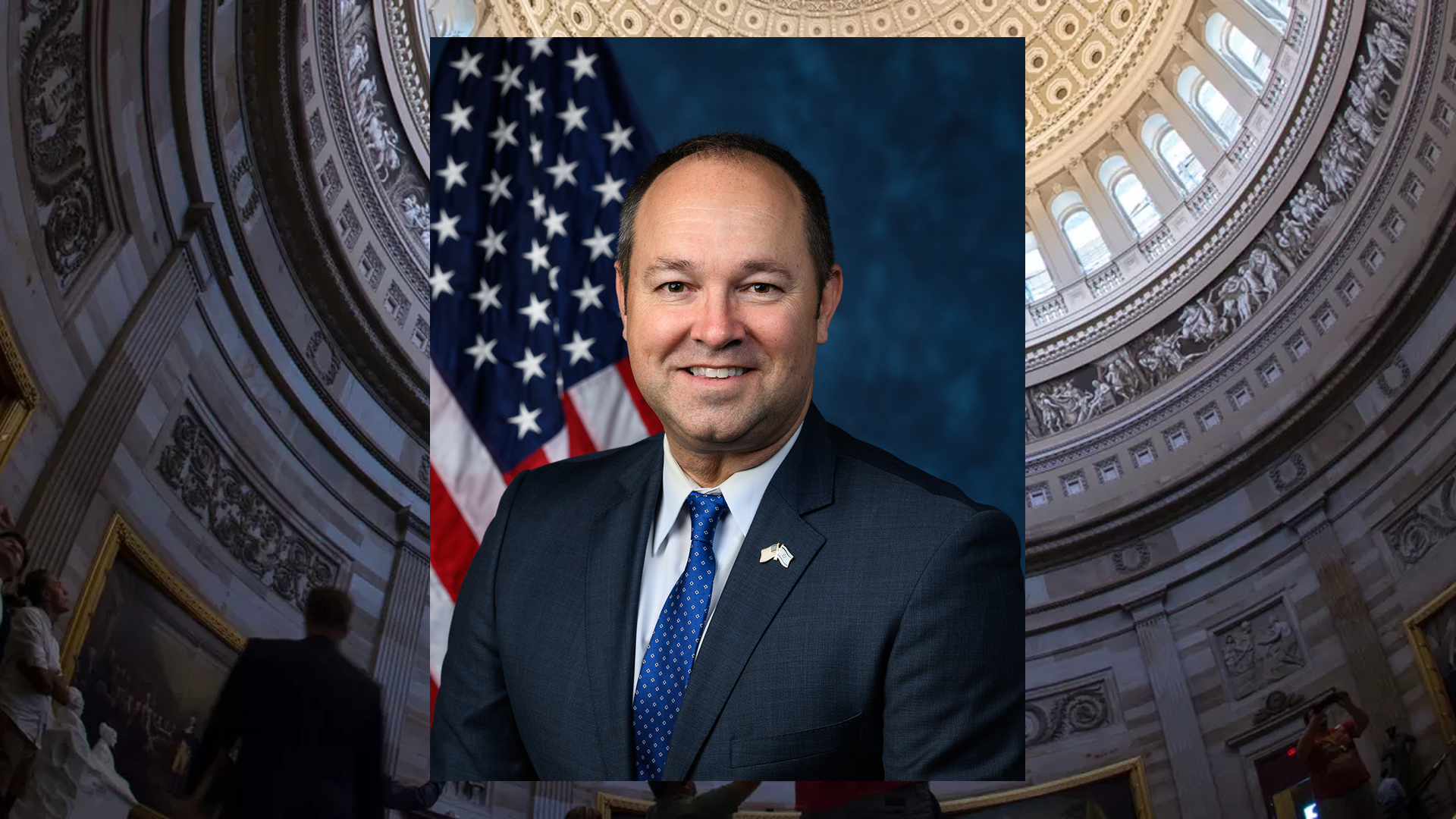
Representative Marlin A. Stutzman, the bill’s primary sponsor, has been increasingly focused on issues of national security and foreign influence. H.R. 8155 joins his growing portfolio of legislative proposals, which includes the American Families First Act, the Chemical Abortion Risk Awareness Act, and the Nigeria Religious Freedom Accountability Act of 2025.
Stutzman, who currently ranks as the 29th wealthiest member of Congress with an estimated net worth of $54.4 million according to Quiver Quantitative’s analysis, has also recently introduced legislation related to banking regulations and financial services. This includes a bill requiring the Federal Deposit Insurance Corporation and the National Credit Union Administration to analyze whether insurance coverage should be increased on certain transaction accounts.
The Foreign Propaganda Transparency Act will now move through the committee process, where lawmakers will debate its provisions and potentially make amendments before any floor consideration. Media industry observers and national security experts are likely to watch its progress closely, as it represents one of the most significant proposed updates to foreign agent regulations in recent years.
The bill’s emphasis on disclosure requirements reflects a growing bipartisan consensus that transparency, rather than content restriction, represents the most constitutionally sound approach to addressing foreign influence operations while preserving First Amendment protections.
Fact Checker
Verify the accuracy of this article using The Disinformation Commission analysis and real-time sources.

14 Comments
This seems like an important piece of legislation, but the details will be critical. I hope lawmakers can find an effective way to increase transparency without unduly restricting legitimate speech.
As someone with a professional interest in the mining and energy sectors, I’ll be closely following how this new transparency act impacts the information I rely on. Credible sources are essential.
This is an interesting development, but I have some concerns about potential overreach or unintended consequences. The balance between transparency and free speech needs to be carefully considered.
That’s a fair point. Striking the right balance will be crucial as this legislation takes shape.
This is an important issue, and I’m glad to see lawmakers taking action. However, the implementation details will be critical. I hope they can strike the right balance between transparency and free speech.
While I support efforts to combat foreign propaganda, I have some concerns about potential unintended consequences of this bill. Ensuring it doesn’t infringe on free expression will be crucial.
As an investor in mining and commodities, I’ll be watching how this affects the information landscape around those sectors. Ensuring factual, unbiased reporting is important for making informed decisions.
Curbing foreign influence in American media is a worthy goal, but the devil will be in the details. I’ll be watching to see how this bill evolves and what its real-world impacts are.
I’m curious to see how this legislation is implemented and whether it will be effective at curbing foreign propaganda. Transparency is key, but enforcement and public awareness will also be critical.
Anything that can help combat foreign disinformation campaigns is a positive step in my view. I hope this bill gains traction and leads to meaningful improvements in media integrity.
As an investor in mining and energy, I’m interested to see how this transparency act might impact the flow of information in those sectors. Factual, unbiased reporting is essential for making sound decisions.
This new transparency act seems like a sensible step to address foreign influence campaigns. It’s important for the public to have clear information about the origins of media content and advocacy efforts.
Enhancing transparency around foreign influence operations is a worthy goal, but the specifics of this bill will be key. I’ll be watching closely to see how it unfolds and what its real-world impacts are.
This is an interesting development, and I’m curious to see how it plays out. Combating foreign propaganda is important, but the details will be crucial in ensuring it’s done effectively and without unintended consequences.