


Listen to the article
A team of researchers at Clemson University has identified a sophisticated Iranian influence operation targeting American audiences with anti-Israel and anti-U.S. messaging across social media platforms.
The university’s Media Forensics Hub, known for its work analyzing disinformation campaigns, revealed that the operation appears to be connected to Iran’s Islamic Revolutionary Guard Corps (IRGC), a powerful branch of the Iranian military designated as a foreign terrorist organization by the United States in 2019.
According to the researchers, the campaign employs networks of fake social media accounts to disseminate propaganda designed to shape American public opinion on Middle East issues, particularly regarding Israel and U.S. foreign policy in the region.
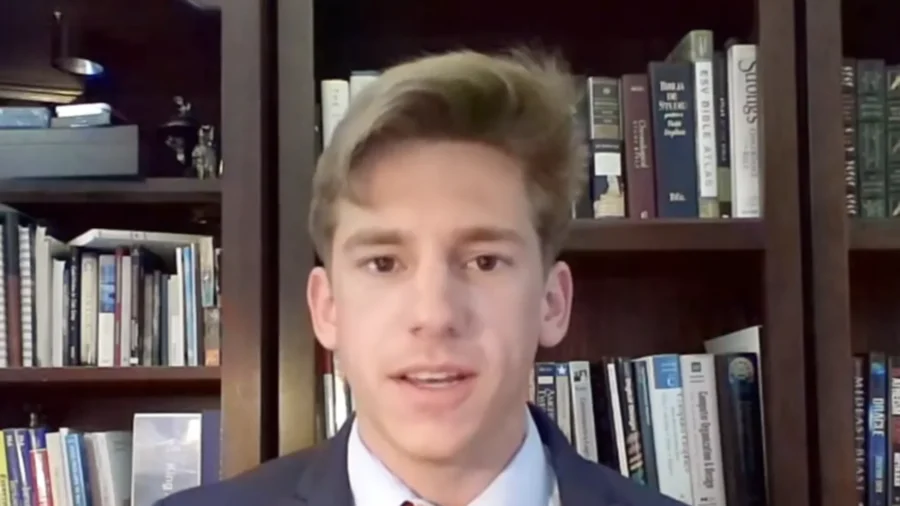
In an interview with NTD, Will Biagini, Assistant Editor of Campus Reform, discussed the implications of the findings. “This operation shows the evolving sophistication of foreign influence campaigns targeting American audiences,” Biagini explained. “The accounts were created to appear authentic to U.S. users, often mimicking ordinary Americans with carefully crafted personas.”
The IRGC has a documented history of conducting information operations abroad. This latest campaign represents an escalation in their digital influence efforts, particularly as tensions in the Middle East have intensified following the Israel-Hamas conflict that began in October 2023.
The Clemson investigation revealed that these fake accounts frequently amplify content that portrays U.S. policies as imperialistic and frames Israel in a negative light, while simultaneously promoting Iranian government positions. The operation appears designed to exploit existing divisions within American society around foreign policy issues.
Social media companies have struggled to combat such influence operations, which have become increasingly sophisticated in recent years. The fake accounts identified by Clemson researchers often maintained a presence across multiple platforms, including Twitter (now X), Facebook, Instagram, and TikTok, creating an appearance of legitimacy through cross-platform consistency.
“What makes these operations particularly concerning is their potential to reach Americans who may not realize they’re consuming propaganda from a foreign military organization,” Biagini noted during the interview. “The content is often packaged to appear as grassroots American political commentary.”
The Clemson Media Forensics Hub has previously identified foreign influence campaigns from various countries, including Russia and China. Their methodologies involve analyzing digital fingerprints, posting patterns, linguistic markers, and network connections to identify coordinated inauthentic behavior.
This revelation comes at a time of heightened concern about foreign interference in U.S. public discourse, particularly as the country approaches another presidential election cycle. Intelligence officials have repeatedly warned about the threat of foreign influence operations targeting American voters.
The IRGC, which operates both as a military organization and through various economic and media enterprises, has expanded its information warfare capabilities significantly in recent years. The organization maintains close ties with proxy groups throughout the Middle East and has been implicated in numerous cyber operations against Western targets.
U.S. officials have not yet publicly commented on Clemson’s specific findings, though government agencies have previously warned about Iranian influence operations targeting American audiences.
Social media companies have policies against coordinated inauthentic behavior and foreign government interference, but detecting and removing sophisticated networks remains challenging. When contacted about these findings, major platforms typically respond that they are continuously working to identify and remove such operations.
Media literacy experts recommend that social media users maintain a healthy skepticism about political content online, particularly when it comes from unfamiliar sources or presents extreme viewpoints on contentious foreign policy issues.
The Clemson researchers plan to publish a more comprehensive report on their findings in the coming weeks, which may provide additional details about the scale and specific targeting strategies employed in this influence operation.
Fact Checker
Verify the accuracy of this article using The Disinformation Commission analysis and real-time sources.

22 Comments
The Iranian regime’s use of social media to spread anti-Israel and anti-U.S. messaging is deeply concerning. We must strengthen our defenses against such foreign interference in our domestic affairs.
Agreed. Preserving the integrity of our democratic processes should be a top priority.
This report underscores the need for greater media literacy and critical thinking skills among the public. We must empower citizens to recognize and resist foreign-backed propaganda.
Well said. Educating the public on disinformation tactics is essential for building resilience against these threats.
This report highlights the need for continued vigilance and a comprehensive strategy to counter foreign disinformation campaigns targeting American audiences. We must remain steadfast in defending our values and interests.
Well said. Protecting our democratic institutions and public discourse from malign influence is essential for our national security.
This report highlights the evolving sophistication of disinformation efforts targeting American audiences. We must continue to strengthen our defenses against foreign interference in our democratic processes.
Agreed. Upholding the integrity of our public discourse is essential for a healthy democracy.
The Iranian regime’s use of social media to shape American public opinion on Israel and U.S. foreign policy is deeply troubling. We must remain vigilant and work to expose these deceptive influence operations.
Agreed. Protecting the integrity of our discourse is critical to maintaining a well-informed citizenry and strong democratic institutions.
This report underscores the evolving threat of foreign-backed disinformation campaigns targeting the United States. We must remain vigilant and strengthen our collective defenses against such malign influence operations.
Well said. Protecting the integrity of our public discourse is essential for the health and resilience of our democracy.
Concerning to see foreign actors spreading divisive propaganda on social media. We need to be vigilant about online influence campaigns that seek to sow discord and manipulate public opinion.
Absolutely. It’s crucial that we stay informed and think critically about the information we encounter online.
The Iranian regime’s sophisticated propaganda efforts on social media are deeply troubling. We must work to expose and counter these deceptive influence operations that seek to undermine American interests.
Absolutely. Maintaining an informed and resilient citizenry is crucial for safeguarding our democratic values and national security.
Sophisticated foreign propaganda campaigns targeting American audiences are a serious concern. We must continue to strengthen our defenses and empower citizens to identify and resist such manipulation.
Absolutely. Maintaining an informed and resilient public is essential for defending our democratic values and national interests.
This report highlights the evolving threat of foreign-backed disinformation campaigns. We must remain vigilant and work collaboratively to counter these malign influence operations on social media.
Well said. Protecting the integrity of our public discourse is crucial for the health of our democracy.
Iran’s IRGC engaging in such propaganda campaigns is deeply concerning. We need robust strategies to identify and counter these malign influence operations on social media platforms.
Absolutely. Vigilance and a coordinated response are crucial to protecting our national interests.