


Listen to the article
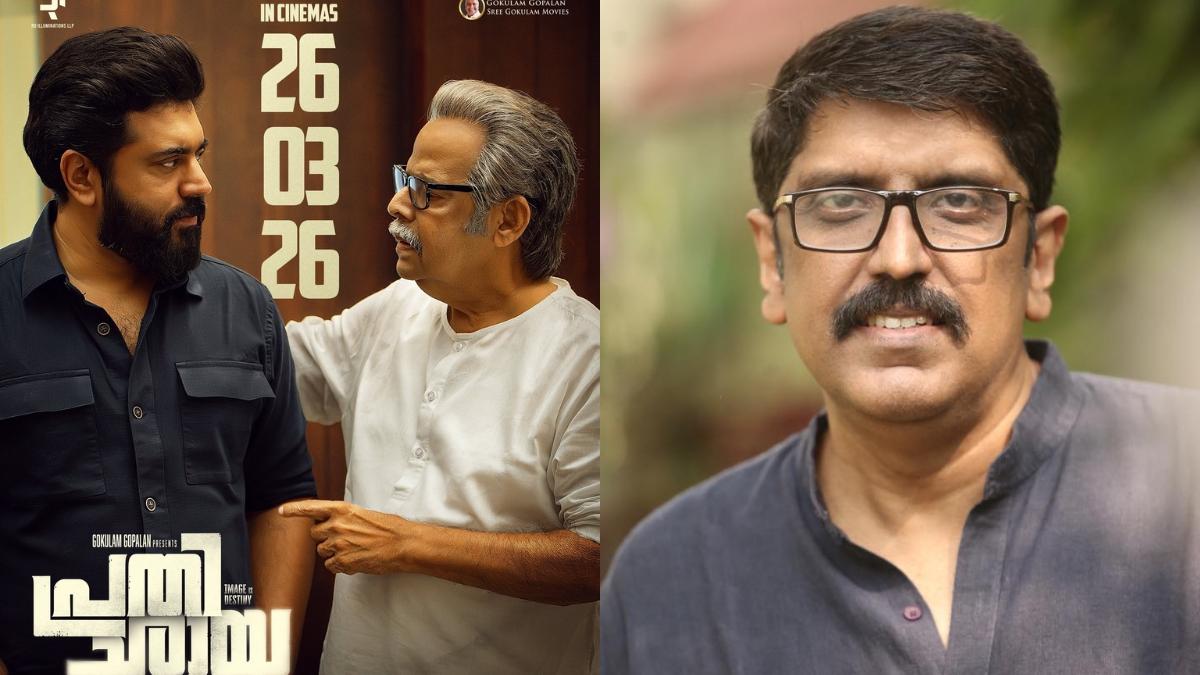
In a film industry increasingly navigating the complex waters between art and propaganda, noted Malayalam filmmaker B. Unnikrishnan has sparked debate with his candid observations on contemporary cinema’s political messaging. Ahead of his upcoming release “Prathichaya,” Unnikrishnan highlighted a significant shift in how filmmakers approach ideological content in their work.
“In the past, filmmakers might have felt guilty about making propaganda films, but now they are unabashed,” Unnikrishnan remarked in recent media interviews. His comments point to a broader transformation in the cinematic landscape where political messaging has become more overt and deliberate.
The veteran director acknowledged that all cinema inherently carries political undertones, whether intentionally or not. He elaborated that even films not explicitly political in nature often reflect certain ideologies or viewpoints that resonate with audiences. According to Unnikrishnan, the real artistic challenge lies in making potentially controversial ideas palatable and engaging for viewers.
This trend has been facilitated by audience evolution as well. Unnikrishnan noted that a growing segment of moviegoers actively seeks out and consumes such content, making propaganda-driven storytelling more commercially viable and socially accepted than in previous decades.
Despite these observations, Unnikrishnan clarified that his upcoming film “Prathichaya,” starring Nivin Pauly and Sharafudheen, should not be categorized as a political film in the traditional sense. Instead, he described it as an emotional drama that uses politics merely as a backdrop to explore interpersonal relationships, particularly the dynamic between a father and son.
Drawing comparisons to cinematic classics like “The Godfather” and “Thevar Magan,” Unnikrishnan emphasized that the heart of “Prathichaya” lies in human relationships rather than political messaging. The story examines how the public personas of politicians often overshadow their individual identities—a theme he considers particularly relevant in today’s media-saturated political landscape.
“Modern politics is increasingly shaped by digital narratives,” Unnikrishnan observed, noting that substantial spending in cyberspace now influences public perception and has reduced direct interaction between politicians and their constituents.
With “Prathichaya” set to release on March 26, just ahead of Kerala’s elections, questions have emerged about the timing and potential political leanings of the film. Unnikrishnan maintained that the release schedule is purely coincidental, explaining that the script was conceived years earlier and bears no intentional connection to current political events. He firmly denied that the film promotes any particular political ideology—a stance echoed by cast members as well.
The director’s remarks come at a time of heightened scrutiny of political themes in Indian cinema. His observations reflect a wider national conversation about the role and responsibility of films in shaping public opinion, particularly during politically sensitive periods.
Featuring a strong supporting cast that includes Ann Augustine and Balachandran Menon, “Prathichaya” is positioned to generate significant discussion among critics and audiences alike, given its themes and timing.
The film industry’s evolving relationship with political messaging mirrors broader changes in Indian society, where the boundaries between entertainment, art, and political discourse continue to blur in increasingly complex ways.
Fact Checker
Verify the accuracy of this article using The Disinformation Commission analysis and real-time sources.

18 Comments
I appreciate the filmmaker’s perspective on the challenge of making potentially controversial ideas palatable and engaging for viewers. That’s a skill that requires nuance and artistry.
Absolutely. Finding that balance between thought-provoking content and accessible storytelling is crucial for films that tackle complex political and social themes.
I’m curious to see how Unnikrishnan’s upcoming film ‘Prathichaya’ navigates this balance between art and propaganda. His comments suggest a nuanced understanding of the issue.
Absolutely. It will be interesting to see if the film can strike a balance and offer a thought-provoking perspective without veering into pure propaganda.
The filmmaker’s observations about the evolving attitudes towards propaganda in the industry are quite fascinating. It’s a complex issue that deserves further exploration.
Agreed. It will be interesting to see how this trend continues to unfold and how filmmakers respond to the changing expectations and sensibilities of audiences.
The filmmaker’s candid acknowledgment of the shift towards more overt political messaging in cinema is a fascinating insight into the industry’s changing dynamics.
Yes, it’s an interesting development that speaks to the broader sociopolitical climate and the evolving expectations of audiences.
The filmmaker makes a fair point about the inherent political nature of all cinema. It’s a reminder that even seemingly apolitical films can reflect certain ideological leanings.
That’s a good observation. It highlights the importance of critical analysis and understanding the underlying messages in any film, not just those with overt political themes.
This trend of more overt political messaging in films is certainly thought-provoking. I wonder how it impacts audience perceptions and the overall artistic integrity of the medium.
That’s a good point. There’s a risk of films becoming too heavy-handed with their agendas and losing the ability to engage and entertain audiences in a meaningful way.
This article raises some important questions about the evolving role of filmmakers and their responsibility in shaping political discourse through their work.
Agreed. It’s a delicate balance that requires thoughtful consideration from both filmmakers and audiences.
This article raises important questions about the role of cinema in shaping public discourse and the responsibility of filmmakers in navigating that space.
You’re right. It’s a delicate balance, and filmmakers need to be mindful of the impact their work can have on societal perceptions and debates.
Interesting perspective from the filmmaker on the increasing political messaging in cinema. It seems like a delicate balance between art and propaganda that filmmakers are navigating.
I agree, it’s a complex issue. Filmmakers have to be mindful of not crossing the line into blatant propaganda while still exploring relevant political and social themes.