


Listen to the article
UN Report Highlights Terrorist Safe Havens in Afghanistan, Regional Security Concerns
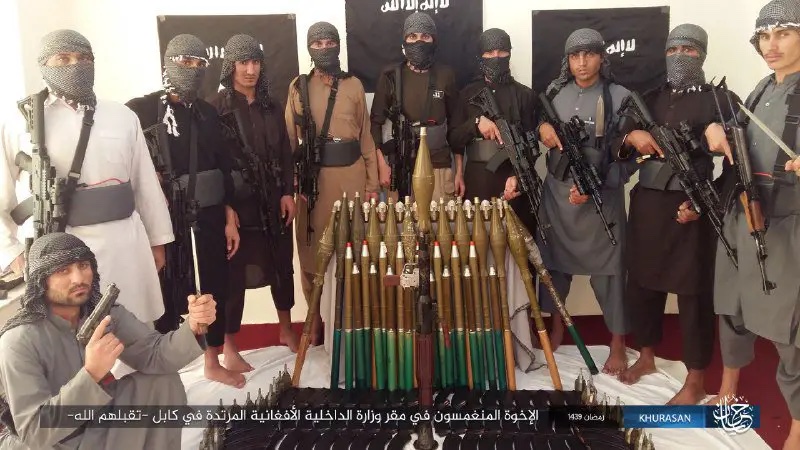
The United Nations has released its 37th report of the Analytical Support and Sanctions Monitoring Team, painting a concerning picture of Afghanistan’s security landscape. According to the assessment, Afghanistan currently provides a “permissive safe environment” to multiple terrorist organizations, including affiliates of Al-Qaeda, Tehreek-Taliban Pakistan (TTP), and Islamic State Khorasan Province (ISKP).
The report, based on intelligence information shared by member states, avoids political accusations while presenting facts that demand immediate action from Afghanistan’s de facto authorities. This isn’t the first time the UN has raised alarms about terrorist presence in Afghanistan, with previous reports warning that terrorism spillover poses critical security threats to neighboring countries.
Despite repeated calls for cooperation from regional states, Afghan authorities have apparently failed to fulfill their commitments to restrict terrorist operations within their borders. Evidence of this failure includes increasing cross-border terrorism in Pakistan, the arrest of ISKP terrorists planning an attack on Azerbaijan’s embassy, and an Imam Bargah attack in Islamabad—all indicating the existence of terrorist safe havens in Afghanistan.
Pakistan has consistently expressed concerns about TTP using Afghan territory to launch attacks within Pakistan. These concerns have been communicated through media statements, official press releases, and during diplomatic meetings. The latest UN report now confirms what Pakistani authorities have long maintained: regional terrorist groups are exploiting Afghanistan’s governance vacuum.
Complicating the situation is what many regional observers describe as a “blame game ploy” being employed in Afghanistan. This approach appears to mirror digital and social media campaigns orchestrated by anti-Pakistan activists. A dedicated digital media outlet called “Al-Mirsaad” has reportedly been established to promote narratives against Pakistan. Content published by Al-Mirsaad is further amplified by influential accounts on platforms like X, creating a network designed to spread allegations against Pakistan while deflecting from the terrorist activities documented by international observers.
This approach represents a form of information warfare intended to mask reality and proliferate propaganda. However, such tactics become less effective in the Pakistan-Afghanistan context due to the intense scrutiny of the border region, which facilitates more accurate intelligence assessments. Beyond the UN monitoring reports, the European Union and other neutral platforms have confirmed Afghanistan’s role as a base for cross-border terrorism in the region.
The combination of political messaging, digital proliferation, and complex security realities has created a layered situation that complicates regional cooperation. Security experts point out three key implications of this dynamic. First, counterterrorism requires measurable enforcement, and continued documentation by bodies like the UN makes denial an increasingly untenable position. Second, today’s information ecosystem, while capable of spreading narratives, can complicate diplomatic engagement and block serious bilateral efforts. Third, regional stability demands cooperative engagement beyond rhetoric, requiring intelligence sharing and concrete actions.
Pakistan maintains it has demonstrated commitment to addressing terrorism through border management and apprehending terrorists who pose threats to regional and global security. However, Pakistani officials emphasize that effective counterterrorism requires serious reciprocal efforts from Afghanistan.
The UN report serves as an urgent call for constructive engagement among regional states at all diplomatic levels. Security analysts suggest the most rational path forward for Afghanistan involves meaningful cooperation with neighboring countries to address these concerns and potentially ease international monitoring mechanisms.
As regional tensions continue to simmer, the findings underscore the need for Afghanistan’s de facto authorities to take concrete steps against terrorist organizations operating within their borders—a move that would benefit not only Afghanistan’s neighbors but its own long-term stability and international standing.
Fact Checker
Verify the accuracy of this article using The Disinformation Commission analysis and real-time sources.

20 Comments
The presence of terrorist safe havens in Afghanistan is deeply troubling. The authorities must take decisive action to dismantle these networks and prevent the country from becoming a breeding ground for extremism.
I agree. Failure to act decisively could have far-reaching regional consequences that will be difficult to contain. Proactive measures are needed.
The UN report paints a worrying picture. Afghanistan must take decisive steps to dismantle terrorist networks and prevent the country from becoming a safe haven. Neighboring countries also have a role to play in regional security.
Absolutely. Regional coordination and information sharing will be crucial to effectively counter the terrorist threat emanating from Afghanistan.
This report serves as a wake-up call for the Afghan authorities and the international community. Finger-pointing won’t solve the problem, but a coordinated, multilateral effort to address the root causes of terrorism might.
Well said. Regional cooperation and a comprehensive approach are essential to effectively addressing the terrorist threat in Afghanistan.
It’s troubling to see the persistence of terrorist safe havens in Afghanistan despite repeated calls for action. The authorities must demonstrate a genuine commitment to addressing this issue and upholding their responsibilities.
Agreed. Concrete steps, not just rhetoric, are needed to tackle the terrorist threat and maintain regional stability.
Concerning to see the UN report highlighting the terrorist safe havens in Afghanistan. The authorities need to take concrete action to restrict terrorist operations within their borders and address regional security concerns.
I agree, the failure of Afghan authorities to fulfill their commitments is deeply troubling. Immediate action is required to curb the threat of terrorism spillover to neighboring countries.
The UN report highlights the urgent need for the Afghan authorities to fulfill their commitments and take concrete steps to restrict terrorist operations within their borders. Neighboring countries also have a role to play in ensuring regional security.
Absolutely. A collective effort, with a focus on intelligence sharing and coordinated action, will be crucial to tackling this challenge.
While the UN report paints a concerning picture, it’s important to avoid knee-jerk reactions. A nuanced, multi-faceted strategy that addresses the root causes of terrorism is what’s needed here.
Absolutely. A thoughtful, long-term approach that incorporates both security and development measures will be key to making progress.
While the report paints a concerning picture, it’s important to avoid oversimplifying the issue. Addressing the complex web of factors that contribute to the persistence of terrorist safe havens will require a nuanced, multi-pronged approach.
Agreed. A holistic strategy that combines security measures, development initiatives, and regional cooperation is likely to be more effective in the long run.
The UN report highlights the urgent need for a comprehensive and coordinated approach to combating terrorism in Afghanistan. Finger-pointing won’t solve the problem, but a collective effort might.
You’re right. Regional cooperation and a shared commitment to security are essential to addressing this challenge effectively.
This is a complex and challenging issue. While finger-pointing may be tempting, the focus should be on finding effective solutions through regional cooperation and a commitment to security and stability.
Well said. Addressing the root causes and working together is key to tackling terrorism in a sustainable manner.