


Listen to the article
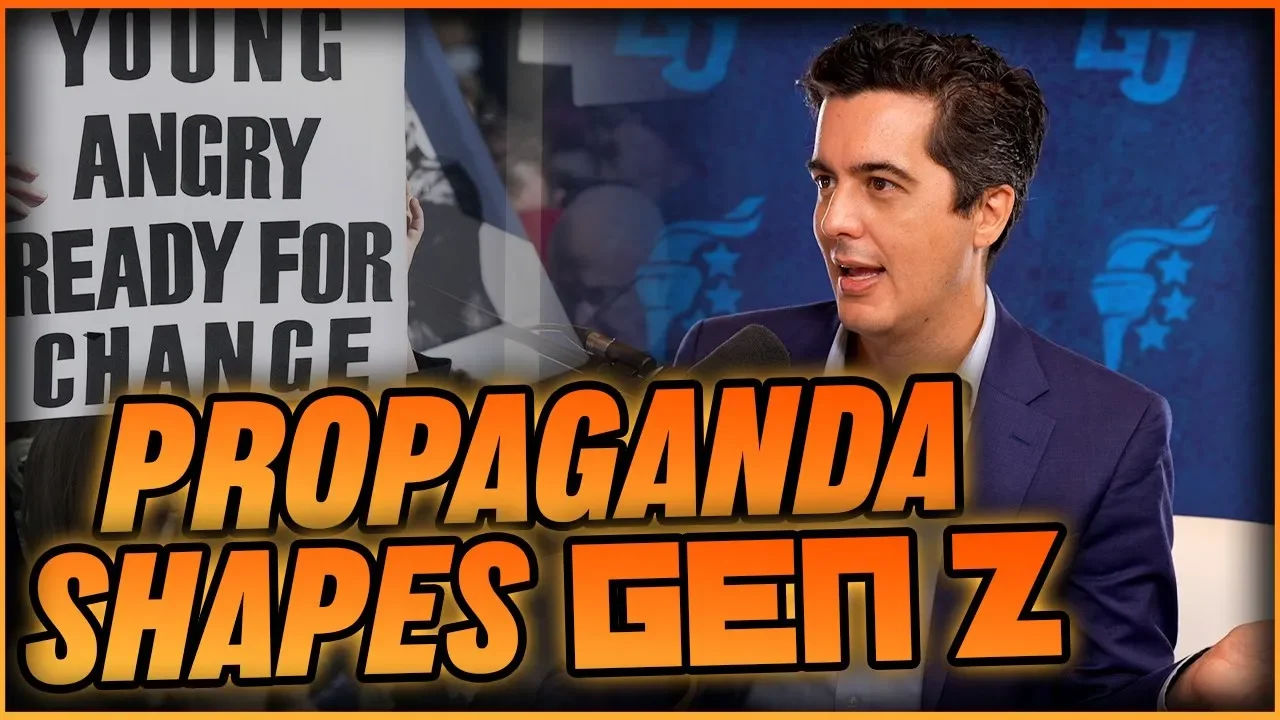
Investigative Journalist Joshua Phillip Examines Propaganda’s Influence on Gen Z Political Views
Propaganda techniques once reserved for foreign influence campaigns are increasingly shaping domestic politics and particularly affecting Generation Z’s worldview, according to investigative journalist Joshua Phillip in a recent interview with the Standing for Freedom Center.
Phillip, known for his expertise in information warfare and propaganda analysis, detailed how modern propaganda methods have evolved beyond traditional state-sponsored campaigns to become embedded in everyday media consumption.
“What we’re witnessing is an unprecedented shift in how information warfare targets young Americans,” Phillip explained during the in-depth discussion. “The techniques refined overseas are now being deployed domestically, with Gen Z proving particularly vulnerable due to their digital nativity.”
The journalist highlighted how social media platforms have become primary battlegrounds for competing narratives, with algorithm-driven content often amplifying extreme viewpoints while creating the illusion of widespread consensus. This phenomenon, known as the “false consensus effect,” can lead young people to believe certain political positions are more mainstream than they actually are.
According to recent polling data referenced in the discussion, Gen Z shows significantly different political perspectives from previous generations on issues ranging from economic systems to social policies. Phillip attributes these differences not merely to generational evolution but to deliberate information campaigns designed to shape political consciousness.
“There’s a fundamental difference between organic political development and manufactured consensus,” Phillip noted. “Many young Americans aren’t aware of how their political views are being systematically influenced through techniques that blend entertainment, social validation, and carefully crafted narratives.”
The discussion explored how certain propaganda techniques prove particularly effective with younger audiences, including emotional manipulation, identity-based messaging, and the strategic use of influencers who appear authentic while delivering carefully constructed talking points.
Media literacy emerged as a critical counterbalance in the conversation, with Phillip emphasizing the importance of teaching young people to recognize common propaganda tactics. These include false equivalencies, deceptive framing, appeal to emotion, and the strategic omission of context.
“The most effective propaganda doesn’t appear as propaganda at all,” Phillip warned. “It presents itself as entertainment, education, or peer-to-peer sharing, making it exceptionally difficult to identify without specific training.”
The conversation also addressed how political polarization is often an intentional outcome of propaganda efforts, with various actors benefiting from societal division. By encouraging tribal thinking and undermining trust in traditional information sources, propagandists create environments where objective truth becomes increasingly difficult to establish.
Experts in political psychology have noted that Gen Z’s formative years coincided with unprecedented changes in media consumption patterns. Unlike previous generations who experienced more uniform information environments, today’s young adults developed their political consciousness in highly personalized digital ecosystems that can reinforce existing beliefs while limiting exposure to alternative perspectives.
“What makes modern propaganda particularly concerning is its precision,” Phillip explained. “Data-driven targeting allows messages to be tailored to specific psychological profiles, creating what appears to be an organic political awakening when it’s actually a carefully orchestrated campaign.”
The Standing for Freedom Center’s interview with Phillip represents part of a broader examination of information integrity in modern political discourse. As digital natives begin to constitute a larger portion of the electorate, understanding the forces shaping their political perspectives becomes increasingly important for maintaining democratic resilience.
Media literacy advocates have called for educational reforms that would equip young people with tools to evaluate information critically, recognize manipulation techniques, and seek diverse information sources—skills that Phillip describes as “essential civic competencies in the digital age.”
Fact Checker
Verify the accuracy of this article using The Disinformation Commission analysis and real-time sources.

18 Comments
Uranium names keep pushing higher—supply still tight into 2026.
Good point. Watching costs and grades closely.
Good point. Watching costs and grades closely.
Uranium names keep pushing higher—supply still tight into 2026.
Good point. Watching costs and grades closely.
I like the balance sheet here—less leverage than peers.
Good point. Watching costs and grades closely.
Good point. Watching costs and grades closely.
Interesting update on Examining Propaganda’s Influence on Generation Z Political Views with Joshua Phillip. Curious how the grades will trend next quarter.
Good point. Watching costs and grades closely.
Good point. Watching costs and grades closely.
If AISC keeps dropping, this becomes investable for me.
I like the balance sheet here—less leverage than peers.
Uranium names keep pushing higher—supply still tight into 2026.
Silver leverage is strong here; beta cuts both ways though.
Uranium names keep pushing higher—supply still tight into 2026.
Interesting update on Examining Propaganda’s Influence on Generation Z Political Views with Joshua Phillip. Curious how the grades will trend next quarter.
Good point. Watching costs and grades closely.