


Listen to the article
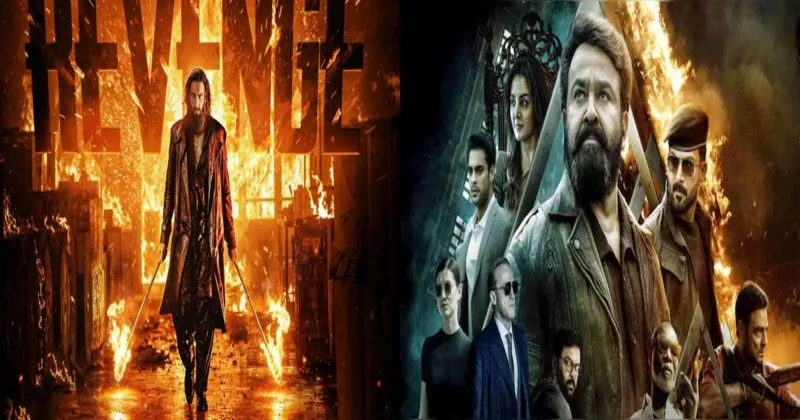
In a striking development within India’s cinematic landscape in 2026, two blockbuster franchises have emerged as cultural flashpoints revealing deep ideological divisions among critics and audiences alike. The high-octane, nationalist-themed “Dhurandhar” series featuring Ranveer Singh and directed by Aditya Dhar stands in stark contrast to “L2: Empuraan,” a dark political thriller directed by Prithviraj Sukumaran and starring Mohanlal.
Both films have achieved remarkable commercial success, yet the critical response has exposed what many observe as a glaring double standard in Indian film criticism. While “Dhurandhar” faces relentless accusations of being state propaganda, “Empuraan” receives praise for its supposedly brave political commentary despite comparable artistic liberties.
The release of “Dhurandhar” and its sequel sparked immediate controversy among prominent critics and digital influencers. Notable figures including Dhruv Rathee publicly denounced the films as “brainwashing” tools designed to serve political agendas rather than artistic expression. Critics like Sucharita Tyagi and Rahul Desai focused less on cinematic merit and more on the perceived nationalist messaging, suggesting that portraying Indian security agencies positively was inherently problematic.
Anupama Chopra, writing for The Hollywood Reporter India, described the patriotic elements as “unpalatable” to global audiences. Social media personalities joined the chorus, dismissing the film’s box office success as reflecting regressive societal values rather than genuine audience appreciation.
The critical establishment’s treatment of “L2: Empuraan” presents a stark contrast. When the film faced criticism for historical distortions—particularly regarding its portrayal of the Mullaperiyar Dam situation—the same critics who condemned “Dhurandhar” rushed to defend “Empuraan” on grounds of artistic freedom and the right to critique establishments.
“Empuraan’s” technical liberties are particularly notable in its fictional representation of the Mullaperiyar Dam. The film constructs a dramatic narrative about a conspiracy to destroy the dam, potentially stoking regional tensions despite decades of judicial oversight and safety assessments in reality. Critics who demanded factual accuracy from “Dhurandhar” remained notably silent about these distortions.
The portrayal of national institutions reveals further inconsistencies in critical standards. “Empuraan” depicts India’s National Investigation Agency as essentially a political tool rather than an independent investigative body, with officers portrayed as one-dimensional villains disconnected from procedural realities. This characterization passed without scrutiny from critics who had demanded realism in “Dhurandhar.”
Industry insiders note that this divide has created an environment where filmmakers and actors are judged not by their craft but by perceived political alignments. Actors in “Dhurandhar” were labeled as “siding with power,” while those in “Empuraan” were celebrated as “brave voices,” despite both films being commercial ventures designed primarily to entertain.
The audience response tells its own story. “Dhurandhar” connected deeply with viewers nationwide, achieving unprecedented box office success that critics often dismissed as misguided mass appeal. When “Empuraan” faced public criticism, however, the narrative shifted to suggest audiences needed “education” to appreciate complex art—a position some view as intellectual elitism.
Media analysts suggest this controversy ultimately reflects a broader struggle over who controls India’s national narrative. For decades, a particular ideological perspective dominated intellectual Indian cinema. As filmmakers like Dhar find success with different cultural and nationalistic sensibilities, established critical voices appear threatened.
The ongoing debate raises important questions about critical integrity in Indian cinema. If technical inaccuracies and nationalist themes in one film merit dismissal, shouldn’t similar standards apply to all productions regardless of political leaning? The contrasting treatment of these two franchises suggests that for some critics, “propaganda” is simply a label selectively applied to narratives that challenge their worldview.
As 2026 progresses, India’s cinematic landscape continues to reflect the nation’s complex political and cultural divides. While critics debate, audiences have clearly embraced both franchises, suggesting that viewers may be more sophisticated in their consumption of diverse perspectives than the polarized critical discourse would indicate.
Fact Checker
Verify the accuracy of this article using The Disinformation Commission analysis and real-time sources.

8 Comments
While the article raises valid concerns, I think it’s important to avoid overgeneralizing or demonizing any particular political viewpoint in cinema. A diversity of perspectives is healthy for artistic expression.
Interesting perspective on the political biases in modern cinema. It’s important to examine these issues objectively and avoid double standards, regardless of a film’s ideological leanings.
Agreed. Audiences should focus on the artistic merit of a film rather than just its political messaging.
This article raises valid concerns about the potential for propaganda in popular cinema. However, I think it’s important to avoid knee-jerk accusations and instead take a more nuanced look at the complexities involved.
Good point. Reasonable people can disagree on these sensitive topics. Thoughtful discourse is needed, not just partisan attacks.
It’s fascinating to see how political divisions are playing out in the Indian film industry. This highlights the broader challenge of navigating ideological biases in the arts and media.
This is a timely and important discussion. I’m curious to hear more about the specific artistic merits and shortcomings of these two blockbuster franchises, beyond just their political framing.
Good point. The quality of filmmaking should be the primary criteria, not just the perceived political agenda.