


Listen to the article
El Paso musician Jim Ward condemns Border Patrol’s unauthorized use of his song in construction video
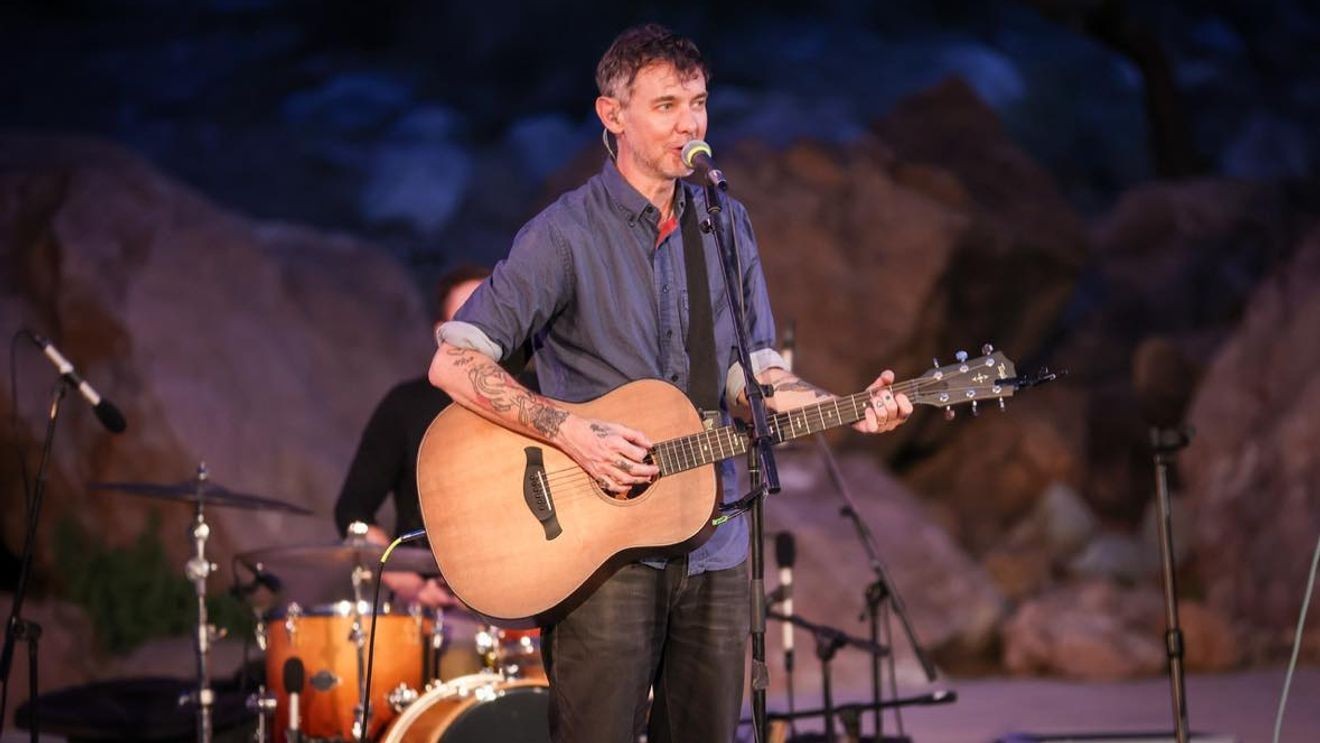
El Paso native Jim Ward has publicly denounced the U.S. Border Patrol after discovering the agency used music from his band Sparta in what he described as “border wall propaganda” on social media.
Ward, co-founder of the influential post-hardcore band At the Drive-In and frontman of Sparta, took to social media on Monday to express his disapproval: “I’m not going to repost it or give it any attention but please know we are aware of our song being used in a border wall propaganda video and are working on having it removed. You absolutely know we are appalled.”
Though Ward did not explicitly identify the post in question, his statement followed a recent video shared by the U.S. Border Patrol El Paso Sector showing controlled explosions around Mount Cristo Rey in Sunland Park, New Mexico. The video featured Sparta’s song “Air” from their 2002 album “Wiretap Scars” playing in the background.
The Border Patrol’s post explained that the controlled blasts were being conducted to clear terrain for what they described as “vital infrastructure” meant to strengthen homeland security. The video shows explosions destroying portions of the landscape near the U.S.-Mexico border, an area that holds cultural and historical significance for many in the borderland community.
The legal status of the Border Patrol’s use of Ward’s music remains unclear. Questions about licensing and authorization have emerged, with no indication whether the agency secured proper permissions to use the track in their official communications. Music licensing for government agencies follows strict protocols, particularly when used in promotional or public-facing content.
This incident highlights the ongoing tensions surrounding border infrastructure projects in the El Paso region. Mount Cristo Rey, where the blasting occurred, is a prominent landmark that features a 29-foot limestone statue of Christ and serves as both a religious site and cultural symbol in the borderland community.
Ward’s response reflects the politically charged nature of border security measures in his hometown. As a prominent El Paso musician whose career spans over two decades, Ward has deep connections to the border culture that shapes the region’s identity. His bands At the Drive-In and Sparta have both achieved critical acclaim while maintaining ties to El Paso’s music scene.
This is not the first time musicians have objected to the unauthorized use of their work by government agencies or political campaigns. Artists across the political spectrum have frequently pushed back against the association of their music with causes or messages they don’t support, citing both copyright concerns and the potential misrepresentation of their values.
The Border Patrol’s El Paso Sector, which covers 264 miles of international boundary, has been at the center of national attention amid evolving border security policies. Construction projects, including barriers and associated infrastructure, have generated significant debate among local residents, environmental groups, and political figures.
Ward’s public statement reflects broader conversations about the relationship between art, politics, and consent in the digital age, where social media enables rapid content dissemination that can sometimes outpace proper licensing procedures.
As of publication, the Border Patrol has not issued a public response regarding the use of Ward’s music or whether they plan to remove the audio from their posted content. Meanwhile, Ward’s statement has garnered support from fans and fellow musicians who share his concerns about the unauthorized use of his creative work.
Fact Checker
Verify the accuracy of this article using The Disinformation Commission analysis and real-time sources.

7 Comments
Hmm, the artist has a valid case that his work was used without permission. But the Border Patrol may argue the video is just about infrastructure, not politics. It’s a tricky balance between artistic control and public interest.
Interesting conflict over the use of this musician’s song. While he has a point about not wanting it used for political purposes, the Border Patrol may counter that the video is simply about infrastructure, not propaganda. I’ll follow this story to see how it plays out.
This is a complex situation with valid arguments on both sides. The artist wants to protect his creative work, while the government agency claims the video serves a public purpose. I’ll be curious to see how it’s resolved.
Hmm, this is a tricky situation. On one hand, the artist has the right to decide how their music is used. But the Border Patrol may argue that the video serves a public interest. I’m curious to see how this plays out.
This is an interesting clash between artistic rights and government use of public resources. The musician makes a fair point, but the Border Patrol may counter that the video serves a legitimate public purpose. I’ll be watching to see the outcome.
I can see both sides here. The musician has a right to control how his art is used, but the Border Patrol may view the video as informational, not propaganda. It’s a nuanced issue without a clear right or wrong answer.
I can understand the musician’s concerns about his work being used for political purposes without his consent. At the same time, the Border Patrol’s video does seem to be about infrastructure, not propaganda. It’s a complex issue.