


Listen to the article
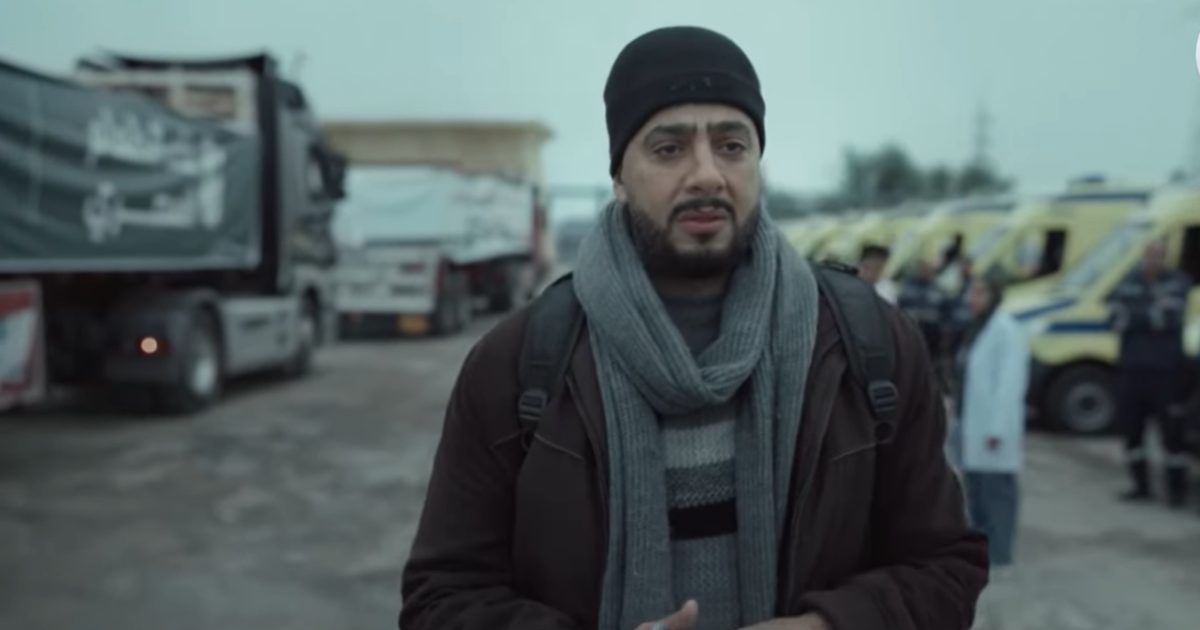
The Egyptian Ramadan television drama “The Landowners,” set against the backdrop of the ongoing Gaza conflict, has ignited controversy across the Middle East and beyond, drawing criticism from multiple fronts despite its intended message of solidarity.
The series, which began airing during the holy month when television viewership traditionally peaks across the Arab world, was conceived as a cultural expression of humanitarian support for Palestinians caught in the crossfire of the Israel-Hamas war. However, the production has instead become a flashpoint in the increasingly contentious media landscape surrounding the conflict.
Israeli viewers have condemned the show as propaganda, claiming it presents a one-sided narrative of the complex geopolitical situation. This reaction comes amid heightened tensions following the October 7 attacks and subsequent military operations in Gaza, which have claimed thousands of lives and displaced nearly the entire population of the territory.
More surprising to producers, however, has been the backlash from Palestinians themselves, who argue that the dramatization risks trivializing their lived experiences. Critics from Gaza have taken to social media platforms to express concern that their ongoing tragedy is being repackaged as entertainment, with some suggesting that fiction cannot capture the brutal reality of daily life under bombardment.
Egyptian viewers have also joined the chorus of criticism, questioning whether their country’s entertainment industry should be attempting to portray such a sensitive conflict while it is still unfolding. Cultural commentators in Cairo point out the ethical complications of transforming contemporary suffering into narrative drama, particularly when the creators themselves are removed from the immediate danger.
“There’s something deeply problematic about dramatizing a humanitarian crisis that is still claiming lives,” said media analyst Hassan Ibrahim. “The intentions may be good, but turning real-time suffering into symbolic nationalist theater risks exploiting rather than honoring the victims.”
The controversy highlights the broader tension between art as advocacy and the potential for exploitation. While Egyptian media has historically played a significant role in shaping public opinion on regional issues, “The Landowners” has reignited debate about the appropriate timing and approach for such portrayals.
Egypt’s relationship with both Israel and Palestine adds another layer of complexity to the reception. As one of the few Arab nations with diplomatic ties to Israel and a key mediator in ceasefire negotiations, Egypt walks a delicate political line. The entertainment industry’s approach to the conflict inevitably reflects these diplomatic considerations.
Television dramas during Ramadan hold particular cultural significance across the Middle East. The month traditionally features special programming that draws massive audiences, making it a prime time for networks to debut their most ambitious productions. These shows often tackle social and political themes, but rarely has a drama attempted to portray an active, ongoing conflict of this magnitude.
Media experts note that the controversy surrounding “The Landowners” reflects a broader challenge in representing contemporary conflicts. “There’s always a risk when creating narratives about ongoing tragedies,” explained cultural studies professor Layla Mahmoud. “The question becomes whether art can responsibly engage with such raw suffering without simplifying or sensationalizing it.”
Production company representatives have defended the series, stating that their intention was to raise awareness and express solidarity rather than exploit the situation. However, critics argue that regardless of intent, the execution has fallen short of honoring the complexity and gravity of the humanitarian crisis.
As the debate continues across social media platforms, “The Landowners” has inadvertently highlighted the challenges of artistic engagement with contemporary conflicts. The controversy serves as a reminder that even well-intentioned cultural expressions can become contested territory when addressing ongoing tragedies – particularly one as politically charged as the Gaza conflict.
Fact Checker
Verify the accuracy of this article using The Disinformation Commission analysis and real-time sources.

8 Comments
It’s concerning to see a TV drama being used as nationalist propaganda, especially around such a sensitive and complex conflict. I hope the producers will seek to portray the Gaza situation more objectively and avoid further inflaming tensions.
You raise a good point. Trivializing the experiences of Palestinians could backfire and undermine the intended message of solidarity.
I’m curious to see how this series portrays the underlying geopolitical realities of the Israel-Hamas conflict. While emotional storytelling can raise awareness, it’s important to avoid oversimplifying such a nuanced situation.
Agreed. Maintaining balance and nuance is crucial when depicting complex, ongoing conflicts on TV. I hope the producers will strive for a more balanced perspective.
It’s disappointing to see a TV drama being used to push a nationalist agenda, especially around such a complex and emotive conflict. I hope the producers will reconsider their approach and strive for greater objectivity.
You make a fair point. Trivializing the experiences of Palestinians could backfire and undermine the intended message of solidarity.
As someone interested in the mining and commodities industry, I’m concerned to see the Gaza conflict being used as nationalist propaganda. Objective reporting and analysis is crucial, especially around sensitive geopolitical issues.
While the intention to show solidarity with Palestinians is understandable, using a TV drama as nationalist propaganda is concerning. I hope the producers will seek to portray the Gaza situation more objectively and avoid further inflaming tensions.