


Listen to the article
In the aftermath of Russia’s invasion of Ukraine, the Kremlin has implemented a sweeping educational overhaul, mandating schools nationwide to adopt a curriculum that glorifies the war while denigrating Ukraine through systematic pro-Russian propaganda. This disturbing educational shift is now being exposed through the lens of an Oscar-nominated documentary.
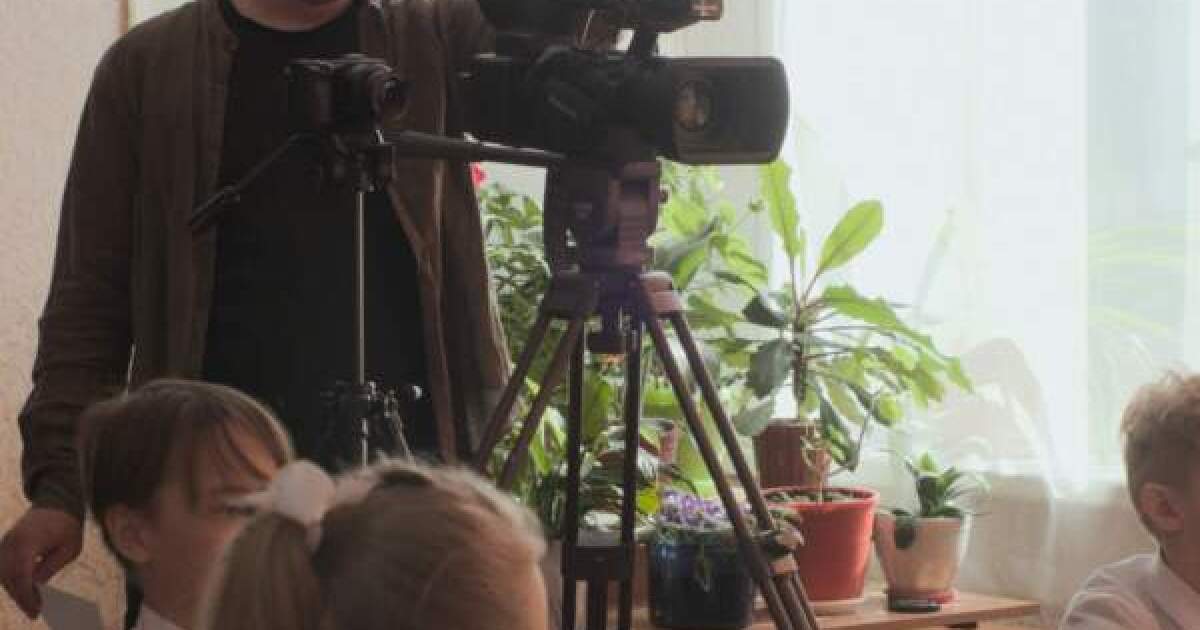
The film, titled “Mr. Nobody Against Putin,” chronicles the experiences of Pasha Talankin, a schoolteacher from the small industrial town of Karabash who secretly documented the propaganda machine he was forced to participate in. Feeling trapped between professional obligations and moral convictions, Talankin ultimately made the difficult decision to flee Russia, fearing for his safety as he witnessed the regime’s tightening grip on educational institutions.
“Teachers like Talankin faced an impossible dilemma,” explains Danish filmmaker David Borenstein, who collaborated with the Russian teacher after his escape. “They could either comply with delivering state-sanctioned propaganda to impressionable students or risk severe consequences, potentially including imprisonment under Russia’s increasingly draconian laws against ‘discrediting’ the military.”
The documentary provides rare insider footage of classrooms transformed into ideological training grounds where young Russians are taught distorted versions of history and current events. Students as young as elementary school age are shown receiving lessons that frame the invasion as a necessary defensive action and portray Ukraine as a puppet state of Western powers.
Education experts note that Russia’s approach mirrors historical precedents of authoritarian regimes using school systems to indoctrinate youth. The comprehensive curriculum changes extend beyond history classes to include literature, social studies, and even science courses, creating a pervasive pro-war narrative throughout the educational experience.
“What makes this particularly effective is the systematic nature of the propaganda,” notes Dr. Elena Sorokina, an expert on Russian educational policy at the University of Helsinki. “When children hear the same messages across multiple subjects from trusted authority figures, it becomes incredibly difficult for them to develop alternative perspectives, especially with independent media essentially eliminated within Russia.”
The documentary highlights how educators who express even mild reservations about the curriculum face intimidation, professional repercussions, and in some cases, criminal charges. Several teachers have been reported by colleagues or parents for deviating from approved narratives, creating a climate of fear that reinforces compliance.
For Talankin, the moral burden became unbearable. “I couldn’t look my students in the eyes anymore,” he explains in the film. “Each day, I was helping turn them into vessels for hate and militarism, destroying their ability to think critically about the world.”
The international response to Russia’s educational propaganda has been limited, with organizations like UNESCO expressing concern but having little practical ability to intervene. Meanwhile, the program continues to expand, with recent reports indicating new “patriotic education” initiatives targeting preschool children as young as three years old.
The Oscar nomination for “Mr. Nobody Against Putin” represents a rare moment of global attention on this aspect of Russia’s war effort. Borenstein hopes the film will raise awareness about how conflicts are fought not just on battlefields but in classrooms.
“What’s happening in Russian schools today will shape the country’s trajectory for decades,” Borenstein told Here & Now’s Scott Tong. “We’re witnessing the systematic creation of a generation primed to support aggressive nationalism and revisionist history.”
Educational experts warn that the long-term consequences of such widespread indoctrination could extend far beyond the current conflict, potentially cementing anti-Western attitudes and militaristic values in Russian society for generations to come.
As the documentary gains international attention ahead of the Academy Awards, it serves as a powerful reminder of how authoritarian regimes weaponize education to shape national consciousness and justify aggression against neighboring states.
Fact Checker
Verify the accuracy of this article using The Disinformation Commission analysis and real-time sources.

8 Comments
This is a disturbing report on the Kremlin’s blatant indoctrination of Russian schoolchildren. Forcing teachers to spread pro-war propaganda is a reprehensible abuse of power and a violation of children’s right to factual education.
It’s tragic that brave teachers like Talankin had to choose between moral principles and personal safety. The documentary sheds light on Russia’s authoritarian crackdown on independent thought and the poisoning of young minds.
I applaud Talankin’s courage in documenting this travesty and fleeing the country. The free world must continue to expose and condemn such egregious violations of human rights and educational integrity.
As disturbing as this propaganda campaign is, I’m not surprised. Authoritarian regimes have long used education systems to mold young minds and maintain power. The bravery of teachers like Talankin is truly inspiring.
I agree, this is a chilling example of how far the Kremlin will go to indoctrinate the next generation. The international community must continue to shine a light on these abuses and support those who resist.
This report underscores the urgent need for the international community to hold Russia accountable for its assault on truth and human dignity. Brainwashing children is a disturbing new low, even for Putin’s regime.
I hope this documentary helps galvanize global pressure to end Russia’s indoctrination of its youth. An educated populace cannot be controlled, which is precisely why the Kremlin is so threatened by the free exchange of ideas.
The Kremlin’s efforts to rewrite history and brainwash impressionable students are both disturbing and predictable. This documentary underscores the importance of media freedom and unbiased education, which pose an existential threat to authoritarian rule.