


Listen to the article
#
Filmmaker Aditya Dhar’s action thriller “Dhurandhar: The Revenge” continues to dominate box office charts across India, drawing packed audiences despite growing criticism over its political undertones. The film has shattered multiple records since its release, cementing its place as one of this year’s most commercially successful productions.
Industry analysts report the sequel has already crossed the coveted ₹500 crore mark globally, placing it among the highest-grossing Indian films of recent years. Theater owners in metropolitan areas have added extra screenings to accommodate the overwhelming demand.
However, the film has sparked intense debate among critics and audiences alike for what many describe as thinly-veiled political messaging. At the center of the controversy is the movie’s portrayal of demonetization—the Indian government’s 2016 decision to invalidate ₹500 and ₹1,000 currency notes—which is depicted in the narrative as an effective strategy against terrorism financing.
Critics argue that “Dhurandhar: The Revenge” presents a simplified and potentially misleading representation of demonetization’s impacts. The actual policy, which removed approximately 86% of India’s currency from circulation overnight, triggered significant economic disruption across the country and remains a contentious topic in Indian politics.
“What we’re seeing is a creative reframing of recent history to align with a particular political perspective,” said film critic Sanjana Mehta. “The film portrays complex economic policies through a nationalist lens that doesn’t acknowledge the documented hardships many citizens experienced.”
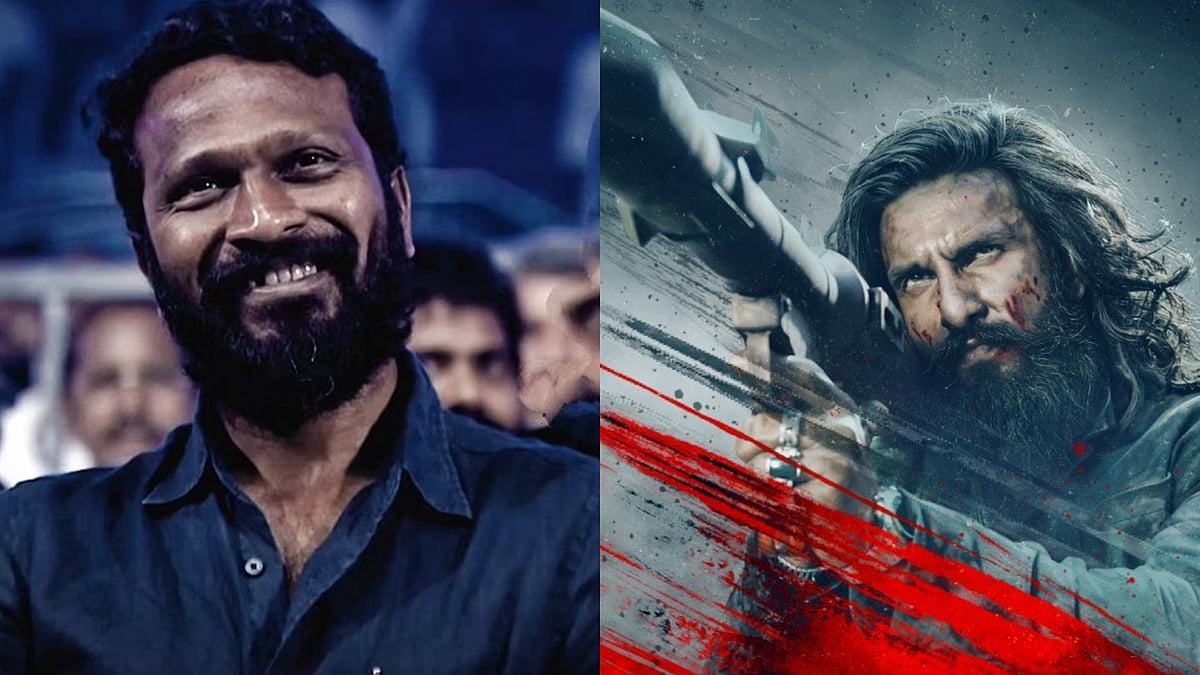
The controversy intensified this week when acclaimed filmmaker Vetri Maaran, known for socially conscious cinema including “Visaranai” and “Asuran,” made comments at an industry event that many interpreted as criticism of “Dhurandhar: The Revenge,” though he did not mention the film by name.
“Nowadays, everything is turning into propaganda. And propaganda has the power to influence memory. Memory is so fickle,” Maaran stated during the panel discussion. Though his remarks remained general, his specific reference to demonetization within a conversation about propaganda in cinema was widely perceived as an indirect critique of Dhar’s blockbuster.
Maaran’s comments highlight broader concerns within India’s film industry about the increasing intersection of cinema and political messaging. Several prominent directors have recently expressed concern about films that appear to rewrite or selectively interpret recent historical events to support particular ideological positions.
The film’s supporters, however, defend it as simply offering an alternative perspective on government policies. Producer Raj Kumar told reporters at a promotional event: “Our film presents a narrative that many Indians connect with. Cinema has always reflected diverse viewpoints, and audience response clearly shows this story resonates.”
The controversy surrounding “Dhurandhar: The Revenge” reflects a growing trend in Indian cinema where commercial entertainment increasingly engages with divisive political topics. Media scholars point to this as part of a global pattern where the line between entertainment and political messaging continues to blur.
Despite—or perhaps partly because of—the controversy, the film’s commercial performance remains impressive. Theater attendance has shown no signs of slowing, with particular strength in northern and western Indian markets. Industry experts now predict the film could potentially enter the exclusive ₹1,000 crore club if its momentum continues.
Meanwhile, social media platforms have become battlegrounds for heated debates about the film’s merits and messaging, with hashtags both supporting and criticizing “Dhurandhar: The Revenge” trending regularly since its release.
As the film enters its third week in theaters, the discussion around its portrayal of recent Indian history and government policies shows no sign of abating, underscoring cinema’s enduring power to shape public discourse on political issues.
Fact Checker
Verify the accuracy of this article using The Disinformation Commission analysis and real-time sources.

10 Comments
This debate over the film’s handling of demonetization highlights the power of popular media to influence public understanding of important policies. While artistic license is expected, responsible filmmaking should strive for nuance and avoid oversimplification of such impactful events.
Precisely. Filmmakers have a responsibility to portray sensitive political topics objectively, without pushing specific agendas. Careful analysis of the film’s representation of demonetization could reveal whether it meets that standard.
Interesting that the director is calling out potential propaganda in this popular film. It’s important to be aware of how media can shape public perceptions, even if unintentionally. Objective analysis of the film’s portrayal of demonetization would be helpful to understand the nuances.
I agree, it’s critical to scrutinize the messaging and potential biases in blockbuster films that tackle complex political issues. A balanced, fact-based discussion could shed light on the film’s accuracy and impact.
The success of this film despite the controversy over its political messaging highlights the challenge of separating art from politics. While creative license is expected, filmmakers have an ethical duty to handle sensitive topics responsibly. Objective analysis could shed light on the film’s accuracy and impact.
Well said. The line between artistic expression and political influence can be blurry, especially for blockbuster films that reach wide audiences. Careful examination of the film’s representation of demonetization is important to understand its potential societal impact.
The director’s claims about the film’s potential to influence viewers’ memories of demonetization are concerning. While movies can creatively interpret real events, they shouldn’t distort historical facts or trivialize complex policy decisions. Rigorous fact-checking and balanced analysis are needed here.
I agree, the director’s comments raise valid issues about the film’s responsibility in portraying sensitive political topics. Objective scrutiny of how the film represents demonetization could shed light on whether it meets ethical standards for responsible filmmaking.
It’s concerning to hear the director’s claims about the film potentially influencing viewers’ memories of demonetization. Movies can be powerful tools, but they shouldn’t distort historical facts or trivialize complex policy decisions. Rigorous fact-checking is needed here.
I agree, the director’s comments raise valid concerns. Films that dramatize real-world events need to tread carefully to avoid inadvertently shaping public perception in misleading ways. Thorough scrutiny of the film’s portrayal is warranted.