


Listen to the article
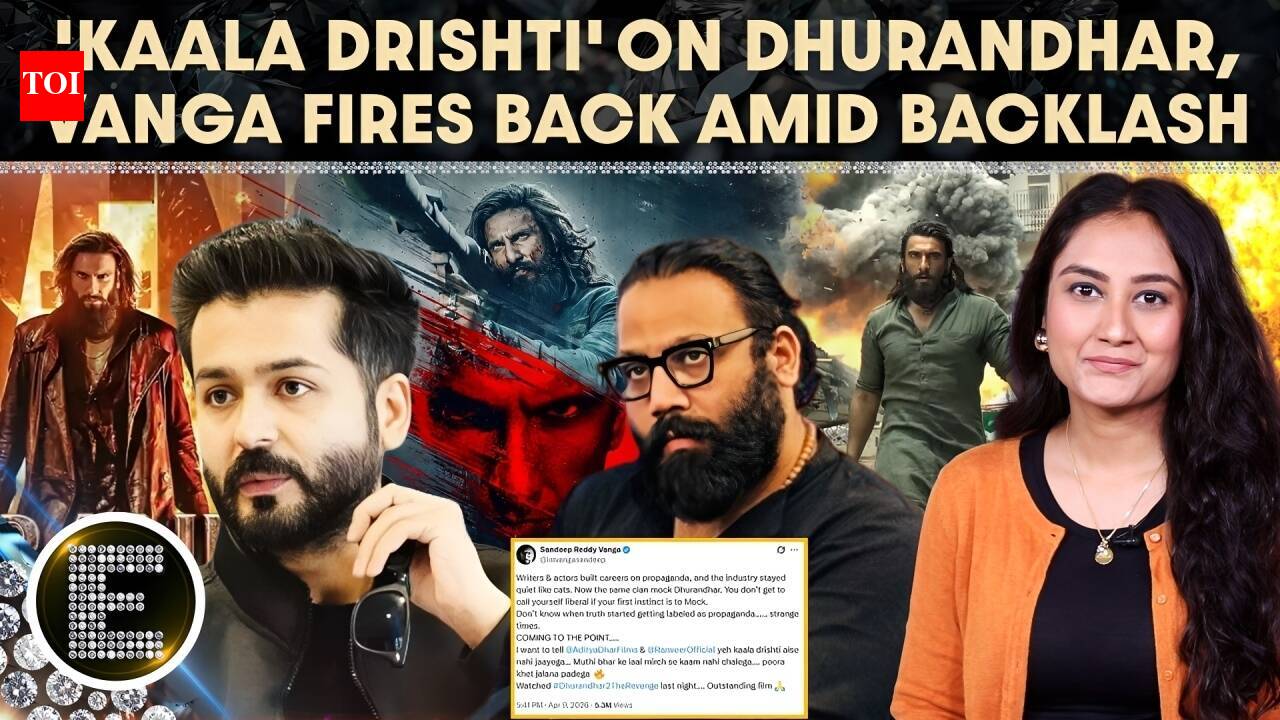
Amid growing controversy surrounding his films, director Sandeep Reddy Vanga has pushed back against critics, characterizing the backlash to his latest work “Dhurandhar” as “kaala drishti” – the evil eye. The filmmaker’s comments have intensified an already heated debate about artistic freedom versus social responsibility that has sharply divided Bollywood.
Vanga, who rose to prominence with his controversial hit “Kabir Singh” and more recently “Animal,” has consistently found himself at the center of polarizing discussions about the portrayal of masculinity and violence in Indian cinema. His latest remarks came during a media interaction in Mumbai, where he defended his creative vision.
“What we’re seeing is nothing but kaala drishti,” Vanga stated. “There’s an organized attempt to discredit the film before audiences even experience it. My work explores complex human emotions without judgment – that’s what art should do.”
The controversy surrounding “Dhurandhar” began when early screenings reportedly featured scenes that some critics and industry insiders deemed problematic for their graphic content and thematic elements. Social media quickly became a battleground, with hashtags both supporting and condemning the film trending nationwide.
Several prominent filmmakers have come forward in support of Vanga. Director Anurag Kashyap, known for his own unflinching portrayals of society’s underbelly, defended Vanga’s right to artistic expression. “We cannot create meaningful cinema if we’re constantly worried about moral policing,” Kashyap remarked at a film festival in Delhi last week. “The audience is intelligent enough to separate fiction from reality.”
However, the opposition to Vanga’s work has been equally vocal. Veteran filmmaker Shyam Benegal expressed concern about the potential social impact of such content. “Cinema has tremendous influence on young minds. With that comes responsibility. Freedom of expression doesn’t mean freedom from accountability,” Benegal noted in a written statement that has been widely circulated in industry publications.
Film critic Rajeev Masand points to a larger cultural shift at play. “What we’re witnessing is not simply about one film or director, but a reflection of changing sensibilities in Indian society. The conversation around consent, power dynamics, and representation has evolved dramatically over the last decade.”
The debate has significant commercial implications as well. Vanga’s previous film “Animal” generated over ₹500 crore at the box office despite – or perhaps because of – its controversial elements. Industry analysts suggest the ongoing debate might actually boost “Dhurandhar’s” commercial prospects when it releases next month.
“Controversy often translates to curiosity, which drives ticket sales,” explains trade analyst Taran Adarsh. “However, there’s also the risk of certification issues if the Central Board of Film Certification takes a strict stance on the content.”
The divide extends beyond the film industry into broader cultural discourse. Several women’s rights organizations have announced plans to protest the film’s release, while digital campaigns supporting creative freedom have gained significant traction on social media platforms.
The Ministry of Information and Broadcasting has thus far remained neutral on the specific controversy, though a senior official speaking on condition of anonymity acknowledged that they are “monitoring the situation closely.”
This latest controversy emerges against the backdrop of a transforming Indian cinema landscape, where streaming platforms have created space for edgier content while traditional theatrical releases face greater scrutiny. The line between artistic provocation and problematic content remains subjective and contested.
As the release date for “Dhurandhar” approaches, all eyes will be on both box office numbers and the public discourse that follows. Whether Vanga’s defense of his vision as authentic storytelling rather than propaganda will resonate with audiences remains to be seen.
What is clear, however, is that the conversation around representation, responsibility, and artistic freedom in Indian cinema has reached a critical juncture – one that will likely influence the creative direction of Bollywood for years to come.
Fact Checker
Verify the accuracy of this article using The Disinformation Commission analysis and real-time sources.

6 Comments
Glad to see the industry debating this issue. Filmmakers should strive for nuanced portrayals that don’t normalize harmful behavior, even if it’s ‘complex.’ Curious to see how this controversy evolves as more people experience the film.
I’m curious to see how this debate evolves. While creative freedom is vital, filmmakers also have a duty to consider the societal impact of their work, especially in sensitive or controversial areas like this.
The director’s ‘kaala drishti’ comments seem defensive. While I respect his creative vision, I hope he’s open to thoughtful criticism that aims to improve representation and social impact, not just ‘discredit’ the work.
As someone interested in mining and energy issues, I wonder if the film touches on related themes of power, exploitation or environmental impact. Responsible storytelling in these domains is so important. Looking forward to hearing more perspectives.
Interesting response from the director. While artistic freedom is important, I wonder if he’s considering the real-world impact of graphic content and troubling themes. Responsible storytelling is crucial, especially in a divisive media landscape.
Interesting that this controversy is unfolding in the context of mining, commodities and energy. Those industries are rife with issues around power, exploitation and environmental impact. Hopeful the film grapples with those themes thoughtfully.