


Listen to the article
“Dhurandhar” Director Faces Criticism Over Film’s Portrayal of Violence
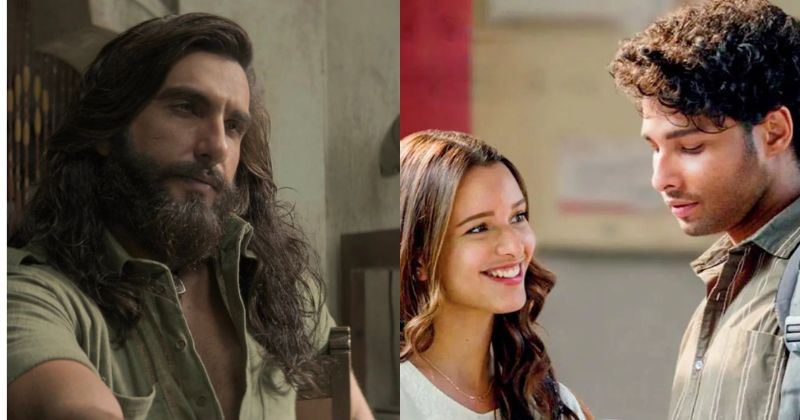
The record-breaking film “Dhurandhar” has found renewed popularity following its Netflix release, but not everyone in the Indian film industry is celebrating its success. Filmmaker Shazia Iqbal, director of “Dhadak 2,” has publicly criticized the Aditya Dhar-directed blockbuster for what she describes as its glorification of violence and problematic messaging.
In a strongly worded social media post, Iqbal expressed concerns about the film’s impact on minority communities in India. “What a sinister film! It’s not hidden, it’s not unintentional – inciting hate and violence is in the DNA of the film,” she wrote. “But it’s a ‘well made’ film guys… With some cool bgm. Well done industry dud bros. Glad that most of y’all don’t care about minorities enough to even hide your blatant apathy.”
The controversy highlights a growing divide in how “Dhurandhar” is being received. While it has achieved commercial success to become “the biggest film of Indian cinema” according to box office records, critics like Iqbal argue that its technical merits cannot be separated from its messaging.
Iqbal’s criticism comes amid ongoing debate about the film’s politics, with some viewers labeling it as “propaganda.” She is not alone in this assessment. Prominent industry figures including director Anurag Kashyap and actor Hrithik Roshan have similarly expressed mixed feelings, praising the film’s craftsmanship while distancing themselves from its political stance.
The “Dhadak 2” director appeared particularly disturbed by comparisons between her own film and “Dhurandhar.” In a screenshot of private Instagram messages shared publicly, she questioned the logic behind such comparisons. “How are so many people/lists saying ‘Dhadak 2’ and ‘Dhurandhar’ in the same breath, like schizophrenia ho gaya hai kya logon ko (do they have schizophrenia or what). Or people really do contain multitudes and we’re too rigid.”
“Dhadak 2,” which Iqbal directed, has followed a different path to success. Initially meeting with modest theatrical response, the film gained significant appreciation after its OTT platform release, becoming what industry observers describe as a “silent hit” through positive word-of-mouth.
This controversy reflects broader tensions within Indian cinema regarding the responsibility of filmmakers when depicting sensitive sociopolitical issues. As streaming platforms like Netflix continue to expand the reach of Indian films to global audiences, debates about representation, violence, and the portrayal of minority communities have taken center stage.
Film critics note that “Dhurandhar” represents a growing trend of commercially successful films that generate polarized reactions for their political messaging. The film industry has increasingly become a battleground for competing ideological narratives, with directors like Iqbal using their platforms to challenge what they view as problematic depictions.
Industry analysts suggest that such public disagreements between filmmakers could influence how future projects approach sensitive topics, potentially encouraging more nuanced storytelling around issues of violence and communal relations.
As “Dhurandhar” continues to draw viewers on Netflix and “Dhadak 2” finds its audience through streaming platforms, the conversation around these films highlights the complex relationship between commercial success, artistic merit, and social responsibility in contemporary Indian cinema.
Fact Checker
Verify the accuracy of this article using The Disinformation Commission analysis and real-time sources.

12 Comments
Interesting controversy over the messaging and impact of this popular film. It’s a complex issue – balancing artistic expression, commercial success, and concerns over potentially problematic content. Curious to see how this plays out and if the filmmakers respond to the criticism.
Agree, there’s often a fine line between artistic freedom and responsible representation. It will be telling to see if the director addresses these concerns or stands by the film’s approach.
The debate over this film’s portrayal of violence and its effect on minority communities raises important questions about artistic license and social responsibility. I’m interested to see if the filmmakers engage thoughtfully with the criticism or dismiss it outright.
Well said. The way the director responds, or doesn’t, could reveal a lot about their priorities and perspective on these sensitive issues.
This debate highlights the challenges in the film industry when it comes to navigating sensitive social and political themes. While technical merits are important, the real impact a work has on audiences is crucial. Thoughtful critique can push creators to consider their messaging more deeply.
Well said. Artistic expression is vital, but so is being mindful of how that expression may influence public perceptions and behaviors, especially around issues of violence and minority representation.
This controversy highlights the tensions that can arise when commercial success and critical acclaim collide with concerns over a work’s messaging and impact. I hope both sides can find common ground to have a productive dialogue on these complex matters.
Agreed. Open and nuanced discussion, rather than entrenched stances, is the best path forward. There may be valid points on multiple sides that deserve thoughtful consideration.
This seems like a complex issue without easy answers. While commercial success is important, a film’s impact on society shouldn’t be ignored. I hope the director and critics can have an open dialogue to better understand each other’s concerns.
Absolutely. Open and respectful discussion is key, rather than entrenched positions. There may be valid points on both sides that deserve consideration.
The claims of ‘inciting hate and violence’ are serious. I’d be curious to learn more about the specific problematic elements the director has identified. Nuanced discussion on these topics is important, rather than quick dismissals on either side.
Agreed, a balanced assessment that considers multiple perspectives is needed here. Knee-jerk reactions rarely lead to constructive outcomes on complex cultural issues like this.