


Listen to the article
Actor Mustafa Ahmed Rejects “Propaganda” Claims About “Dhurandhar: The Revenge”
“Dhurandhar: The Revenge” continues to dominate the box office since its March 19 release, with director Aditya Dhar’s sequel surpassing expectations set by its predecessor. The film has generated significant buzz across social media platforms, from fan theories to memes, while earning praise from industry insiders.
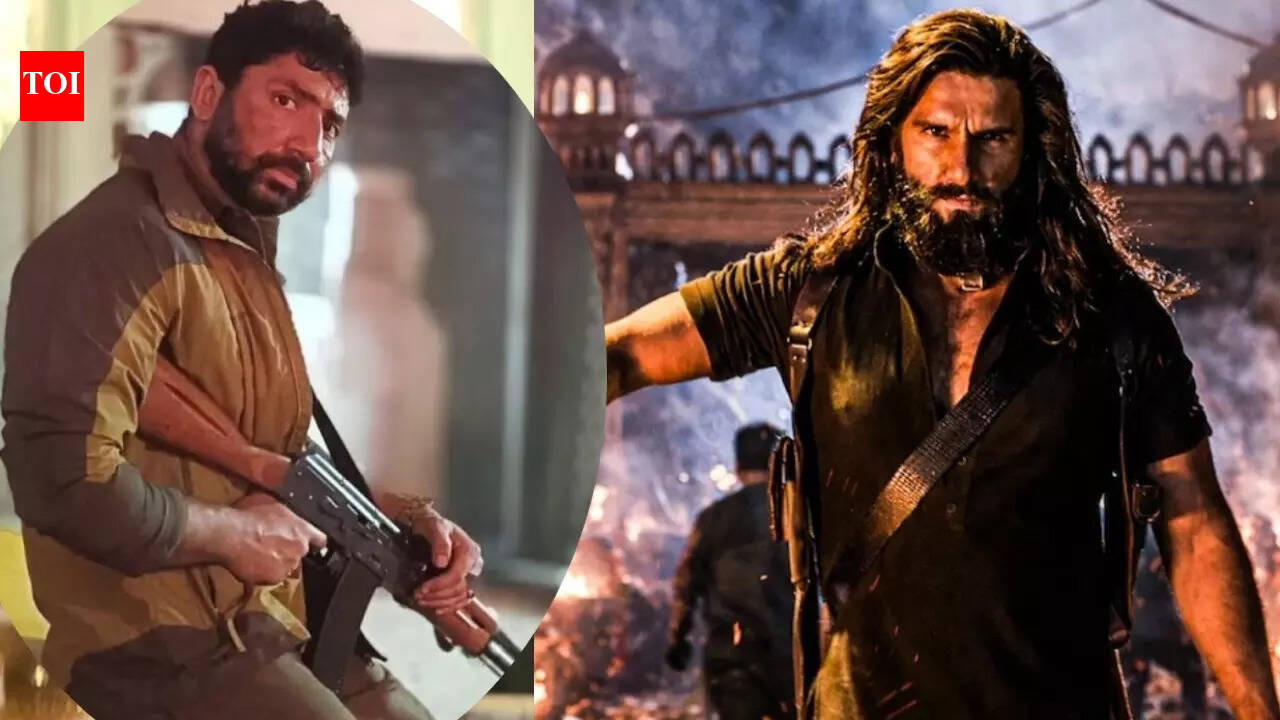
Despite its commercial success, the film has faced criticism from some viewers who label it as “propaganda.” Mustafa Ahmed, who portrays the character Rizwan alongside lead actor Ranveer Singh, has now addressed these allegations in a recent interview.
“One person’s propaganda is another person’s agenda,” Ahmed told Bollywood Cut Uncut. “My name is Mustafa Ahmed. Why would Aditya [Dhar] need to work with me? If he was pursuing some propaganda, he could have cast someone named Mukesh or Mahesh instead. Why would anyone go to such lengths? If someone has an agenda, I respect everyone’s opinion.”
Ahmed emphasized that he approached his role with complete sincerity and made no compromises in his performance. “I haven’t compromised anywhere in portraying my character. As people say, I didn’t sell my conscience for fame. I can only speak for myself, in my own way. This character didn’t do anything wrong, nor did I see anything around me that made me feel something wasn’t right.”
The film’s success comes amid heightened tensions in political discourse around patriotic-themed cinema in Bollywood. In recent years, several films depicting national security themes have faced similar criticisms about their portrayal of sensitive geopolitical issues.
Meanwhile, veteran filmmaker Ram Gopal Varma has publicly defended “Dhurandhar: The Revenge” against these allegations. Taking to social media, Varma challenged critics in Pakistan who claim the film contains falsehoods, suggesting they create their own counter-narrative: “I have a wonderful idea for all those in Pakistan who claim #Dhurandhar2 is a propaganda film full of lies—they can get their own Pakistani @AdityaDharFilms and make #DhurandharTheTruth.”
Veteran actor Anupam Kher also weighed in on the controversy, expressing strong disapproval of those labeling the film as propaganda. “People calling it propaganda film, I feel pity for them. They should be ashamed of themselves. If you can’t tolerate it, then make such a film yourself,” Kher stated in a recent interview.
Kher praised the film for highlighting modern India’s capabilities and the meticulous work of its intelligence agencies. He specifically commended director Aditya Dhar’s approach, noting, “We don’t pick weapons but we give answers with our work. How brilliantly he has demolished the opposite country, with logic and justification.”
“Dhurandhar: The Revenge” has been particularly noted for its technical achievements, with Kher highlighting the writing, dialogue, cinematography, and action sequences as standout elements. He described the film’s final 30 minutes of action as “breathtaking.”
The film joins a growing trend of nationalist-themed action thrillers in Bollywood that have proven commercially successful in recent years, though critical reception often remains divided along ideological lines.
As the debate continues, “Dhurandhar: The Revenge” remains a box office powerhouse, with audiences flocking to theaters despite—or perhaps partly because of—the surrounding controversies.
Fact Checker
Verify the accuracy of this article using The Disinformation Commission analysis and real-time sources.

16 Comments
This actor’s response provides a nuanced take on the ‘propaganda’ claims. His emphasis on sincerity and lack of compromise in his performance is reassuring. It’s important to hear different perspectives on complex issues like this.
I agree, his comments suggest he approached the role with professionalism and integrity, regardless of the film’s political context. Maintaining an open dialogue on such topics is crucial.
The actor makes a fair point about the casting choices. If the film was truly propaganda, as claimed, it seems unlikely they would have selected an actor with a Muslim-sounding name for a lead role. Interesting to get his side of the story.
That’s a good observation. The casting decision does seem to undermine the ‘propaganda’ narrative. It will be worth following this discussion further to see how it develops.
An interesting response from the actor. It’s good to hear his perspective on the ‘propaganda’ claims. Seems like a thoughtful take on a complex issue.
I agree, his points about the casting decisions are quite reasonable. It’s always important to hear different views on controversial topics like this.
It’s admirable that the actor is addressing these allegations head-on. His emphasis on sincerity and lack of compromise in his performance suggests he takes his craft seriously, regardless of the film’s political context.
Agreed. An actor’s job is to portray a character, not to push a particular agenda. His commitment to his role is commendable.
The actor makes a fair argument about the casting choices. If the film was truly propaganda, as claimed, it seems unlikely they would have selected an actor with a Muslim-sounding name for a lead role. Interesting to get his side of the story.
That’s a good point. The casting decision does seem to undermine the ‘propaganda’ narrative. It will be worthwhile to follow this discussion and see how it unfolds further.
The actor raises some valid points about the casting choices. If the film was truly propaganda, as claimed, it seems unlikely they would have selected an actor with a Muslim-sounding name for a lead role. Interesting perspective.
That’s a good point. The casting decision does seem to undermine the propaganda narrative. It will be worth following this discussion further to see how it evolves.
This actor’s response provides a thoughtful perspective on the ‘propaganda’ claims. His emphasis on sincerity and lack of compromise in his performance is commendable. It’s important to hear different views on complex issues like this.
I agree, his comments suggest he approached the role professionally and with integrity, regardless of the film’s political context. Maintaining an open dialogue on such topics is crucial.
The actor makes a fair argument. If the film was truly propaganda, as some claim, it seems unlikely they would have cast an actor with a Muslim-sounding name in a lead role. Good to get his side of the story.
That’s a good observation. The casting choice does seem to undermine the propaganda narrative. It will be interesting to see how this debate continues to unfold.