


Listen to the article
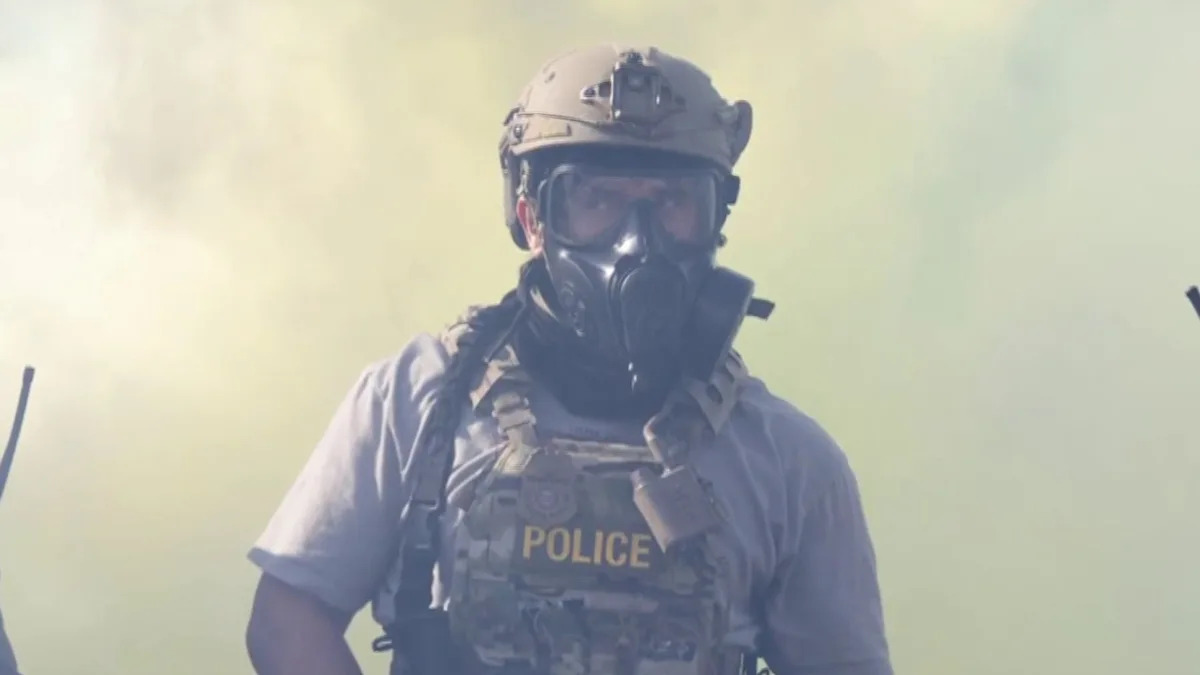
Immigration enforcement policies continue to stir controversy as federal agencies face growing scrutiny over their communications strategies and enforcement tactics. Recent propaganda videos released by agencies including the Department of Homeland Security have come under fire for potentially misrepresenting the reality of immigration enforcement operations in major U.S. cities.
MSNBC National and Political Correspondent Jacob Soboroff conducted an in-depth analysis of these videos during a recent segment with host Nicolle Wallace. His investigation highlights concerning disparities between the narrative portrayed in official government communications and the actual impact of Immigration and Customs Enforcement (ICE) operations on the ground.
According to Soboroff’s reporting, these videos appear designed to create a specific impression about immigration enforcement priorities, particularly in urban centers like Chicago where immigration policies have been especially contentious. The videos predominantly frame operations as targeting dangerous criminals, a characterization that Soboroff’s reporting suggests is not fully aligned with reality.
Data from immigration advocacy organizations indicates that many individuals affected by ICE operations in Chicago and similar cities have no criminal history or have only committed minor offenses, including immigration violations. This contrasts sharply with the impression created by agency communications suggesting operations primarily target individuals who pose public safety threats.
Chicago has been at the center of this debate as one of several “sanctuary cities” that limit local law enforcement cooperation with federal immigration authorities. The city has experienced significant tensions between local policies aimed at protecting immigrant communities and federal enforcement priorities.
The timing of these videos comes amid heightened political focus on immigration issues. With immigration consistently ranking as a top voter concern ahead of the upcoming elections, both parties have intensified their messaging on border security and enforcement policies.
Immigration policy experts point out that the discrepancy between enforcement rhetoric and reality is not new. Throughout multiple administrations, there has been a pattern of emphasizing criminal enforcement while actual operations often cast a wider net.
“There’s a long history of agencies using selective imagery and messaging to justify enforcement actions,” said Maria Rodriguez, director of the Immigration Policy Center, who was not featured in the original segment but whose expertise provides context to the issue. “What we’re seeing now is a particularly aggressive version of this approach.”
The controversy highlights broader questions about transparency in government communications. Media critics argue that government agencies have a responsibility to present accurate, unbiased information about their operations, particularly when they involve vulnerable populations.
ICE has defended its communications strategy, maintaining that its operations prioritize public safety threats while acknowledging that other undocumented individuals may be apprehended during targeted operations.
The impact of these enforcement actions extends beyond those directly targeted. Community advocates report increased fear and anxiety in immigrant neighborhoods, affecting everything from willingness to report crimes to participation in public services.
“When people see these videos alongside actual enforcement patterns in their communities, it creates confusion and distrust,” said Carlos Gutierrez, a community organizer in Chicago’s predominantly Latino neighborhoods. “The fear isn’t just about deportation but about the erosion of community relationships with all government institutions.”
The scrutiny of these videos represents part of a larger national conversation about immigration enforcement, transparency in government communications, and the human impact of policies that often get reduced to political talking points.
As the debate continues, media analysts emphasize the importance of critical examination of official communications from all government agencies, particularly on issues as complex and politically charged as immigration enforcement.
Fact Checker
Verify the accuracy of this article using The Disinformation Commission analysis and real-time sources.

8 Comments
This report highlights the ongoing tension between the official narrative and the lived experiences of local communities affected by immigration enforcement. Transparency and accountability should be top priorities for government agencies in this space.
The MSNBC analysis seems to raise valid questions about the government’s communication strategies and whether they align with the actual impact of immigration enforcement operations. Careful oversight is crucial in this sensitive domain.
Absolutely. Maintaining a clear, unbiased understanding of immigration enforcement is critical for policymakers and the public alike.
This controversy over the DHS videos sheds light on the complexities of immigration enforcement and the importance of fact-based reporting. It will be interesting to see how this story develops and what further scrutiny it faces.
Interesting to see the scrutiny on the DHS videos and their portrayal of immigration enforcement tactics. It’s important to get an accurate picture of how these operations actually impact local communities.
Absolutely. Transparency and accountability around immigration enforcement policies are critical, especially given the sensitive nature of the issue.
The data from immigration advocates highlighting disparities between the official narrative and on-the-ground realities is concerning. It’s crucial that government communications accurately reflect the true impact of these enforcement actions.
I agree. Misleading propaganda videos that misrepresent the priorities and tactics of agencies like ICE undermine public trust and transparency.