


Listen to the article
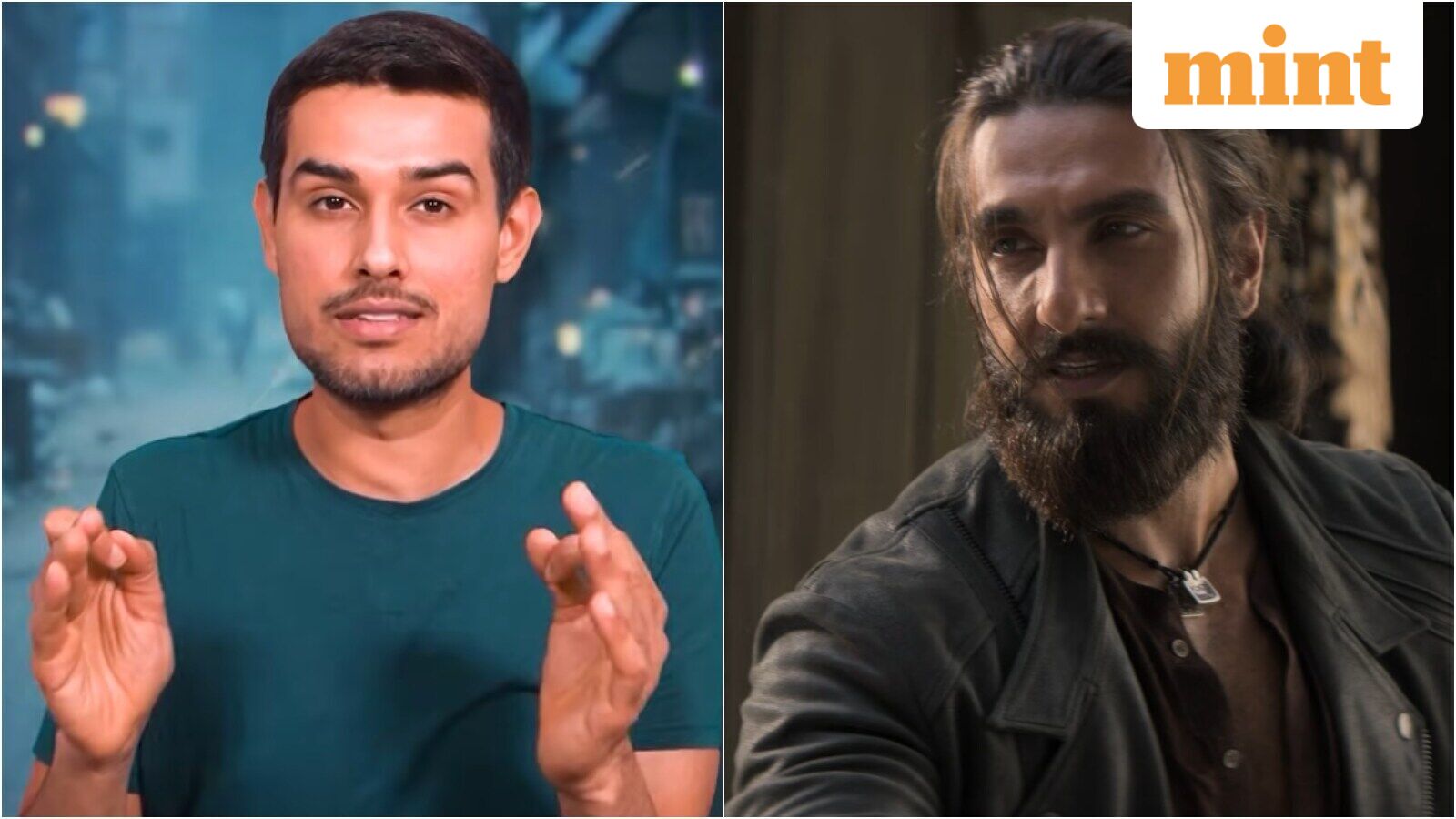
Political commentator Dhruv Rathee has ignited fresh controversy with his recent video criticizing the blockbuster Hindi film “Dhurandhar,” claiming it contains “subtle propaganda” that risks misleading viewers by blurring the lines between fact and fiction.
The film, directed by Aditya Dhar and starring Ranveer Singh, has become one of India’s highest-grossing releases of the year, surpassing ₹500 crore in just 16 days. Despite its commercial success, Rathee’s critique has intensified the ongoing debate about the film’s themes and presentation.
In his detailed analysis, Rathee questioned the film’s approach to storytelling, arguing that audiences may struggle to differentiate between historical reality and fictional elements. “Now the question is, what is fact and what is fiction? The audience cannot tell. And viewers who are immersed in the film do not even question it. This is why it becomes gospel truth for them,” he stated in the video.
The commentator particularly criticized the film’s portrayal of violence and its depiction of criminal characters. He highlighted the character Rehman Dakait, played by Akshaye Khanna, noting how the film presents a brutal criminal with “cool swagger, stylish looks and viral dance moves.” Rathee questioned the ethics of stylizing such characters, suggesting it normalizes violence in mainstream cinema.
“In essence, Dhurandhar takes a gangster film like Gangs of Wasseypur, sets it in Pakistan, adds Animal-level violence, and sprinkles political propaganda on top,” Rathee remarked, contextualizing his critique by referencing other well-known Indian films.
The political commentator further argued that filmmakers have a responsibility toward their audiences, suggesting that “art should sensitize people, but filmmakers like Aditya Dhar desensitize them.” He contrasted “Dhurandhar” with what he considers genuinely patriotic films such as “Border,” “Sarfarosh,” “Sam Bahadur,” and “Chak De India.”
In one of his more controversial statements, Rathee drew a parallel between Dhar and Leni Riefenstahl, Hitler’s favorite filmmaker known for her propaganda films. “If you do not stop inserting false propaganda into your films, your legacy will be the same as Hitler’s favourite filmmaker,” he warned the director. Rathee also addressed Prime Minister Narendra Modi, suggesting that the political messaging in cinema could eventually turn against current leaders.
The commentator referenced actor Hrithik Roshan’s nuanced take on the film, acknowledging its strong storytelling while expressing disagreement with its political stance. Rathee countered this perspective, arguing that “no matter how well made a film is, in the end, it is still propaganda” if it presents a politically motivated narrative.
This isn’t Rathee’s first criticism of “Dhurandhar.” Earlier, he had compared the trailer’s graphic violence to extremist content, sparking initial controversy before the film’s release.
The public response to Rathee’s latest critique has been largely negative. Many social media users have accused him of hypocrisy, with some suggesting his commentary serves as inadvertent publicity for the film. One commenter noted, “If ‘Hypocrisy ki bhi seema hoti hai’ has a face,” while another remarked, “This man is promoting Dhurandhar Jao Ab dekho.”
Some defenders of the film pointed to its international appeal, with one user noting, “The Hitler movies were not liked by the enemy countries. But DHURANDHAR is liked and grossing high even in Pakistan.”
The controversy highlights the complex relationship between entertainment, politics, and public perception in contemporary Indian cinema. As “Dhurandhar” continues its successful theatrical run, it remains a flashpoint for discussions about the responsibility of filmmakers when addressing sensitive historical and political themes, particularly when presented through the lens of mainstream commercial cinema.
The film continues to divide audiences between those who celebrate its technical execution and entertainment value and others who question its thematic choices and potential influence on public perception of historical events.
Fact Checker
Verify the accuracy of this article using The Disinformation Commission analysis and real-time sources.

9 Comments
The film’s commercial success suggests strong audience interest, but Dhruv Rathee’s critique raises valid concerns about how it portrays violence and blurs the lines between reality and fiction. Nuanced discussions around this are important.
The controversy around ‘Dhurandhar’ highlights the need for media literacy and critical thinking. Audiences should be empowered to discern fact from fiction, while creators have a responsibility to uphold integrity.
Dhruv Rathee’s analysis seems thought-provoking, though reasonable people may differ on where to draw the line between creative license and historical accuracy. Engaging in respectful dialogue is crucial to navigate these complex issues.
Absolutely, open and nuanced discussions are key. There are valid arguments on both sides that deserve consideration as we explore the balance between entertainment and education.
This debate around ‘Dhurandhar’ highlights the fine line between entertainment and propaganda. While artistic license is important, it’s crucial to ensure viewers can distinguish fact from fiction, especially with sensitive historical topics.
You make a fair point. Films can influence public perception, so responsible storytelling is crucial to avoid misrepresenting the truth.
The debate around ‘Dhurandhar’ touches on broader questions about the role of media in shaping public perceptions. Constructive criticism can help ensure creative works remain responsible and impactful.
It’s an interesting dilemma – balancing artistic freedom with the responsibility to present historical events accurately. Perhaps a thoughtful, fact-based approach could satisfy both the creative vision and audience’s need for truth.
You’re right, a balanced approach is ideal. Filmmakers should strive to entertain while also educating the audience and preserving the integrity of historical narratives.