


Listen to the article
Popular YouTuber Dhruv Rathee Criticizes “Dhurandhar 2” as Propaganda Amid Record-Breaking Box Office Run
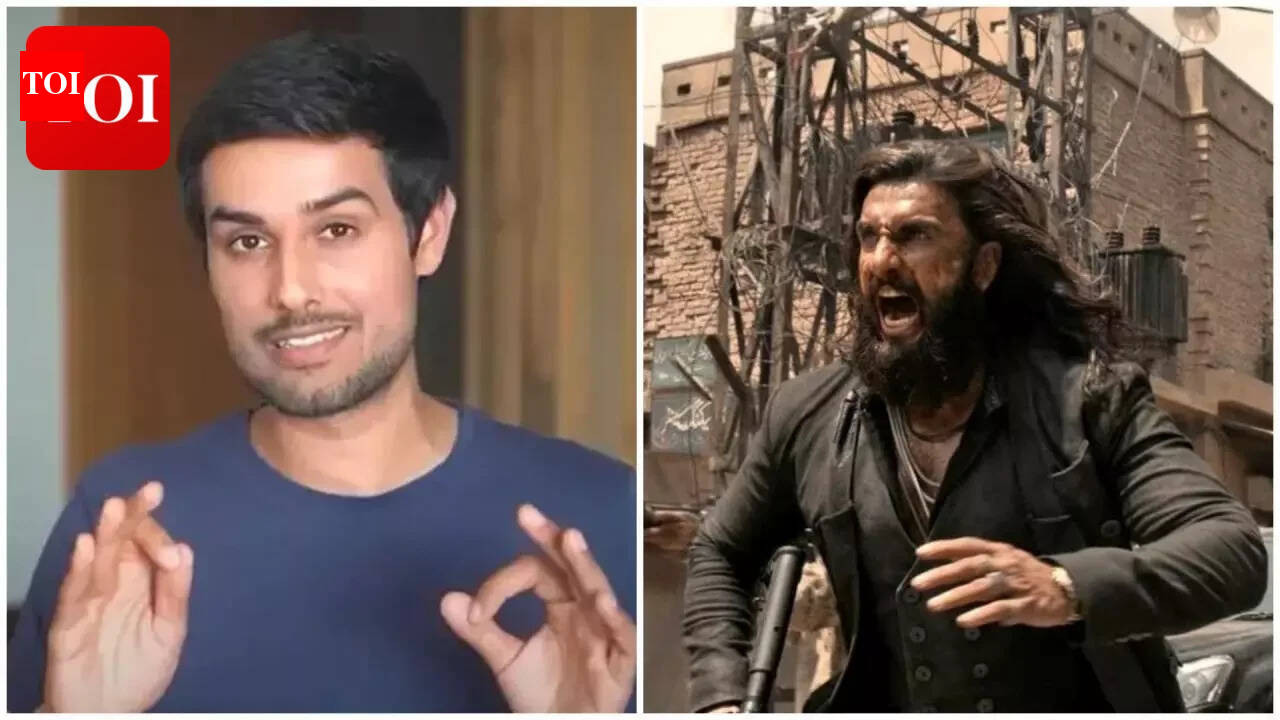
Blockbuster sequel “Dhurandhar 2: The Revenge” has stormed the box office with historic opening numbers while simultaneously igniting controversy over its content and messaging. The Ranveer Singh-led action film has drawn packed audiences nationwide, but prominent YouTuber Dhruv Rathee has publicly denounced the film as political propaganda, creating a heated debate among moviegoers and social media users.
Taking to X (formerly Twitter), Rathee didn’t mince words in his criticism, writing: “I called Aditya Dhar a BJP propagandist 3 months ago. Now everyone will see it. It was subtle in the previous film, but he went so blatant this time in overconfidence. Remember how I said, well-made propaganda is more dangerous? Ab toh well-made bhi nahi raha. Lol.”
The controversial statement has divided audiences online, with supporters defending Rathee’s right to critique the film’s alleged political undertones, while detractors accuse the YouTuber of attempting to undermine a commercially successful Indian production.
This isn’t Rathee’s first confrontation with director Aditya Dhar or the “Dhurandhar” franchise. During the release of the first installment, Rathee produced a detailed video analysis arguing that “well-made propaganda is more dangerous,” specifically referencing how the film incorporated real-life events and references to shape its narrative. Even before the original film’s release, Rathee had criticized its trailer for what he described as glorification of violence and excessive gore.
Industry observers note that political messaging in mainstream Bollywood productions has become increasingly scrutinized in recent years, with major releases often facing accusations of promoting particular ideologies. This controversy highlights the growing intersection between entertainment, politics, and social media discourse in India’s cultural landscape.
Despite—or perhaps partially because of—the controversy, “Dhurandhar 2” has shattered box office records. According to tracking site Sacnilk, the film collected a staggering ₹96.78 crore net on its opening day across 27,574 screenings. When combined with the ₹43 crore generated from paid preview screenings, the film’s total domestic net has reached ₹139.78 crore, with gross collections hitting ₹167.74 crore within just 24 hours of its official release.
These impressive figures have propelled “Dhurandhar 2” past the opening day collections of other recent blockbusters including “Jawan,” “Pathaan,” and “Animal,” establishing it as the biggest opener in Bollywood history. Trade analysts attribute this success to multiple factors: aggressive marketing, the star power of Ranveer Singh, the existing fanbase from the first film, and strategic release timing.
While many viewers have praised the sequel’s production scale, performances, and storytelling, a significant section of the audience has expressed disappointment, feeling it doesn’t match the quality of its predecessor. This mixed word-of-mouth hasn’t dampened initial enthusiasm, though industry experts are closely watching to see if it affects the film’s long-term performance.
The “Dhurandhar” franchise has positioned itself as a nationalist action series, a genre that has proven commercially successful in recent years. Dhar, who previously directed the National Award-winning film “URI: The Surgical Strike,” has developed a reputation for creating patriotic content that resonates with mass audiences while occasionally drawing criticism for its political overtones.
As “Dhurandhar 2” continues its theatrical run, the debate surrounding its content and Rathee’s criticism highlights the complex relationship between commercial cinema, political messaging, and audience reception in contemporary India.
Fact Checker
Verify the accuracy of this article using The Disinformation Commission analysis and real-time sources.

18 Comments
The debate around ‘Dhurandhar 2’ highlights the delicate balance filmmakers must strike between creative expression and social responsibility. There are valid points on both sides of this discussion.
Precisely. This issue touches on broader questions about the role of art and entertainment in shaping public discourse.
Interesting take from Dhruv Rathee. While creative license is important, there’s a fine line between art and overt propaganda. It will be worth watching how this debate evolves as more people engage with the film.
I agree, a balanced and nuanced perspective is needed here. Dismissing the film as mere propaganda may be an oversimplification.
It’s interesting to see a prominent YouTuber like Dhruv Rathee weighing in on this film. His criticism raises important questions about the line between political messaging and entertainment.
Agreed. This debate speaks to the broader tension between artistic freedom and social responsibility in the media landscape.
The box office success of ‘Dhurandhar 2’ suggests there is a strong appetite for this type of content, even amidst the controversy. It will be worth monitoring how the film’s impact evolves over time.
Absolutely, the film’s commercial performance highlights the complexities involved. Reasonable people can disagree on where the line should be drawn.
It’s concerning to see allegations of political bias in a major Bollywood production. However, audiences should judge the film on its own merits rather than preconceptions.
Well said. Maintaining an open and critical mindset is important when engaging with any form of media, especially on sensitive topics.
This controversy speaks to the challenging landscape filmmakers navigate when tackling politically-charged topics. Reasonable people can disagree, but open and constructive dialogue is crucial.
Agreed. Maintaining civility and intellectual honesty will be key as this debate continues to unfold.
This controversy highlights the challenges of creating politically-charged content in today’s polarized climate. Filmmakers must tread carefully to avoid accusations of bias, while still telling compelling stories.
Well said. There are valid concerns about propaganda, but also the need to respect artistic expression. Finding the right balance is crucial.
Dhruv Rathee’s critique raises important questions, but dismissing the film’s success as mere propaganda may be an oversimplification. Audiences should engage with the content critically and form their own opinions.
Well said. A nuanced, evidence-based approach is needed to address the complex issues at play here.
Dhruv Rathee’s critique raises valid concerns, but dismissing the film as pure propaganda may be an oversimplification. The truth likely lies somewhere in the middle.
Agree, this is a nuanced issue that deserves a thoughtful discussion rather than knee-jerk reactions on either side.