


Listen to the article
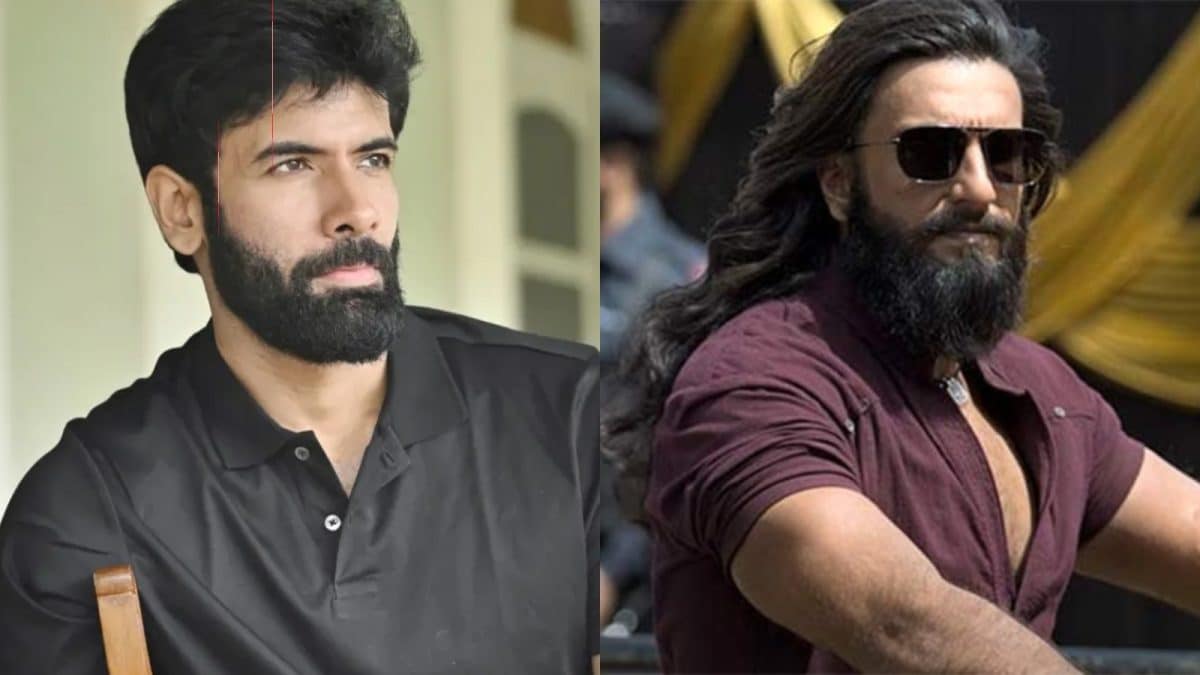
Actor Danish Pandor Dismisses Propaganda Claims Surrounding “Dhurandhar”
Nearly three weeks after its release, the film “Dhurandhar” continues to generate intense discussion across social media platforms and among cinema enthusiasts. While the movie has garnered significant praise, it has also faced accusations from certain quarters of pushing a political agenda. Danish Pandor, who plays a pivotal role in the production, has now addressed these allegations, emphasizing that the film was created purely as a storytelling exercise.
“Honestly, the film was made purely from a storytelling perspective, not to push a message or agenda,” Pandor stated in a recent interview. He expressed confidence in modern audiences’ ability to form their own opinions about the content they consume. “Audiences today are very smart. They can agree, disagree, question, or even reject something, and that is completely fair.”
The actor believes that once a film reaches the public, creators lose control over its interpretation. “Once a film is presented to the world, we lose control over how it is viewed,” he explained. “Some people may see it politically, others emotionally. Filmmaking is subjective by nature. You might agree with a perspective, I might not, and that’s okay.”
This perspective on audience autonomy highlights a growing recognition in the film industry that viewers bring their own experiences and worldviews to their consumption of media. Rather than seeing this as problematic, Pandor embraces the plurality of interpretations as an inherent feature of cinematic art.
“Dhurandhar” has sparked numerous fan theories about potential sequels and generated heated debates regarding the moral journeys of its main characters, Hamza and Uzair. This level of engagement demonstrates the film’s impact beyond mere entertainment value, establishing it as a cultural touchstone worthy of serious discussion.
Despite the controversy, Pandor maintains that the film never attempts to dictate audience reactions. “At its core, the film is about narrative, not messaging. We are not forcing an opinion on anyone. We are simply telling a story and allowing viewers to feel what they feel,” he said.
The actor also noted that his personal experience with audience feedback has been overwhelmingly positive. “I personally haven’t encountered accusations of propaganda in any meaningful way,” he remarked. “The overwhelming response has been love, and that itself speaks volumes.” This suggests that while online discourse may highlight polarizing opinions, the broader reception has been favorable.
Pandor attributed much of the film’s success to director Aditya Dhar’s commitment to authenticity and thorough research. “The fact that the film is being embraced so strongly tells me that viewers are connecting with the storytelling, the realism, and the cinematic experience Aditya sir has crafted after years of research and writing,” he said. “That, to me, is truly commendable.”
The controversy surrounding “Dhurandhar” reflects a larger trend in contemporary cinema, where films tackling complex or politically adjacent themes often become battlegrounds for broader cultural debates. However, Pandor’s remarks suggest a film industry increasingly comfortable with allowing audiences to draw their own conclusions rather than crafting explicit messages.
As “Dhurandhar” continues its theatrical run, the conversation it has generated demonstrates cinema’s enduring power as a medium that can simultaneously entertain and provoke thoughtful discussion. Whether viewed as pure entertainment or as a text worthy of deeper analysis, the film has undeniably succeeded in capturing the public imagination.
Fact Checker
Verify the accuracy of this article using The Disinformation Commission analysis and real-time sources.

9 Comments
The actor makes a fair point. Audiences are savvy and can decide for themselves whether a film has a political agenda or is simply a work of storytelling. It’s wise of him to acknowledge the subjectivity inherent in how creative works are perceived.
Glad to see the actor addressing the propaganda claims directly. It’s true that once a film is released, the creators lose control over how it’s perceived. Audiences should be allowed to engage with the work on their own terms without accusations of hidden agendas.
Well said. The actor seems to have a mature understanding of the creative process and the role of the audience. It’s refreshing to see an artist acknowledge the subjectivity inherent in filmmaking.
This is a nuanced perspective from the actor. I appreciate his acknowledgment that audiences are capable of discerning political messaging, if present, rather than having it forced upon them. Creative works are complex and should be approached with an open mind.
Exactly. The actor’s stance reflects a healthy respect for the audience’s intelligence and ability to interpret art on their own terms. That’s the sign of a confident artist who trusts the public to engage thoughtfully with the work.
I find the actor’s perspective quite reasonable. He rightly recognizes that once a film is released, the creators no longer control its interpretation. Audiences should be free to engage with the work and draw their own conclusions, rather than have a message forced upon them.
Well stated. The actor’s acknowledgment of the audience’s agency in interpreting art is a refreshing approach. It demonstrates respect for the public’s ability to think critically and form their own views on the film’s content and themes.
Interesting to hear the actor’s perspective on the political allegations surrounding the film ‘Dhurandhar’. He makes a fair point that audiences are smart and can form their own views on the content, rather than being spoon-fed a message. Creative works are often open to interpretation.
The actor’s remarks highlight an important aspect of the creative process – the loss of control over how a work is perceived once it’s presented to the public. His recognition of audience autonomy in interpreting the film is a thoughtful and mature stance.