


Listen to the article
In the wake of the box office success of “Dhurandhar: The Revenge,” actor Danish Pandor has dismissed growing political debates surrounding the film, insisting it’s simply “a matter of storytelling” without any political agenda.
“Where is politics involved in it?” Pandor questioned during a recent interview. “Once the film is out, it belongs to the audience. They can interpret it the way they feel.”
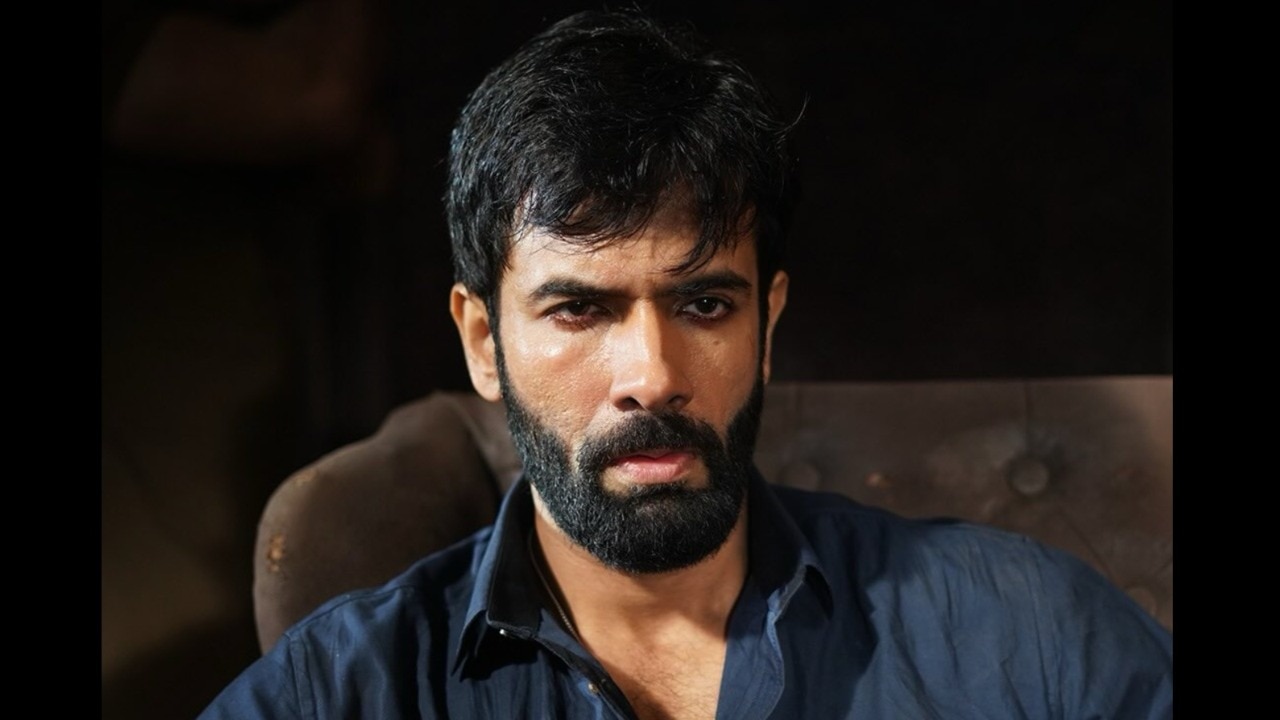
The actor, who portrays gangster Uzair Baloch in the Aditya Dhar-directed sequel, remains focused on the craft and performance aspects while audiences and critics dissect the film’s potential subtexts and messages.
Pandor describes the audience reception as “overwhelming” and “surreal,” noting a distinct shift in intensity from the first installment. “Part one was more about character establishment—understanding where Hamza comes from, how the Baloch brothers run the business. Part two is more about revenge. It’s more intense,” he explained.
This increased intensity has triggered stronger viewer reactions. The film has not only dominated box office figures but has also sparked conversations about its violent content and underlying themes.
One sequence in particular—a brutal killing involving Pandor’s character—has become a talking point among audiences. Surprisingly, this pivotal scene was filmed early in production. “You won’t believe it—it was my third day of shoot. I was still settling in, and suddenly I was doing one of the most important scenes,” Pandor revealed.
The physically demanding sequence required meticulous preparation. “I was doing homework for all my scenes well in advance—understanding the character, working on the dialect, going through research material,” he said. The shoot itself was challenging, requiring multiple takes from different angles, and even resulted in a real injury when Pandor cut his thumb during filming.
Despite some critical responses to the film, Pandor maintains that audience reception has been overwhelmingly positive. “Whoever I’ve met hasn’t criticised the film at all. But even if they do, it’s their right,” he stated, emphasizing the subjective nature of cinema. He views the ongoing debates as evidence of meaningful engagement with the film.
“I haven’t met a single person who has watched it just once. People are watching it multiple times—that says something,” Pandor noted, pointing to repeat viewings as the ultimate metric of the film’s impact.
When pressed on whether “Dhurandhar 2” pushes a political agenda, Pandor remained firm in his position: “It’s not about pushing any agenda. It’s about portraying a story with emotional truth. People might interpret it differently, but that’s not coming from the director’s intent.”
The actor speculates that director Aditya Dhar is likely untroubled by the political discourse surrounding the film. “I don’t think it would affect him. If anything, he must be ecstatic,” Pandor said. “What the film has achieved—it’s huge. It’s like there’s cinema before Dhurandhar and after it.”
Secrecy was paramount during production, with Pandor revealing he didn’t share details about the film even with close family members for a year and a half. “The moment you reveal things, the surprise element is gone. And that defeats the purpose of a beautifully written script,” he explained. This level of confidentiality extended to the set, where only select crew members were privy to certain plot elements.
Looking ahead, Pandor acknowledges that the film’s success has generated new opportunities, but he’s approaching them cautiously. “It’s a responsibility now. People have shown so much love, so I have to choose carefully. I just want to do impactful roles, characters that stay with the audience,” he said.
Rather than pursuing fame, Pandor appears more interested in challenging roles that push his boundaries as a performer. His perspective amid the clamor of box office figures and heated debates reflects a traditional actor’s mindset: commitment to storytelling and respect for audience interpretation.
“Once the film is out, it’s not ours anymore,” he concluded. “It belongs to the audience.”
Fact Checker
Verify the accuracy of this article using The Disinformation Commission analysis and real-time sources.

8 Comments
The shift in intensity from the first installment to the second is intriguing. I wonder how the increased violence and themes will resonate with audiences, both in terms of box office success and the broader sociopolitical commentary.
This controversy around the film’s potential political messaging highlights the complex role that art and entertainment can play in reflecting and shaping societal debates. It will be interesting to see how this unfolds.
While the director and actor seem keen to downplay any political motivations, it’s understandable that a film dealing with themes of violence and power dynamics in the mining/commodities industry would invite scrutiny and debate. I look forward to seeing how this unfolds.
Interesting to see how the director and actor are navigating the political controversy around this film. It seems they are trying to focus the discussion on the artistic and entertainment aspects rather than any potential political agenda.
While the filmmakers may want to emphasize the artistic and entertainment value of their work, the political and social implications of a film about violence and power dynamics in the mining industry are hard to ignore. This is an intriguing case study in the intersection of art, politics, and current events.
I’m curious to hear more about the specific sequence that has sparked debate around the film’s content and messaging. What aspects of that scene seem to be generating the strongest reactions from viewers?
The director and actor’s attempts to downplay any political agenda are understandable, but the themes and content of the film seem too relevant to today’s issues in the mining and commodities sectors to be easily dismissed. I’m curious to see how this plays out.
The box office success of this film is notable, especially given the surrounding controversy. It will be interesting to see if the filmmakers’ focus on the artistic and entertainment value of the work can help temper the political debates, or if the tensions will continue to escalate.