


Listen to the article
In a significant legal development, the Coroner has issued an order prohibiting the publication of details surrounding the death of Papalii Sia Figiel, who died in police custody at Tanumalala prison on Monday, January 26, 2026.
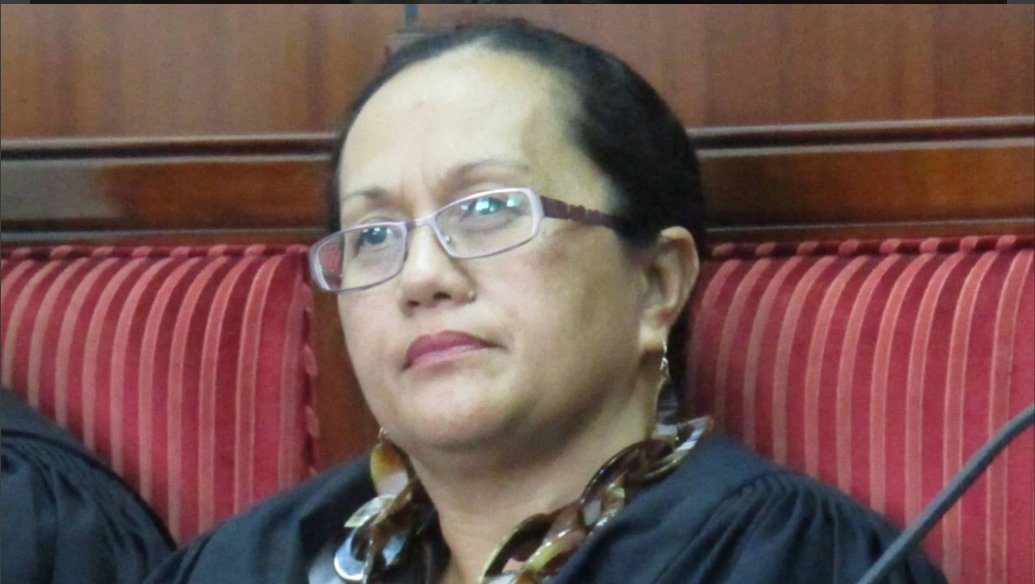
Coroner Judge Her Honour Alalatoa Rosella Vuane Papalii issued the formal order, which specifically restricts all media outlets and the Ministry of Police from releasing information about Figiel’s death, particularly where evidence suggests it may have been self-inflicted.
Figiel’s case had garnered substantial public attention in Samoa following her arrest in May 2024 for the murder of Dr. Caroline Sinavaiana-Gabbard, a prominent academic who was 78 years old at the time of her death. Dr. Sinavaiana-Gabbard was widely respected as the first Samoan to achieve full professorship at an American university, making her death a significant loss for the Pacific academic community.
During the Supreme Court trial in August 2025, Figiel’s defense strategy centered on her mental health condition. Her legal representative, Unasa Iuni Sapolu, presented medical evidence indicating Figiel suffered from a psychotic disorder for which she had been prescribed medication. Court observers noted that Figiel appeared visibly distressed during the proceedings, reportedly crying uncontrollably when police forensic specialists described the crime scene and the condition of Dr. Sinavaiana-Gabbard’s body.
The recent developments began unfolding on February 6, 2026, when the Samoa Police released a statement containing details from a pathologist’s report regarding Figiel’s death. Samoa Global News published an article based on this information. However, by February 7, following receipt of the Coroner’s order, the news outlet removed the article from its website and social media platforms.
The Coroner’s directive is explicit in its scope, stating: “Unless approved by the Coroner, all persons (including the Ministry of Police and all media outlets in Samoa and abroad) are strictly prohibited from publishing or broadcasting in any way or form, any details relating to the manner of death of Ms. Figiel or any other death where there is reasonable cause to believe the death was self-inflicted.”
In addition to the legal prohibition, the Coroner made a compassionate plea to the public and media, urging that Figiel’s death not be turned into “morbid public propaganda.” The order emphasized the need to “respect Ms. Figiel, her family and loved ones as they navigate through this tragic loss” and called for observance of the legal processes governing coronial investigations.
This case highlights the complex intersection of mental health, criminal justice, and media ethics in Samoa. The Coroner’s order aligns with practices in many jurisdictions worldwide that limit reporting on suspected suicides, particularly in custody situations, to prevent potential harmful effects including suicide contagion.
The death of an individual in police custody also raises questions about prison conditions and the management of inmates with mental health conditions in Samoa’s correctional facilities. While no official statement has addressed these concerns, they remain implicit in the circumstances surrounding Figiel’s death.
For Samoa’s criminal justice system, this case presents multiple challenges: ensuring proper investigation of deaths in custody, maintaining appropriate confidentiality around sensitive matters, and balancing the public’s right to information with privacy and dignity concerns for the deceased and their families.
As the investigation continues under the Coroner’s supervision, further details about Figiel’s death remain restricted pending official approval for release, reflecting the serious nature of deaths in custody and the legal protocols designed to address them with appropriate sensitivity and thoroughness.
Fact Checker
Verify the accuracy of this article using The Disinformation Commission analysis and real-time sources.

8 Comments
The tragic death of Dr. Sinavaiana-Gabbard was a significant loss for the academic community in the Pacific. While the details of Figiel’s case are still unclear, it’s understandable that the coroner wants to prevent the situation from being politicized or used for propaganda purposes. A thoughtful, impartial approach is needed.
Absolutely. Maintaining respect for the individuals involved and upholding due process should be the top priorities here, not sensationalism or agenda-driven narratives.
This is a complex and delicate case that requires a thoughtful, impartial approach. The coroner’s decision to restrict information is likely aimed at preventing the premature or improper use of the details for political or propaganda purposes. Upholding due process and respecting the privacy of those involved should be the top priorities.
The coroner’s order to restrict information about Figiel’s death is a prudent move. In a sensitive case like this, where mental health issues and a high-profile prior conviction are involved, it’s crucial to prevent the exploitation of the details for propaganda or political gain. A fair, dispassionate process should be the priority.
I agree. Maintaining the integrity of the legal proceedings and respecting the privacy of those affected should take precedence over any attempts to sensationalize or misrepresent the facts.
I appreciate the coroner’s caution in this case. Given the high-profile nature of the individuals and events involved, there is a clear risk of the details being distorted or exploited for political ends. A measured, fact-based approach is warranted to ensure justice is served and undue harm is avoided.
This is a sensitive case that requires careful handling. The coroner’s order to restrict information is likely aimed at preventing the death from being misused for political or propaganda purposes. It’s important to respect the privacy of those involved and allow the legal process to unfold without undue influence.
I agree, the coroner’s decision seems prudent given the high-profile nature of this case and the risk of it being exploited. Restraint is warranted until the full facts are established.