


Listen to the article
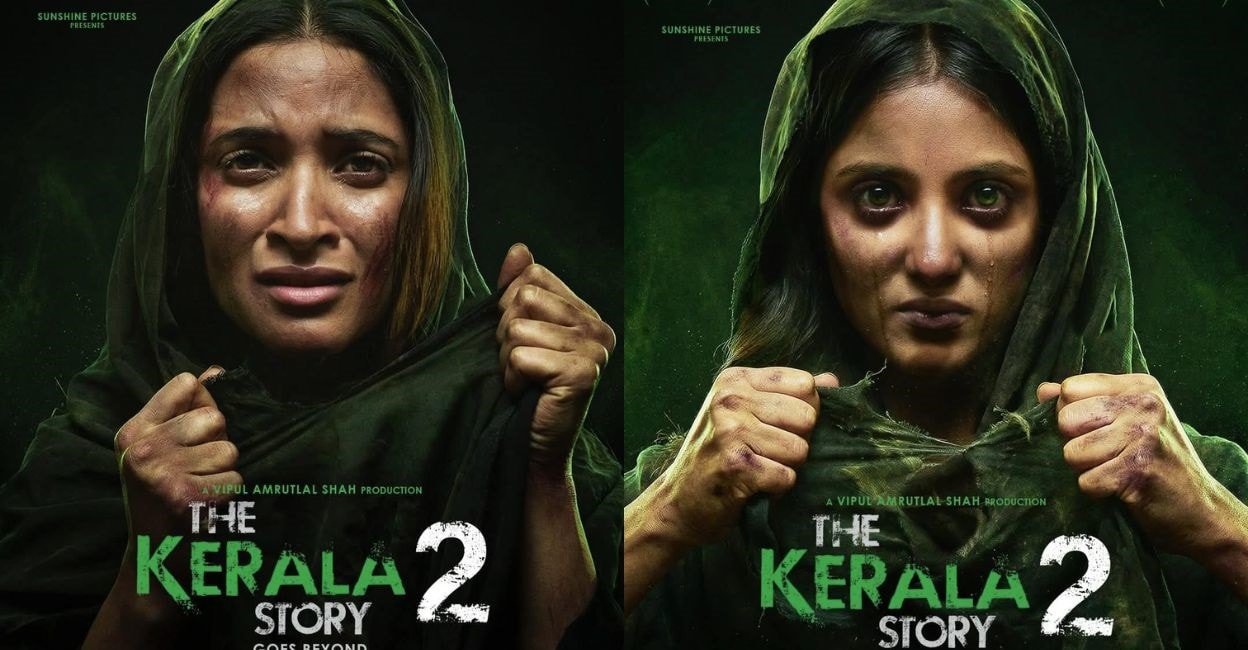
Kerala audiences have largely snubbed the controversial sequel “The Kerala Story 2 Goes Beyond” despite the film finally reaching theaters across the state following a favorable Kerala High Court ruling that lifted the previous stay order on its screening.
Multiplexes began showing the film on Saturday, but initial box office numbers and attendance reports indicate a tepid reception, with many Malayali viewers choosing to avoid the sequel altogether. This marks a significant departure from the first installment, “The Kerala Story,” which drew substantial opening-day crowds driven by curiosity and controversy.
The sequel has faced widespread criticism for its portrayal of both Muslims and Malayalis, with social media platforms becoming battlegrounds for heated discourse about the film’s content and messaging. On X (formerly Twitter), viewers have been particularly vocal in their disapproval. “Another religious propaganda disaster,” declared one user, while another described it as “worse than the first… neither subtler nor smarter, just more confident about who to fear and who deserves punishment.” Many critics argue that what could have been a hard-hitting narrative instead comes across as unintentionally comical.
The film introduces a new protagonist, Surekha Nair from Kochi, but even this attempt at localization has drawn criticism. In an early sequence, Surekha and her family are shown driving through vast paddy fields—imagery that bears little resemblance to Kochi’s urban landscape and appears more similar to Alappuzha’s backwaters. For many local viewers, this geographical inaccuracy reflects a fundamental lack of understanding about Kerala’s diverse topography and culture.
Film industry analysts note that the sequel’s struggle reflects a growing trend where controversy-driven marketing may no longer be sufficient to attract audiences, particularly when the content fails to resonate with its purported subject matter. Several theater owners, speaking on condition of anonymity, reported single-digit attendance figures for many screenings, with some shows being canceled due to lack of ticket sales.
The original film, released in 2023, became one of the year’s most divisive releases, with supporters praising it for “revealing uncomfortable truths” while critics labeled it as “harmful propaganda” that promoted religious stereotyping. It performed well in northern Indian markets despite facing bans in several states and territories.
For the sequel, production company Sunshine Pictures had hoped to capitalize on the first film’s notoriety while addressing some of the criticisms leveled against it. However, early reviews suggest that the attempt may have backfired, with even more pronounced ideological messaging overshadowing any narrative coherence.
Kerala has historically been known for its politically aware film audiences and vibrant cinema culture that embraces both commercial and art-house productions. The state regularly produces internationally acclaimed films that tackle complex social issues with nuance and depth.
“When Kerala audiences reject a film that claims to tell a ‘Kerala story,’ it speaks volumes about the authenticity of that narrative,” said a prominent film critic from the region. “Malayali viewers can distinguish between genuine engagement with our culture and outside perspectives that rely on stereotypes.”
As the weekend progresses, it remains to be seen whether word-of-mouth will improve the film’s prospects or if the initial rejection will solidify into a commercial failure. Theater owners are already considering reducing screenings if attendance doesn’t pick up by Sunday evening.
For now, it appears that the controversy that initially powered “The Kerala Story” franchise may have reached its limit with Kerala audiences, who have collectively signaled their preference for more authentic portrayals of their state and culture.
Fact Checker
Verify the accuracy of this article using The Disinformation Commission analysis and real-time sources.

8 Comments
The backlash on social media highlights how charged this topic is. Filmmakers need to be very careful when tackling complex religious and cultural issues.
I hope the filmmakers learn from this experience and strive to create more balanced and nuanced portrayals in the future. Responsible storytelling is so important.
While creative freedom is crucial, films dealing with sensitive topics like religion and culture need to be handled with great care and sensitivity.
I’m curious to learn more about the specific criticisms of how Muslims and Malayalis are depicted in the film. Nuanced storytelling is important, especially on sensitive topics.
While artistic expression is important, I agree that films shouldn’t cross the line into inflammatory rhetoric or biased portrayals. Responsible filmmaking is crucial.
The tepid box office performance suggests audiences are tired of sensationalized portrayals. Filmmakers should focus on thoughtful, well-researched narratives.
Hmm, it’s disappointing to hear that the sequel is being criticized as religious propaganda. Filmmakers should strive for balanced and thoughtful portrayals, not sensationalism.
It’s interesting that the first installment drew large crowds initially, but the sequel is struggling. Perhaps the filmmakers went too far in their messaging this time around.