


Listen to the article
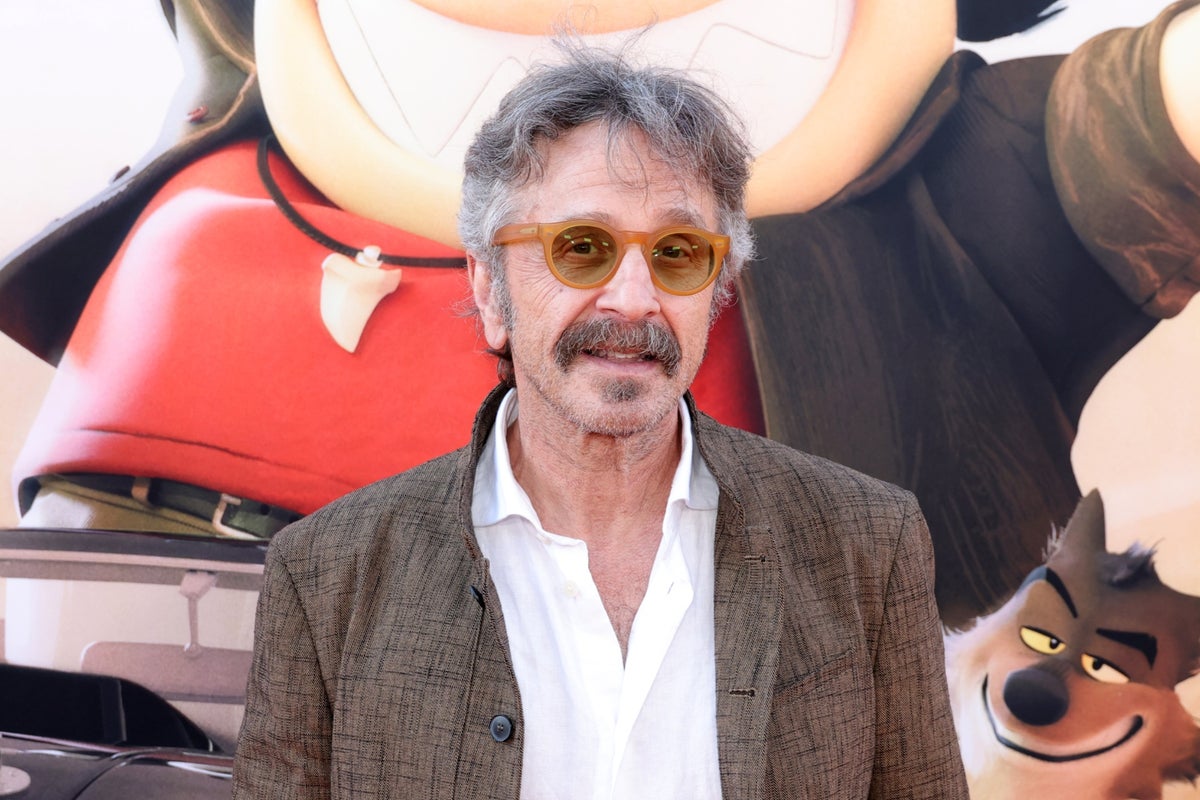
In a pointed farewell to his long-running podcast, comedian Marc Maron has delivered sharp criticism toward fellow podcasters who have platformed Donald Trump, characterizing their actions as dangerous to democracy.
Maron concluded his acclaimed “WTF with Marc Maron” podcast on Monday after an impressive 16-year run that garnered more than one billion downloads since its 2009 launch. The final episode featured an interview with former President Barack Obama, a deliberate choice that stands in stark contrast to several prominent comedian-podcasters who recently hosted Trump.
In a candid interview with The New York Times, Maron addressed the growing trend of comedians like Joe Rogan, Theo Von, and Andrew Schulz who have used their platforms to interview Trump during the 2024 election cycle.
“These guys have proven that their fan bases can be tribalized into something that I think is fundamentally dangerous,” Maron told the Times. “It’s still within the parameters of free speech — you can do whatever you want. And if you want to be used by the dominating propaganda arm of a fascistic momentum against democracy, well, I hope you’re happy with your show.”
This isn’t the first time Maron has spoken out against what he perceives as the complicity of comedians in promoting far-right ideology. Last October, he published a blog post criticizing comics who invite “shameless, self-proclaimed white supremacists and fascists” onto their programs.
“The anti-woke flank of the new fascism is being driven almost exclusively by comics, my peers,” Maron wrote at the time. “Whether they are driven by the idea that what they are fighting for is a free speech issue or whether they are truly morally bankrupt racists doesn’t matter. They are part of the public face of a fascist political movement that seeks to destroy the democratic idea.”
Maron’s decision to feature Obama in his final episode carries symbolic weight. The comedian first interviewed Obama in 2015, a conversation he describes as “an important turning point” not just for his show but for podcasting as a medium.
“I think it was a game-changing episode for podcasting in general, in terms of the attention it brought the medium,” Maron explained. “I was happy to see him again and to talk about the current administration and the world we’re living in now, but also, you know, to honor my show.”
In a climate of political divisiveness and anxiety, Maron acknowledged seeking inspiration from the former president: “It’s hard to find a way through, in terms of hope. So, I went to the hope guy.”
Maron’s podcast has stood as one of the industry’s most influential and enduring shows, with more than 1,600 episodes featuring deeply personal conversations with comedians, actors, musicians, and political figures. His intimate interview style, conducted from his garage studio, helped redefine the medium and inspired countless imitators.
When announcing the end of his podcast in June, Maron cited exhaustion as a primary factor: “We’ve put up a new show every Monday and Thursday for almost sixteen years and we’re tired. We’re burnt out. And we are utterly satisfied with the work we’ve done.”
His comments reflect the challenging landscape of podcasting, where consistent production schedules can lead to creative fatigue even as the medium continues to grow in popularity and influence.
Maron left the door open for future projects, noting, “This doesn’t mean I’m never going to do something like this again. Doesn’t mean I’ll never have talks like I do here or some kind of podcast at some point in time. But for now, we’re just wrapping things up. It’s okay. It’s okay to end things. It’s okay to try to start some other chapter in your life.”
His criticisms of politically-aligned podcasting arrive at a time when the medium has become increasingly polarized, with major platforms signing exclusive deals with controversial hosts and political figures using podcast appearances as campaign strategy. As Maron exits the stage, his final statements serve as both a personal reflection and a broader commentary on the responsibilities that come with the influential platforms comedians now command.
Fact Checker
Verify the accuracy of this article using The Disinformation Commission analysis and real-time sources.

7 Comments
I appreciate Maron’s principled stance here. Platforming Trump is a risky move that could undermine democracy. Podcasters need to carefully consider the implications of their content.
I respect Maron’s principled stance, but I wonder if there’s also value in exposing Trump’s claims to scrutiny through interviews. It’s a complex issue without simple solutions.
It’s concerning to see comedians and podcasters giving airtime to Trump’s propaganda. They have a responsibility to their audiences to provide truthful information, not amplify misinformation.
Maron makes a fair critique. Comedians and podcasters have a duty to be responsible with their influential platforms. Spreading Trump’s lies is irresponsible and dangerous.
This is a tricky situation. On one hand, free speech is paramount. On the other, amplifying misinformation can be detrimental. Podcasters must weigh these competing principles carefully.
Maron makes a fair point. Providing a platform for Trump and his false claims can indeed be dangerous. Podcasters should be more discerning about who they choose to interview, especially during election cycles.
While free speech is important, Maron raises valid concerns about the potential consequences of giving Trump a megaphone. Podcasters should think critically about the impact of their content.