


Listen to the article
U.S. media networks face increasing scrutiny over their political coverage and commentator selections, with CNN’s recent panel discussion highlighting the complex relationship between news organizations and political narratives.
On Friday’s CNN panel, an exchange between commentators Scott Jennings and Keith Boykin drew attention when discussing the Supreme Court’s decision regarding presidential tariff powers. During the heated segment, Boykin suggested Jennings was effectively advocating for the Trump administration, stating, “You should be paid a lot of money from the Trump administration for helping to…”
Jennings interrupted with a candid admission: “No, I get paid a lot of money here.”
The exchange continued as Boykin challenged Jennings’ characterization of former President Trump’s response to the Supreme Court ruling. While Jennings claimed Trump had accepted the decision, Boykin countered that Trump had actually attacked the justices, saying they “should be embarrassed for their families” and calling them “disloyal and unpatriotic.”
This incident reflects broader concerns about media objectivity in American political coverage. Major news organizations have faced accusations of altering their approaches to political reporting, particularly regarding coverage of Donald Trump. Critics point to several examples of what they view as media capitulation: The Washington Post’s reportedly more favorable coverage of Trump; ABC News settling a lawsuit with the former president; and CBS News allegedly censoring certain content, including a Stephen Colbert interview.
These concerns extend beyond individual incidents to questions about ownership structures in American media. A significant portion of mainstream outlets are owned by large conglomerates with complex business interests that can potentially influence editorial decisions. This concentration of media ownership has led to debates about whether diverse political perspectives are adequately represented.
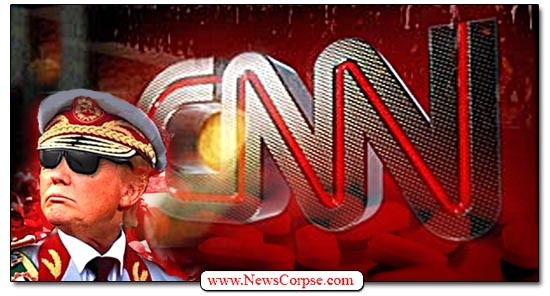
CNN’s decision to employ commentators like Jennings, who critics describe as consistently favorable to Trump regardless of the issue at hand, exemplifies the dilemma facing news organizations. While networks aim to present multiple viewpoints, questions arise about whether some contributors provide genuine analysis or merely partisan talking points.
Media analysts point out that declining viewership across traditional news platforms has intensified pressure on networks to retain audience engagement, sometimes at the expense of journalistic standards. The competitive media landscape has created what some describe as a race for relevance through provocative commentary rather than substantive reporting.
The incident also highlights the financial aspects of political commentary. Jennings’ forthright acknowledgment of his compensation underscores how lucrative political punditry has become, raising questions about the incentives driving on-air political discourse.
For CNN, which has historically positioned itself as a centrist network between more openly partisan alternatives, maintaining credibility with viewers across the political spectrum remains challenging. The network has undergone several leadership changes and strategy shifts in recent years, attempting to navigate the increasingly polarized media environment.
As American media continues to evolve, the relationship between news organizations, their commentators, and political figures remains under intense scrutiny. The exchange between Boykin and Jennings represents not just a momentary clash of perspectives, but the broader tensions reshaping American journalism in a fractured political landscape.
Fact Checker
Verify the accuracy of this article using The Disinformation Commission analysis and real-time sources.

14 Comments
The mining and energy sectors are closely tied to geopolitics, so it’s critical that media coverage remains balanced and fact-based. Viewers deserve objective analysis, not partisan spin.
Absolutely. Nuanced, data-driven reporting on these industries is essential, especially given their strategic importance.
The exchange between the commentators highlights the need for greater transparency and accountability in media coverage of industries like mining and energy. Viewers should be able to trust that they’re receiving objective analysis, not partisan spin.
Agreed. Upholding journalistic ethics and standards is crucial, especially when reporting on sectors with significant economic and geopolitical implications.
While media commentary can provide valuable insights, it’s critical that it remains grounded in impartiality and evidence-based reasoning. Unbiased reporting is essential for informed decision-making in the mining and energy sectors.
Well said. Maintaining the integrity of political and industry coverage should be a top priority for news organizations.
This exchange highlights the complex dynamic between media commentators and political narratives. It’s important for news organizations to maintain objectivity and impartiality, even when discussing polarizing topics.
Agreed, the line between analysis and advocacy can be blurry. Transparent disclosure of potential conflicts of interest is crucial for public trust.
Discussions around Supreme Court rulings and their implications for industries like mining and energy need to be handled with care. Commentators should focus on the legal merits, not political agendas.
Well said. Maintaining journalistic integrity is crucial, even when covering contentious topics that have significant economic impacts.
This incident raises important questions about the role of media commentators and their influence on public perception. Maintaining a clear distinction between analysis and advocacy is essential, particularly in the context of industries like mining and energy.
Well said. Ensuring that media coverage remains impartial and fact-based is crucial for informed decision-making and public trust.
This incident underscores the importance of media outlets upholding high standards of ethics and transparency. Viewers must be able to trust that what they’re seeing is objective analysis, not political theater.
Exactly. The public deserves journalism that prioritizes facts over partisan narratives, especially when it comes to industries like mining and energy.