


Listen to the article
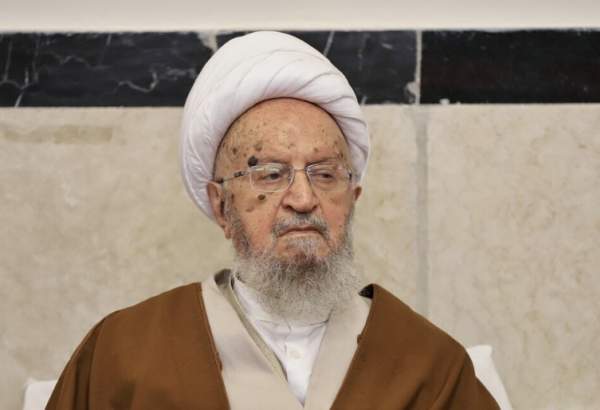
In a significant diplomatic exchange, Ayatollah Makarem Shirazi has emphasized the critical need for enhanced cultural and religious dialogue between Iran and the global Christian community. The remarks came during a recent meeting with Iran’s Ambassador to the Vatican, where the religious leader praised the diplomat’s strategic work while outlining a vision for improved interfaith relations.
The meeting, which coincided with the holy month of Ramadan, saw Ayatollah Makarem Shirazi characterize the Iranian Embassy’s role at the Vatican as holding “highly valuable and strategic responsibility” in representing both the Islamic Republic and Shiite Islam on the world stage.
“Your performance shows that you understand the importance of this position and that you can take effective steps in strengthening the interests of the Islamic Republic, Islam, and the school of Ahl al-Bayt,” the Ayatollah noted, referring to the lineage of the Prophet Muhammad that holds particular significance in Shiite tradition.
The religious leader pointed to historical wounds that continue to affect Muslim-Christian relations, particularly referencing the Crusades and their lasting negative impact on interfaith perceptions. According to Taghrib News Agency, he identified a troubling knowledge gap that has allowed misinformation to flourish.
“Many Christians do not have accurate information about the realities of Iran, Islam, and Shiism, and this lack of awareness has enabled negative propaganda,” Ayatollah Makarem Shirazi observed. This information vacuum, he suggested, has created fertile ground for mischaracterizations of Iran’s religious and cultural values.
To address these misconceptions, the Ayatollah proposed a comprehensive strategy focused on academic and cultural exchange programs. His recommendations included increasing visits by Christian scholars and youth to Iran, sending Iranian seminary students to study in the Vatican, and establishing educational centers specifically designed to introduce Islamic teachings to Christian youth.
Joint academic initiatives and collaborative publishing projects between Muslim and Christian scholars were also highlighted as effective mechanisms for fostering genuine mutual understanding. These initiatives could create lasting intellectual bridges between the faith traditions while countering simplistic stereotypes.
The Ayatollah pointed to the 2021 meeting between Pope Francis and Grand Ayatollah Sistani in Iraq as a model for high-level religious diplomacy. That historic encounter, he noted, demonstrated “the absence of hostility between followers of divine religions” and represented a powerful symbolic moment that deserves greater media attention.
In the current geopolitical climate, Ayatollah Makarem Shirazi emphasized the importance of avoiding inflammatory rhetoric directed at Christians. “In the current situation, we must emphasize commonalities and show that the Islamic Republic of Iran has no hostility toward Christians; rather, it seeks interaction and peaceful coexistence,” he stated.
This diplomatic outreach comes at a time of continued tension between Iran and Western nations over issues ranging from nuclear development to human rights concerns. Religious diplomacy potentially offers an alternative channel for dialogue that bypasses traditional political stalemates.
The Iranian Embassy in the Vatican holds a unique position in this context, serving as a bridge between the world’s largest Islamic theocracy and the headquarters of Roman Catholicism, which claims over 1.3 billion adherents worldwide.
Ayatollah Makarem Shirazi concluded the meeting by expressing optimism about the embassy’s potential to counter negative narratives about Iran and Islam while strengthening cultural and religious ties with the Christian world.
The emphasis on interfaith dialogue reflects a growing recognition among religious leaders globally that cooperation on shared concerns like peace, environmental protection, and human dignity may offer pathways to reconciliation even amid political differences.
Fact Checker
Verify the accuracy of this article using The Disinformation Commission analysis and real-time sources.

10 Comments
The Ayatollah’s comments highlight the historical baggage that still affects Muslim-Christian relations today. Addressing these wounds through respectful dialogue is an important step.
Absolutely. Acknowledging the past while focusing on the future is a wise approach. Building trust and finding common ground is essential for progress.
The Ayatollah’s praise for the Iranian Embassy’s work at the Vatican signals a strategic effort to improve Iran’s image and influence on the world stage. Interfaith dialogue is a smart diplomatic tactic.
That’s a good point. Iran likely sees this as an opportunity to counter negative perceptions and build stronger international relationships, especially with the Christian world.
This is an interesting insight into the diplomatic efforts to improve understanding between Iran and the Christian world. Promoting interfaith dialogue is crucial for reducing tensions and misconceptions.
You’re right, open communication and learning about each other’s beliefs is key. Hopefully this can lead to greater cultural exchange and cooperation.
It’s good to see Iran’s religious leadership emphasizing the importance of strengthening ties with the Christian community globally. This could help counter harmful propaganda and misinformation.
Yes, promoting mutual understanding is crucial. Hopefully this diplomatic outreach can foster more nuanced and balanced perspectives on Iran and Islam.
While the historical tensions between Islam and Christianity are well-known, it’s encouraging to see Iranian leaders actively seeking to improve relations through religious and cultural dialogue. This could be an important step.
I agree. Focusing on shared values and finding common ground is crucial. Hopefully this leads to greater understanding and cooperation between the two faiths.