


Listen to the article
Hamas Propaganda Strategy Revealed in Seized Gaza Documents
Internal documents captured in Gaza have unveiled Hamas’ extensive propaganda apparatus, designed to block normalization with Israel, train media spokespeople, mobilize international support, and isolate the Jewish state. A new study by the Meir Amit Intelligence and Terrorism Information Center provides unprecedented insight into how the terrorist organization operated a sophisticated communications network as part of its broader strategy against Israel.
The research examines Hamas’ strategic media plan for 2022-2025, which was approved by Ali al-Amoudi, then-director of the group’s media department and a close associate of Yahya Sinwar. The document, part of a multi-year framework known as “Sword of Jerusalem,” served as a blueprint for Hamas-affiliated media outlets.
According to the study, the plan established two primary objectives: strengthening the Palestinian narrative internationally and deepening psychological warfare against perceived adversaries. The 25-section document outlined detailed activities ranging from promoting Hamas values and delegitimizing Israel to reinforcing resilience within Gazan society and strengthening Islamic identity.
“The battle over public consciousness was treated as a central front in Hamas’ campaign,” the researchers note. Under a project titled “Strengthening media psychological warfare against rivals and enemies,” the organization developed tools specifically designed to demoralize and weaken Israeli society.
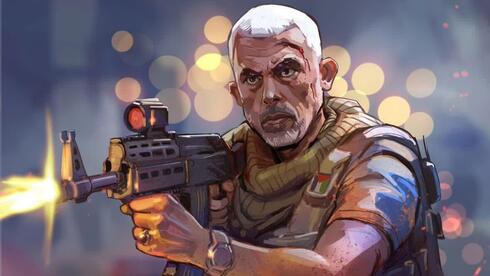
These tactics included modern digital approaches, particularly paid social media advertisements targeted directly at Israeli audiences. Hamas planned to publish reports, statements, and opinion pieces against its “enemies,” while producing videos, infographics, and cartoons highlighting alleged Israeli “failures.” The plan also embraced satirical and comedic content as psychological warfare tools.
The struggle against normalization with Israel emerged as a cornerstone of Hamas’ media strategy. The document called for aggressive campaigns rejecting any form of normalization and promoting comprehensive boycotts. It outlined plans to recruit writers and journalists to oppose diplomatic ties with Israel, urge Arab and Muslim media figures to declare boycotts, and organize digital campaigns against normalization efforts.
Perhaps most concerning was the creation of “blacklists” targeting individuals and entities accused of maintaining relations with Israel, alongside “honor lists” celebrating those who rejected such connections. This approach sought to create social pressure against normalization while amplifying voices aligned with Hamas’ position.
The terrorist organization also dedicated significant resources to shaping narratives for international audiences. A section titled “Strengthening the Palestinian narrative and creating media discourse for foreign audiences” detailed plans for an English-language news website, visual content adapted for Western consumption, and a weekly English briefing called “Palestine Report.” Hamas actively sought to recruit foreign writers and activists supportive of the Palestinian narrative.
Internal capacity building was another focus area, with plans to train English-language spokespeople and establish a media “incubator” for students. The seized materials included financial audit reports from 2021 for media outlets such as Al-Resala, Shehab, Safa, and the newspaper “Palestine.” While these outlets present themselves as independent, the study indicates they were funded and directed by Hamas as integral parts of its communications network.
Ali al-Amoudi emerges as a central figure in Hamas’ propaganda apparatus. Appointed head of the media department in 2021 and elevated to Hamas’ political bureau, al-Amoudi largely operated behind the scenes despite his influential role. Born in Gaza and residing in Khan Younis, he was arrested by Israel in 2004 for terrorist activity and sentenced to life imprisonment before being released in the 2011 Gilad Schalit prisoner exchange.
Reports indicate al-Amoudi was killed alongside other senior Hamas figures approximately two months after the outbreak of the current war. He was considered one of Sinwar’s closest confidants, with their relationship forged during shared imprisonment in Israel. Al-Amoudi served as Sinwar’s bureau chief during his first term as head of Hamas’ political bureau in Gaza from 2017 to 2021.
The documents reveal how Hamas viewed media operations as inseparable from its broader conflict strategy, with propaganda campaigns carefully coordinated with political and military objectives. By exposing these internal plans, the study provides valuable insight into how terrorist organizations increasingly leverage sophisticated media operations to advance their aims in modern asymmetric conflicts.
Fact Checker
Verify the accuracy of this article using The Disinformation Commission analysis and real-time sources.

12 Comments
The use of cartoons and other media tactics to sway public opinion is concerning. However, it’s important to recognize that this is a tactic employed by many actors, not just Hamas.
You make a fair point. Propaganda and information warfare tactics are sadly widespread. Maintaining objectivity and scrutinizing sources is key to navigating these complex issues.
The revelation of Hamas’ strategic media plan is certainly eye-opening. It underscores the importance of monitoring and analyzing the communication strategies of various parties in conflict zones.
Absolutely. Comprehensive intelligence gathering and objective analysis are critical for policymakers and the public to navigate these complex information environments effectively.
This investigation highlights the need for increased transparency and accountability when it comes to the use of propaganda and covert information operations. Rigorous journalistic scrutiny is crucial.
Well said. Shining a light on these tactics, regardless of the source, is essential for promoting informed discourse and decision-making. Maintaining media integrity is paramount.
Interesting insights into Hamas’ sophisticated propaganda apparatus. While the group’s aims may be concerning, it’s valuable to understand their strategic approach and communication tactics.
Indeed, this investigation provides a rare glimpse into the inner workings of Hamas’ media operations. Gaining such visibility is critical for evaluating their narratives and influence.
While the report sheds light on Hamas’ propaganda efforts, I’m curious to hear more about the broader geopolitical context and the role of other regional actors in this information battle.
That’s a good question. Understanding the larger dynamics at play, including the influence of other state and non-state actors, would provide valuable context for evaluating the full scope of this issue.
This report highlights the complex information warfare dynamics at play in the region. It’s a sobering reminder of the need for rigorous, impartial analysis to cut through the noise and propaganda.
Agreed. Discerning fact from fiction is vital, especially when it comes to sensitive geopolitical conflicts. A critical eye is essential for understanding the full context.