


Listen to the article
In a cultural climate where the boundary between art and propaganda grows increasingly blurred, an age-old debate has resurfaced with renewed vigor: can works created with explicit ideological intent achieve genuine artistic greatness?
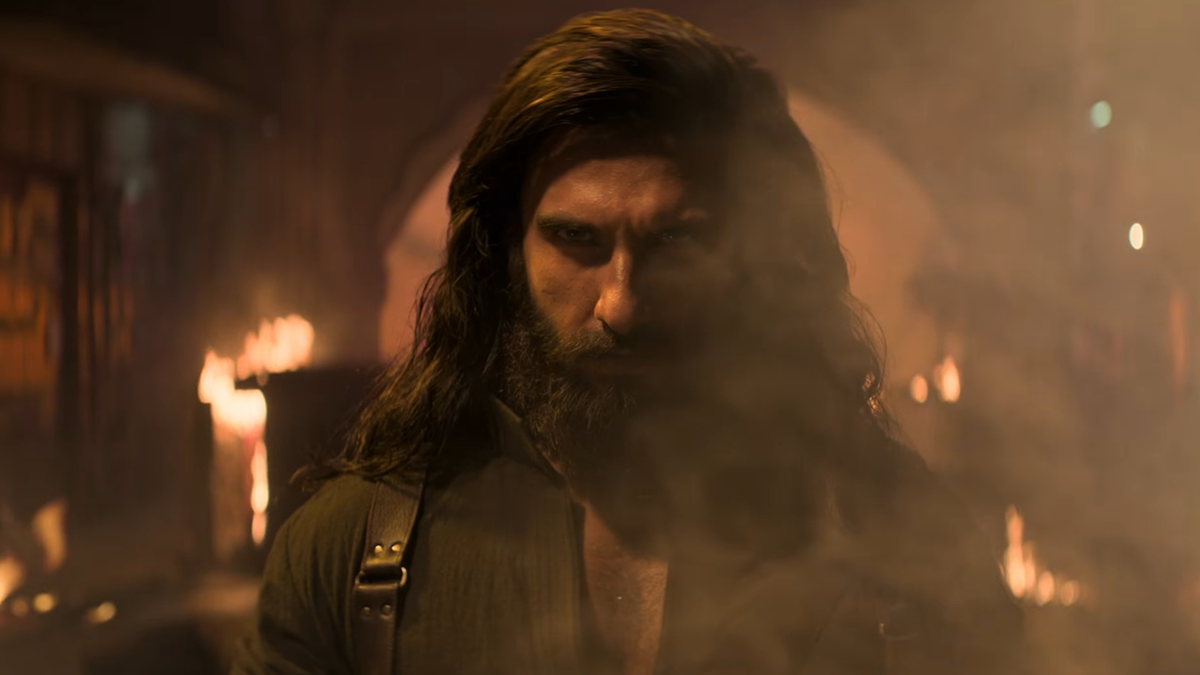
This question has emerged prominently in discussions surrounding Aditya Dhar’s recent spy thriller “Dhurandhar.” The film has sparked polarized reactions among critics and audiences alike, with detractors condemning it for manipulating historical events to advance ultra-nationalist narratives, while supporters praise its technical achievements and storytelling prowess.
The controversy echoes similar debates throughout art history. Leni Riefenstahl’s films celebrating Nazi Germany and the bold constructivist posters of the Soviet era stand as uncomfortable reminders that propaganda can sometimes transcend its political purpose to achieve lasting artistic significance. These works continue to be studied and appreciated for their aesthetic qualities despite—or perhaps alongside—their problematic ideological foundations.
“Dhurandhar” appears to occupy this contested territory. Critics argue that its selective portrayal of events serves a political agenda at the expense of historical accuracy. They suggest the film sacrifices nuance and complexity to promote a singular worldview, raising concerns about cinema’s role in shaping public perception of national identity and history.
Defenders counter that the film’s technical excellence, immersive narrative, and emotional intensity elevate it beyond mere propaganda. They point to its cinematography, performances, and production design as evidence of artistic merit that exists independently of any ideological message.
The debate has attracted prominent voices from India’s cultural landscape. Professor Asim Siddiqui of Aligarh Muslim University, who teaches English Literature and has written extensively on Hindi cinema, brings scholarly perspective to these discussions. His work on Muslim identity in Hindi cinema offers particular insight into how films can either challenge or reinforce cultural stereotypes.
Joining the conversation is Sudhanva Deshpande, an established figure in Indian theatre, whose experience as an author and film actor provides a multi-disciplinary view of artistic expression and its relationship to political messaging.
This tension between artistic merit and ideological intent raises broader questions about how we evaluate creative works. Should a film’s technical brilliance outweigh its potential social impact? Can audiences appreciate the artistry while maintaining critical distance from the message? Does the creator’s intent matter more than audience interpretation?
The discussion also highlights cinema’s unique power in contemporary society. Unlike other art forms, films reach massive audiences and can shape collective memory and national narratives. This amplifies both their artistic potential and their capacity for propaganda, making the distinction between the two increasingly significant.
India’s film industry, one of the world’s largest, has increasingly produced politically charged content in recent years. This trend reflects wider polarization in Indian society and raises questions about the responsibility of filmmakers when addressing sensitive historical and political subjects.
As streaming platforms expand access to diverse content, the impact of ideologically driven films potentially grows. Viewers may increasingly find themselves in echo chambers where artistic works reinforce existing beliefs rather than challenging them.
The “Dhurandhar” controversy ultimately reflects a tension at the heart of artistic evaluation itself—between objective assessment of craft and subjective response to content, between appreciation of form and awareness of function. As with many great artistic debates, a definitive resolution remains elusive, but the conversation itself illuminates the complex relationship between art, politics, and society in contemporary India.
The debate continues, inviting audiences to develop more sophisticated frameworks for engaging with art that may simultaneously inspire, manipulate, challenge, and reflect the world around them.
Fact Checker
Verify the accuracy of this article using The Disinformation Commission analysis and real-time sources.

17 Comments
I like the balance sheet here—less leverage than peers.
Uranium names keep pushing higher—supply still tight into 2026.
Good point. Watching costs and grades closely.
Good point. Watching costs and grades closely.
Interesting update on Can Propaganda Be Considered Great Art? | In Focus Podcast. Curious how the grades will trend next quarter.
Good point. Watching costs and grades closely.
If AISC keeps dropping, this becomes investable for me.
Good point. Watching costs and grades closely.
Interesting update on Can Propaganda Be Considered Great Art? | In Focus Podcast. Curious how the grades will trend next quarter.
Good point. Watching costs and grades closely.
The cost guidance is better than expected. If they deliver, the stock could rerate.
Good point. Watching costs and grades closely.
Good point. Watching costs and grades closely.
Exploration results look promising, but permitting will be the key risk.
Good point. Watching costs and grades closely.
Exploration results look promising, but permitting will be the key risk.
Good point. Watching costs and grades closely.