


Listen to the article
Burkina Faso grapples with deadly terror attacks as extremist violence intensifies across the country, with at least twenty people killed in a series of coordinated assaults in the northern and eastern regions over a four-day period.
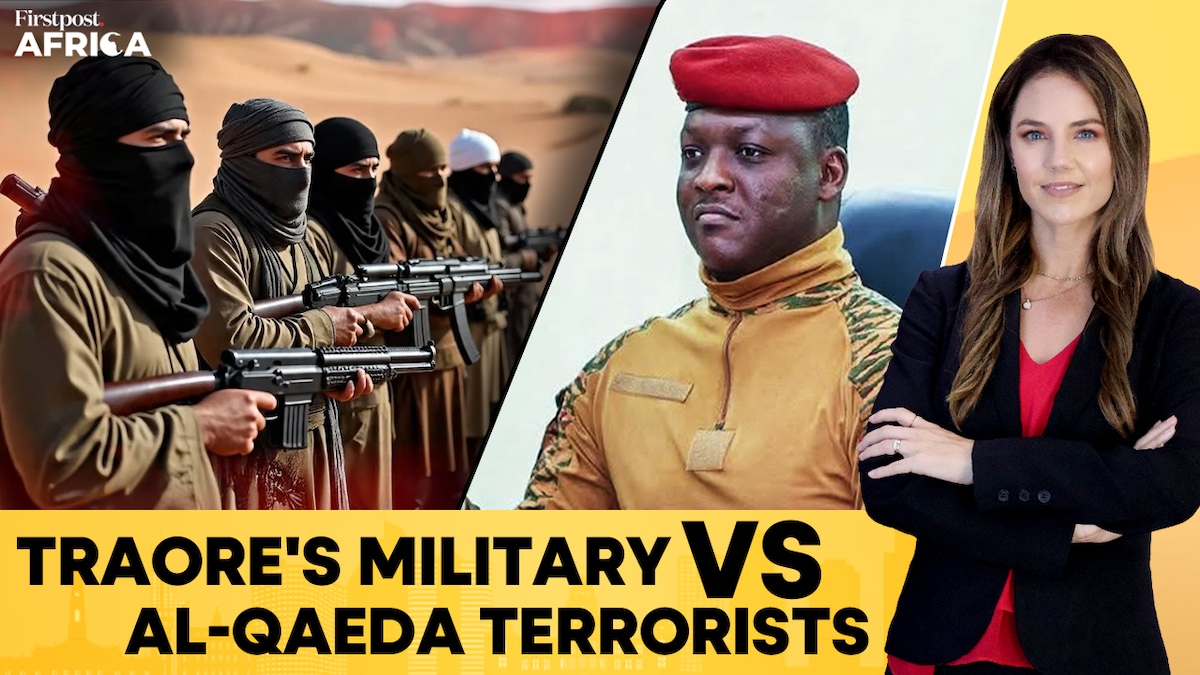
The military government, led by Captain Ibrahim Traore, has confirmed these attacks, which primarily targeted military positions but also claimed civilian lives. In Titao, a northern town near the Mali border, approximately ten civilians perished in what officials described as the deadliest of the recent incidents.
In a particularly gruesome attack, seven Ghanaian traders were killed and their bodies burned. These merchants had been transporting tomatoes, highlighting how the violence is disrupting essential cross-border commerce in the region, which many local economies depend upon.
The Al-Qaeda-affiliated group Jama’at Nusrat al-Islam wal-Muslimin (JNIM) has claimed responsibility for the attacks. In statements released through their communication channels, JNIM asserted they had killed numerous Burkinabe soldiers, though these claims remain unverified by independent sources or government officials.
“The Burkinabe armed forces successfully repelled several attempted incursions,” a military spokesperson said in a statement, though they did not provide specific casualty figures or operational details, citing security protocols.
The recent surge in violence comes amid growing concerns about the deteriorating security situation across the Sahel region. Burkina Faso, once considered relatively stable, has been battling an Islamist insurgency that spilled over from neighboring Mali in 2015, and has since engulfed large portions of the country’s territory.
Security analysts note that these attacks represent a significant challenge to Captain Traore’s military government, which took power in September 2022 promising to restore security to the troubled nation. The junta justified its coup largely on the previous government’s failure to contain the spreading insurgency.
“The military regime is now facing the same difficulties as its predecessors in controlling territory and protecting civilians,” said Rinaldo Depagne, West Africa analyst at the International Crisis Group. “These repeated attacks demonstrate the militants’ continued operational capabilities despite government claims of progress.”
The violence has created one of the world’s fastest-growing humanitarian crises. According to United Nations figures, nearly two million Burkinabes—approximately 10% of the population—have been displaced internally due to the conflict, with thousands more fleeing to neighboring countries.
The attacks also highlight the complex regional dimension of the security crisis. Ghana, which had largely been spared the violence affecting its northern neighbors, now faces direct consequences with the killing of its citizens. This raises concerns about further regional destabilization and potential spillover effects.
Burkina Faso’s government has increasingly turned to Russia for security assistance after expelling French forces in 2023, ending a decade-long military partnership with its former colonial ruler. The pivot toward Moscow has included the arrival of Russian military instructors and equipment, though their impact on improving security remains debated.
Meanwhile, the government has intensified efforts to counter what it terms “terrorist propaganda,” establishing communication channels to highlight military successes and mobilize public support. However, independent verification of both government and militant claims remains challenging due to limited access to conflict zones.
As Captain Traore’s regime approaches its second year in power, the continued violence underscores the entrenched nature of the insurgency and the significant challenges facing security forces in restoring stability to the landlocked West African nation.
Regional experts warn that without addressing underlying governance issues, socioeconomic grievances, and intercommunal tensions that fuel the conflict, military solutions alone may prove insufficient to reverse Burkina Faso’s security crisis.
Fact Checker
Verify the accuracy of this article using The Disinformation Commission analysis and real-time sources.

10 Comments
Tragic to see the intensifying extremist violence in Burkina Faso. The government’s efforts to combat propaganda and protect civilians are critical, but tackling the root causes of this conflict will be a long-term challenge.
Agreed. Securing borders and trade routes will be crucial to restoring stability and economic security in the region.
The impact of the violence on cross-border trade and local economies is very concerning. Restoring economic stability and resilience must be a key part of the government’s response, alongside its security efforts.
Agreed. Supporting affected businesses and communities will be crucial to rebuilding livelihoods and fostering long-term stability.
The government’s efforts to counter extremist propaganda are critical, but the persistence of these attacks underscores the need for a comprehensive, multi-faceted strategy to address the root causes of the conflict.
Absolutely. Sustainable peace will require addressing economic, social, and political grievances, in addition to the security response.
The situation in Burkina Faso is deeply concerning. Protecting civilians and disrupting the extremists’ propaganda and recruitment efforts must be top priorities for the military government. Cooperation with neighboring countries will be key.
Absolutely. Stronger regional coordination on security, intelligence sharing, and economic development will be essential to addressing this complex crisis.
These attacks highlight the fragility of the security situation in Burkina Faso. While the government’s efforts to counter extremist propaganda are important, a comprehensive strategy addressing the underlying drivers of the conflict is urgently needed.
It’s troubling to see the deadly toll of these attacks, both on military and civilian targets. The government faces a complex challenge in combating the extremist threat while also protecting vulnerable populations.