


Listen to the article
Bristol’s Annual Radical History Festival to Spotlight Media Propaganda and Historical Narratives
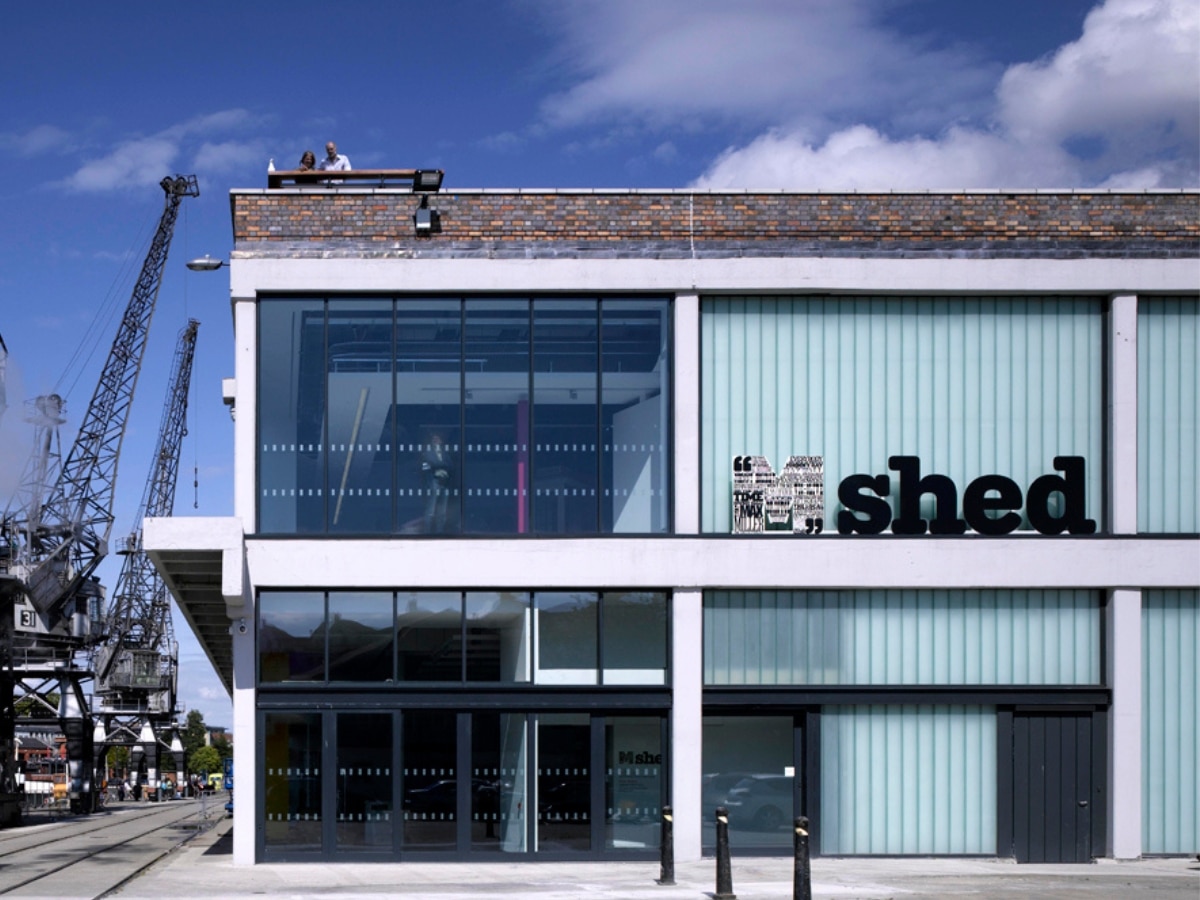
The eighth edition of the Bristol Radical History Festival will return next month, offering a two-day exploration of historical themes with a particular focus on propaganda through the ages. The event begins Saturday, April 25, at the M Shed museum before moving to The Cube Microplex on Sunday, April 26.
This grassroots festival, organized entirely by local volunteers without institutional funding, will feature a diverse program of talks, panel discussions, films, guided history walks, and exhibitions accessible to both academic historians and curious newcomers.
Propaganda serves as one of four central themes for this year’s gathering, examining how information has been manipulated to shape public opinion across centuries. Steve Poole from the University of the West of England will open Saturday’s program with an analysis of how state propaganda was deployed to counter revolutionary threats in 1790s Britain—a period when authorities feared the spread of radical ideas from revolutionary France.
Moving to the 20th century, researcher Riley Linebaugh will discuss a lesser-known aspect of British colonial history: the systematic destruction and removal of documents by UK government officials from East African colonies as they approached independence, effectively erasing historical records that might have proved embarrassing or legally problematic.
Media censorship during the Troubles in Northern Ireland will be examined by Dr. Lucy Goodison and Colin Thomas, both former BBC employees. Their firsthand accounts will reveal how successive British governments attempted to restrict BBC coverage of Ireland-related policies in the 1970s, and how journalists fought to maintain editorial independence.
The historical perspective will be connected to contemporary concerns through a session featuring Nicholas Jones, a former BBC correspondent, and Dorothy Byrne, previous Head of Channel 4 News. They will discuss the evolution of media propaganda and the growing phenomenon of journalistic self-censorship in today’s news environment.
The festival’s most timely session will feature Ghada Dimashk and Barney Cullum examining citizen journalism during the recent Gaza conflict. Their presentation will explore how Palestinians have become primary producers of historical documentation through social media—platforms ultimately controlled by American technology companies—and the challenges faced by ordinary archivists working to preserve endangered digital records as historical evidence.
Sunday’s program at The Cube Microplex will continue exploring these themes and others, offering attendees a chance to engage with critical historical narratives often overlooked in mainstream discourse.
“Whether you are an academic or curious first timer, a lifelong Bristolian or just down for the day, all are welcome,” emphasized a festival spokesperson. This inclusive approach reflects the Bristol Radical History Group’s commitment to making historical knowledge accessible to everyone, regardless of background.
The festival represents a significant event in Bristol’s cultural calendar, a city with its own complex historical legacy including ties to the transatlantic slave trade and workers’ movements. By examining how propaganda has functioned throughout history, organizers hope to provide context for understanding contemporary media narratives and information landscapes.
The volunteer-run event finances itself primarily through book sales and relies on members donating their time to organize and run the festival. This independent structure allows the festival to maintain editorial freedom and explore potentially controversial historical topics without institutional constraints.
A complete program of events can be found on the Bristol Radical History Group’s website at brh.org.uk. All events are free to attend.
Fact Checker
Verify the accuracy of this article using The Disinformation Commission analysis and real-time sources.

14 Comments
Kudos to the volunteers organizing this grassroots festival. Examining propaganda through the lens of history is a crucial exercise, especially in today’s polarized media landscape. I’ll be following the event coverage with great interest.
This festival sounds like a must-attend event for anyone concerned about the spread of misinformation and the manipulation of information. I hope the organizers are able to shine a light on some lesser-known historical case studies.
Yes, exploring propaganda tactics from different eras could yield valuable parallels and warnings for modern society. I’m glad this event is taking a multi-disciplinary approach.
This sounds like a fascinating look at the historical use of propaganda. It’s important to understand how information has been manipulated over time to shape public opinion. I’m curious to learn more about the specific examples they’ll be covering.
Yes, examining propaganda from the 1790s and 20th century should provide valuable historical context. It will be interesting to see how techniques and motivations have evolved.
The focus on propaganda is timely given the prevalence of misinformation and disinformation in our digital age. I hope this festival encourages more critical thinking about how information is presented and manipulated.
Agreed. Developing media literacy skills is vital for citizens to make informed decisions. This festival could provide important historical context for understanding contemporary propaganda tactics.
This festival seems like a great opportunity to learn about the insidious ways propaganda has been used to control narratives throughout history. I hope the organizers are able to attract a diverse audience and spark important discussions.
Yes, the multi-disciplinary approach combining history, media studies, and current affairs is really appealing. I’m curious to see how the speakers contextualize propaganda’s evolution over time.
As someone who values truth and transparency, I’m glad to see an event focused on unpacking the mechanisms of historical propaganda. Building awareness around these issues is crucial for strengthening democratic discourse.
As someone with an interest in history and current affairs, I’m really looking forward to this festival. Gaining insights into how propaganda has been used to shape narratives over time could provide important lessons for the present day.
As someone with an interest in media studies, I’m really excited about this festival. Analyzing historical propaganda techniques could shed light on the origins of modern-day information warfare. I’ll be keeping an eye out for any livestreams or recordings from the event.
The Bristol Radical History Festival seems like a great platform to explore this critical topic in a balanced, academic manner. Propaganda is a complex issue, so I’m glad to see it will be approached from multiple angles and perspectives.
Agreed. Unpacking historical propaganda is crucial for developing media literacy and understanding the forces that can influence public discourse.