


Listen to the article
El Paso musician Jim Ward has publicly objected to the unauthorized use of his music in a U.S. Border Patrol social media video featuring border wall construction activities. The frontman for acclaimed bands Sparta and At the Drive-In expressed his disapproval after discovering that Sparta’s song “Air” was used as background music in propaganda footage.
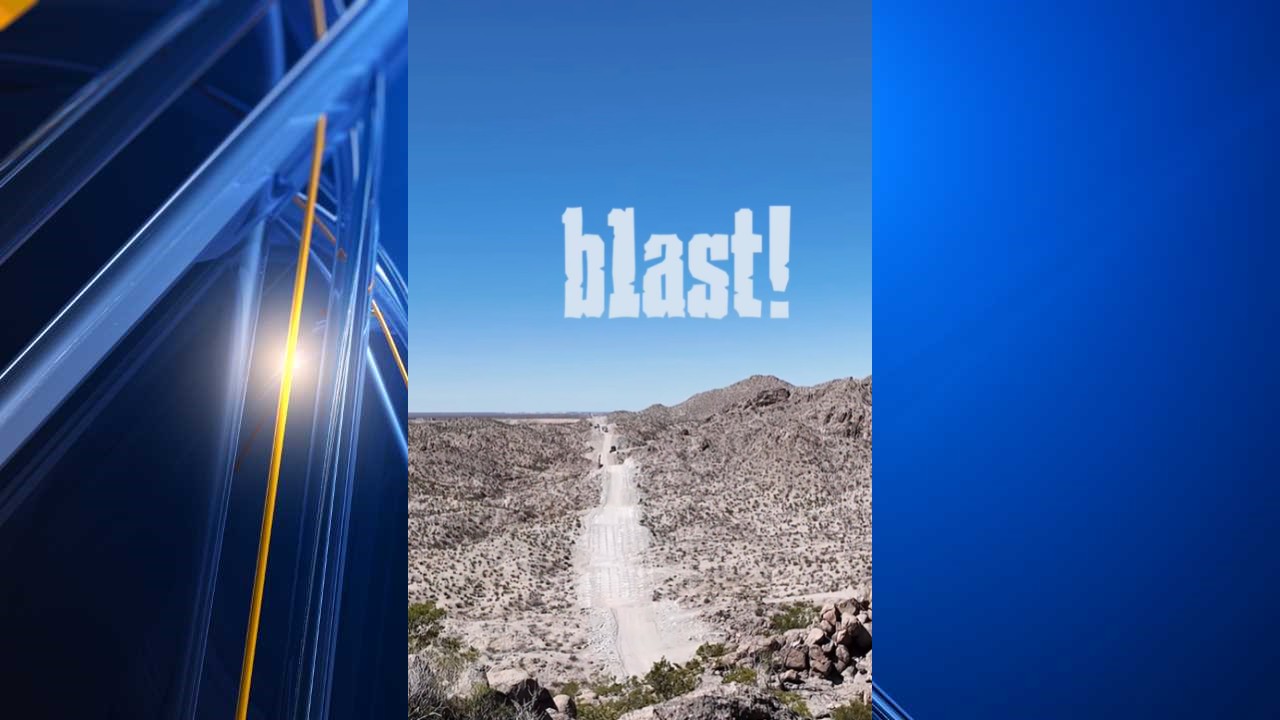
The video, posted to the U.S. Border Patrol El Paso Sector’s Instagram account, depicted controlled blasts being conducted near Mount Cristo Rey in Sunland Park, New Mexico. Ward first addressed the situation on his personal Instagram account on Tuesday, making his position clear to fans and followers.
“I’m not going to report it or give it any attention, but please know we are aware of our song being used in a border wall propaganda video and are working on having it removed,” Ward wrote. “You absolutely know we are appalled.”
In a follow-up phone interview with KTSM 9 News on Wednesday, Ward elaborated on his concerns while attempting to moderate the public response. Despite his strong disagreement with the video, he emphasized that he didn’t want his fans to aggressively target Border Patrol over the incident.
The musician framed the issue as one of artistic integrity and control over his creative work. Ward explained that he does not license his music for product promotion and objects to its use in contexts that conflict with his personal values. He specifically noted that he “doesn’t condone what Border Patrol is doing” regarding border wall construction.
This incident highlights the ongoing tensions in El Paso and other border communities regarding immigration policies and border enforcement measures. The Trump administration’s border wall construction has been particularly contentious in the region, with many local residents and community leaders expressing opposition to the project.
Ward, a prominent figure in El Paso’s music scene for decades, has deep roots in the border community. His bands have achieved international acclaim while maintaining connections to their hometown. As a respected voice in the community, Ward’s objection carries significant weight locally.
The unauthorized use of music in political or governmental content has become an increasingly common issue for musicians across the political spectrum. Artists frequently find their work appropriated without permission in contexts that may contradict their personal beliefs or artistic intentions.
According to Ward, he is currently working with his legal team to have the song removed from the Border Patrol video. The outcome of this effort could have implications for how government agencies approach the use of copyrighted material in their social media campaigns.
Ward is scheduled to appear on KTSM 9 News and on the “Second Cup” program with Mike and Tricia on KTSM+ Thursday morning to discuss the situation in greater detail. These appearances will likely provide further insight into his perspective on the unauthorized use of his music and his broader views on border policies.
The incident underscores the complex intersection of art, politics, and border issues in a city that sits at the crossroads of two nations. For many El Pasoans, the border represents both a physical reality and a deeply personal aspect of their cultural identity—making controversies like this particularly resonant in the community.
Fact Checker
Verify the accuracy of this article using The Disinformation Commission analysis and real-time sources.

11 Comments
This is a delicate situation, and Ward’s approach of engaging legal counsel while avoiding inflammatory public statements seems prudent. Navigating the intersection of art, politics, and intellectual property can be tricky.
Ward’s response strikes a balance between protecting his rights and avoiding escalation. Handling this dispute through legal channels rather than a public showdown is a wise move. Curious to see how the Border Patrol responds.
Agreed. Ward’s measured approach is commendable. Hopefully, the Border Patrol will cooperate and remove the video, respecting the artist’s wishes and intellectual property rights.
This is a complex issue involving intellectual property, political messaging, and social tensions. Ward’s response of working to remove the video, rather than stoking outrage, seems like the responsible choice here.
This is a complex issue, and Ward’s decision to engage legal counsel while avoiding inflammatory public statements is understandable. Protecting artistic rights while navigating sensitive political contexts is challenging.
This is a tricky situation. While the unauthorized use of copyrighted music is problematic, Ward seems to be handling it diplomatically by working to have the video taken down rather than escalating the dispute. It will be interesting to see how this unfolds.
Agreed. Ward is taking a measured approach, which is wise given the sensitive nature of the subject matter. Avoiding further inflaming tensions is probably the best path forward.
Curious to see how this plays out. Ward is taking the high road by trying to resolve the situation privately rather than turning it into a public battle. Hopefully, the Border Patrol will respect his wishes and remove the video.
Agreed. Ward appears to be acting in good faith, and the Border Patrol should honor his request to remove the unauthorized use of his music. A collaborative resolution would be the best outcome.
I appreciate Ward’s stance here. Engaging legal counsel is prudent, but his desire to avoid a public spectacle is admirable. Balancing his artistic rights with the broader political context must be challenging.
Yes, Ward seems to be trying to navigate this carefully. As an artist, he has valid concerns, but he also recognizes the need to avoid fueling further division. A thoughtful approach is warranted.