


Listen to the article
In an era where social media scrutiny has heightened sensitivity around nationalist themes in cinema, the producers of “Border 2” are pushing back against critics who label patriotic films as propaganda. The war drama, which depicts the 1971 India-Pakistan conflict, arrived in theaters globally on January 23, featuring a star-studded cast including Sunny Deol, Varun Dhawan, Diljit Dosanjh, and Ahan Shetty portraying officers across India’s military branches.
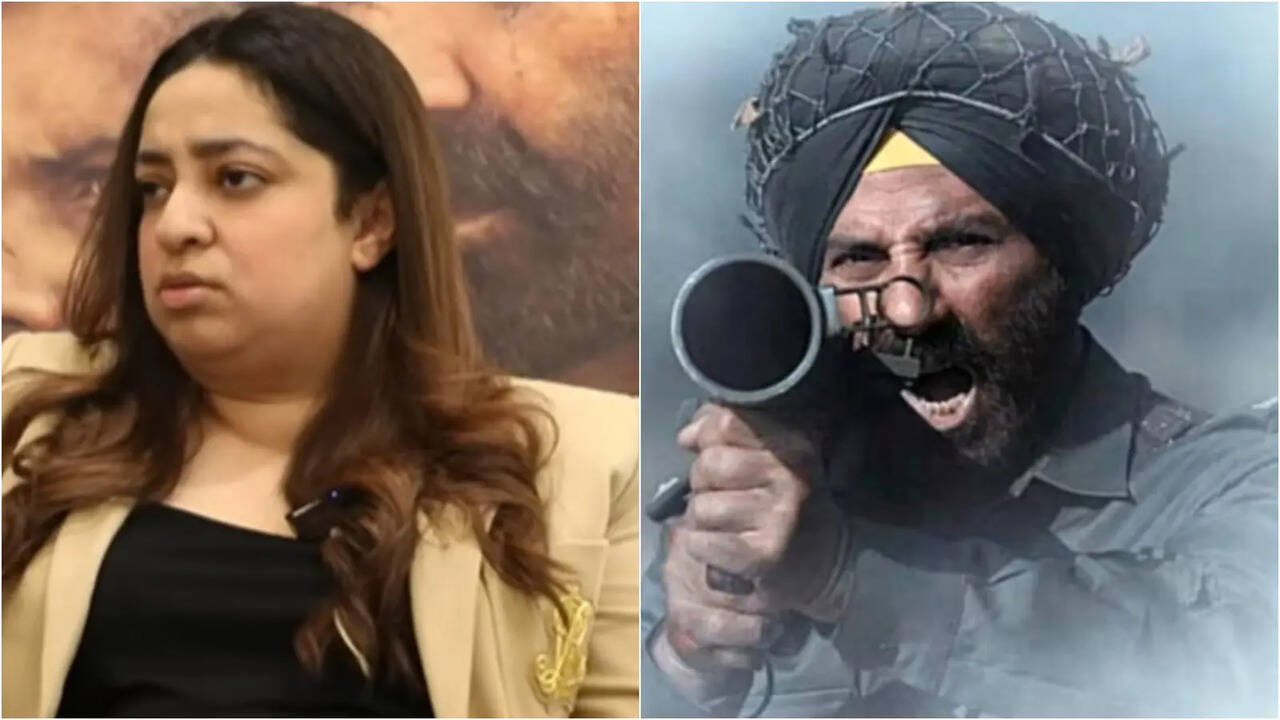
In an exclusive interview with Zoom, co-producer Nidhi Dutta addressed the increasingly common characterization of military-themed films as propaganda pieces. Dutta, who produced the film alongside industry veterans Bhushan Kumar and JP Dutta, defended the film’s patriotic stance, asserting that the concept of propaganda shouldn’t be applied when depicting the Indian Armed Forces, whose service she considers essential for civilian safety.
The 1971 conflict, which led to the creation of Bangladesh (formerly East Pakistan), remains one of the most significant military engagements in South Asian history. This context makes “Border 2” particularly relevant as it explores a defining moment in India’s military past that continues to shape regional politics and national identity.
The debate surrounding patriotic cinema in India has intensified in recent years, with critics arguing that some films blur the line between historical representation and nationalistic messaging. This discussion occurs against a backdrop of increasing global awareness about how media narratives can influence public perception of historical events and national identities.
“Border 2” follows in the footsteps of its predecessor, the 1997 film “Border,” which became a cultural phenomenon in India. The original film, also produced by JP Dutta, was based on the Battle of Longewala during the 1971 war and is widely regarded as one of the most influential war films in Indian cinema history.
The sequel arrives at a time when war dramas have seen renewed commercial success in India, with films like “Uri: The Surgical Strike” and “Sam Bahadur” performing well at the box office. This trend indicates a strong market appetite for military-themed entertainment that celebrates the achievements of India’s armed forces.
The casting choices for “Border 2” reflect a strategic blend of established stars and emerging talent. Sunny Deol, who appeared in the original “Border,” brings continuity to the franchise, while younger actors like Varun Dhawan and Ahan Shetty appeal to contemporary audiences. Diljit Dosanjh’s inclusion adds another dimension, as the actor-singer has a significant following across both India and international markets.
The film’s release strategy—launching just ahead of India’s Republic Day celebrations on January 26—appears calculated to capitalize on the patriotic sentiment that typically peaks during this period. This timing has become a common practice for films with nationalist themes in the Indian market.
Production companies T-Series, JP Films, and Bhushan Kumar’s T-Series have invested considerably in the project, highlighting the commercial potential they see in war dramas with patriotic messaging. The collaboration brings together different strengths: T-Series’ marketing power, JP Films’ experience with war narratives, and the creative vision of the production team.
As audiences and critics respond to “Border 2,” the conversation around patriotism in cinema is likely to continue. The producers’ stance reflects a broader sentiment within sections of the Indian film industry that patriotic storytelling serves a cultural purpose beyond entertainment—preserving historical memory and honoring military sacrifice.
Whether “Border 2” will achieve the cultural impact of its predecessor remains to be seen, but its arrival underscores the enduring appeal of war narratives in Indian cinema and the complex relationship between entertainment, history, and national identity in contemporary media landscapes.
Fact Checker
Verify the accuracy of this article using The Disinformation Commission analysis and real-time sources.

8 Comments
The producer’s comments about not characterizing military-themed films as propaganda are thought-provoking. There’s certainly a place for patriotic storytelling, but it will be interesting to see how this film handles the sensitive issues surrounding the 1971 conflict.
The 1971 India-Pakistan conflict is certainly a significant and complex part of South Asian history. It’s good to see filmmakers aiming to explore this important military engagement, though the line between patriotism and propaganda can be tricky to navigate.
I agree, it’s a delicate balance. Depicting the selfless service of the armed forces doesn’t have to be viewed as propaganda, but the filmmakers will have to be thoughtful in their approach.
It’s good to see the filmmakers pushing back against the ‘propaganda’ label for patriotic military films. Depicting the sacrifices and service of the armed forces doesn’t have to be propaganda. Looking forward to seeing how they navigate this complex historical event.
Interesting to hear the producer’s perspective on the film’s patriotic depiction of the armed forces. It’s a sensitive topic, but their stance that it’s not mere propaganda seems reasonable. Curious to see how the film portrays this pivotal moment in history.
The producer’s defense of the film’s patriotic stance is interesting. Depicting the selfless service of the military doesn’t have to be propaganda, but it will be important for the filmmakers to handle the sensitive historical context with care.
The 1971 India-Pakistan war was a pivotal moment in history, so it makes sense for filmmakers to explore that through the lens of the armed forces. Curious to see how they balance the patriotic elements with a nuanced portrayal of the conflict.
Appreciative of the producer’s perspective on not labeling military-themed films as propaganda. Exploring the Indian armed forces’ role in pivotal historical events like the 1971 conflict can be valuable storytelling, as long as it’s done thoughtfully.