


Listen to the article
Nidhi Dutta Defends Border 2 Against “Propaganda” Labels
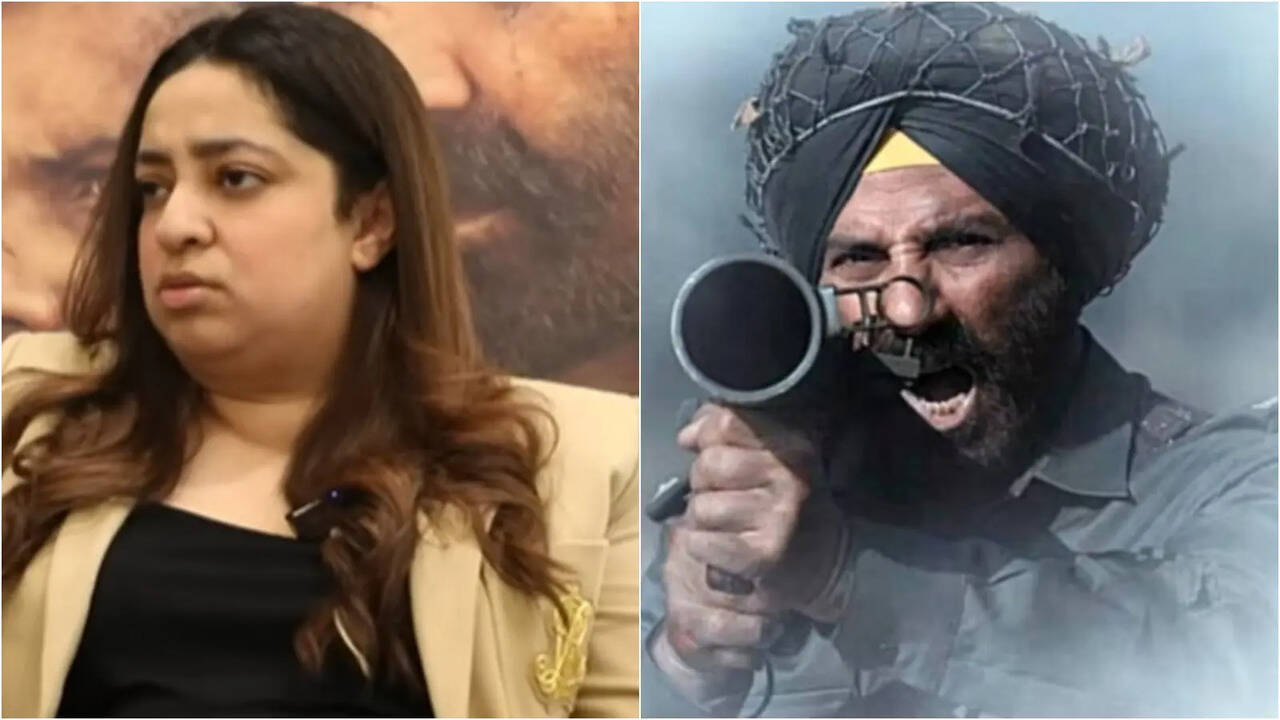
In an era where patriotic films frequently face intense scrutiny on social media, “Border 2” co-producer Nidhi Dutta has pushed back against critics who label military-themed movies as propaganda. Speaking exclusively to Zoom, Dutta addressed the controversy surrounding the war drama that depicts the 1971 India-Pakistan conflict.
“Military personnel are not involved in any form of propaganda. Their mission is to safeguard us,” Dutta emphasized during the interview. She further suggested that without the armed forces’ protection, “the drones from our friendly neighbors would be right here in this office at this moment,” highlighting what she sees as very real security threats.
Released globally on January 23, “Border 2” features an ensemble cast including Sunny Deol, Varun Dhawan, Diljit Dosanjh, and Ahan Shetty portraying personnel from different branches of India’s military services. The film serves as a sequel to the 1997 hit “Border,” which remains one of the most celebrated Indian war films.
Dutta, the eldest daughter of acclaimed filmmaker JP Dutta, collaborated with Bhushan Kumar’s T-Series to produce the film under JP Dutta Films. Her father directed the original “Border,” which has maintained a strong cultural presence in India’s cinematic landscape for over two decades.
Expressing her frustration with critics, Dutta questioned the patriotism of those using the propaganda label. “Using that term for the armed forces is inappropriate. It is an incredibly selfless act for soldiers to stand their ground,” she stated. “If I don’t share their narratives, I feel I am not honoring my country. To those labeling it as propaganda, I would like to inquire, what contributions have you made for your nation?”
The film chronicles the journey of Colonel Fateh Singh Kaler (Sunny Deol) from the 6 Sikh Regiment, who mentors three officers played by Dhawan, Dosanjh, and Shetty as they rise through the ranks in their respective military branches. Their camaraderie forms the emotional core of the narrative before they must prioritize national duty during a Pakistani offensive against India.
In a notable narrative choice that connects the two films, the sequel’s timeline intersects with the original “Border,” referencing characters portrayed by Akshaye Khanna and Suniel Shetty in the 1997 film. This continuity has resonated with audiences familiar with the first installment.
The supporting cast includes prominent actors Mona Singh, Anya Singh, Sonam Bajwa, and Medha Rana, rounding out a production that balances military action with personal drama. The screenplay was crafted by Nidhi Dutta herself, demonstrating her multi-faceted involvement in the project.
The film has not been without controversy beyond the propaganda debate. Due to its portrayal of Pakistan, “Border 2” has reportedly been banned in six Gulf nations, limiting its international release. This regional rejection highlights the political sensitivities that still surround depictions of the India-Pakistan conflicts.
The “propaganda” label has become increasingly common for patriotic Indian films in recent years, particularly those depicting military conflicts or highlighting national security issues. Critics argue such films sometimes present simplified narratives of complex geopolitical situations, while supporters contend they celebrate genuine heroism and sacrifice.
As “Border 2” continues its theatrical run, the debate around representation of military narratives in Indian cinema remains unresolved, with filmmakers like Dutta firmly defending their artistic choices as tributes to national service rather than political messaging.
Fact Checker
Verify the accuracy of this article using The Disinformation Commission analysis and real-time sources.

8 Comments
I appreciate the producer’s defense of military-themed films. They play an important role in educating the public about the realities of service and the security threats India faces. Dismissing them as mere propaganda oversimplifies a complex issue.
The producer raises some fair points about the armed forces’ selfless service. Movies that humanize their sacrifices can foster greater public respect. At the same time, caution is warranted to ensure such films don’t veer into overly simplistic or one-sided storytelling.
This is an interesting debate. On one hand, the producer makes a reasonable case that the armed forces are selfless protectors, not political tools. But some may still worry about nationalistic messaging in these types of films. There are valid perspectives on both sides.
Interesting perspective from the producer of Border 2. It’s good to hear the military portrayed as selfless protectors, not propaganda tools. Movies that highlight their sacrifices can inspire patriotism and appreciation for the armed forces.
The producer makes a fair point. The armed forces deserve respect for their efforts to safeguard the country, even if some may see military-themed films as overly nationalistic. It’s a nuanced topic without easy answers.
I can understand the producer’s perspective, but I also have sympathy for those concerned about potential propaganda in military-themed films. It’s a nuanced topic that deserves a balanced approach, neither dismissing the armed forces nor blindly accepting nationalist narratives.
While I can understand concerns about propaganda, the producer raises a valid argument. The military’s role is to protect the nation, not engage in political games. Films that humanize their service can foster greater public understanding.
The producer’s defense of Border 2 is thought-provoking. She highlights the military’s vital security role, which films can help illustrate. However, the line between patriotism and propaganda isn’t always clear. It’s a complex issue worthy of further discussion.