


Listen to the article
Controversy Erupts Over ‘Border 2′ Film as Political Tensions Rise
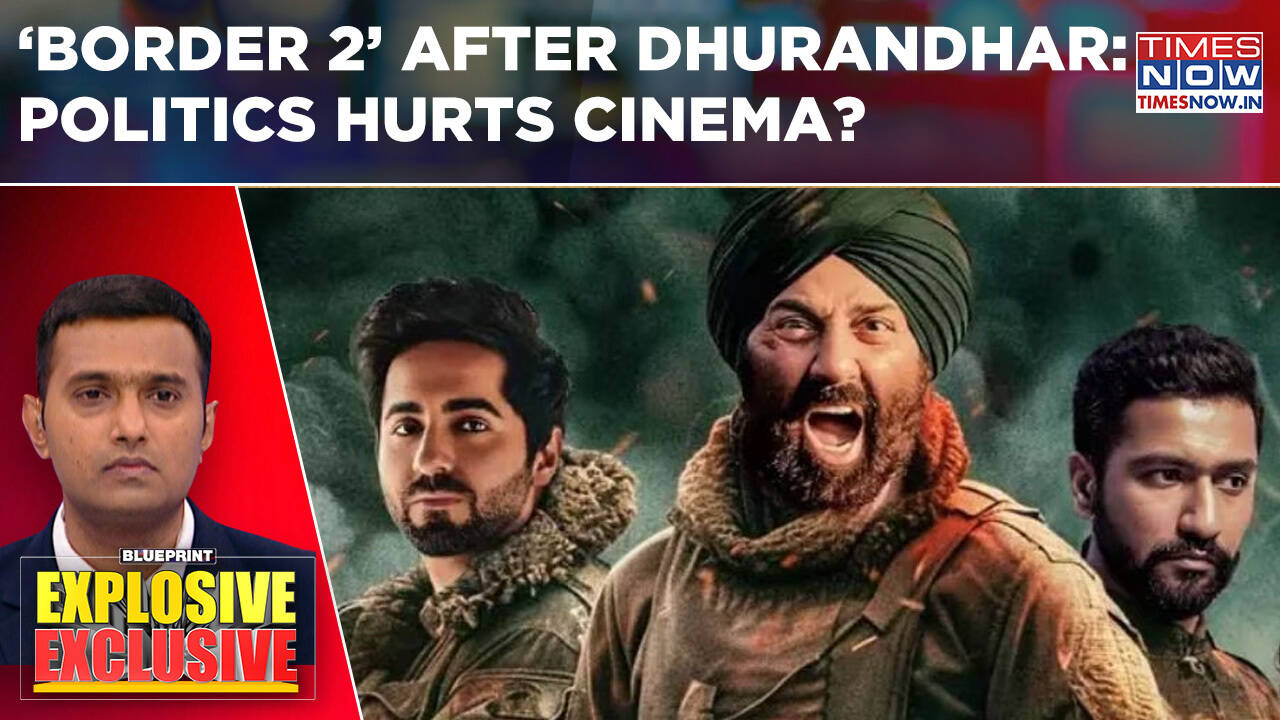
A political storm is brewing in India over the announced sequel to the iconic 1997 war film “Border,” with opposition parties from the I.N.D.I.A bloc condemning what they describe as “propaganda filmmaking” ahead of crucial elections.
The original “Border,” directed by J.P. Dutta, depicted the 1971 Battle of Longewala during the Indo-Pakistani War and became a cultural touchstone for patriotic cinema in India. The announcement of “Border 2” comes shortly after another military-themed film, “Fighter,” starring Hrithik Roshan, achieved commercial success.
Opposition leaders claim the timing of this announcement, following writer-activist Arundhati Roy’s controversial remarks about the Indian military and coming months before elections, is politically calculated. The I.N.D.I.A alliance suggests these films are being produced to capitalize on nationalist sentiment and sway voters toward the ruling party.
“This is becoming a pattern,” said a spokesperson for one of the opposition parties. “High-budget films glorifying military operations conveniently arrive before elections, serving as unofficial campaign tools rather than artistic expressions.”
The controversy highlights the increasingly blurred line between entertainment and political messaging in India’s film industry. Critics point to a series of recent military-themed films released during politically sensitive periods, questioning whether they represent genuine artistic intent or calculated political strategy.
Supporters of such films, however, reject these claims, arguing that celebrating the armed forces’ sacrifices should transcend political divides. “Our soldiers’ bravery deserves to be commemorated regardless of the electoral calendar,” noted a film industry veteran who requested anonymity.
The film industry has witnessed a surge in nationalist and military-themed productions in recent years. Films like “Uri: The Surgical Strike,” “Shershaah,” and “Sam Bahadur” have performed well at the box office while generating debate about the political implications of their narratives and timing.
Media analysts observe that the controversy surrounding “Border 2” reflects broader tensions about the representation of national security issues in popular culture. “When films about military operations become lightning rods for political debate, it indicates how central these themes have become to national identity and political discourse,” explained Dr. Meenakshi Sharma, a media studies professor at Delhi University.
The announcement of “Border 2” follows comments by Arundhati Roy that many considered derogatory toward the Indian armed forces, further inflaming the situation. Government supporters argue that films celebrating military achievements provide a necessary counternarrative to what they view as anti-national rhetoric from certain intellectual circles.
Film producers maintain that their projects are driven by audience demand rather than political considerations. “Patriotic films perform well because they resonate with viewers’ emotions and values, not because of any external agenda,” said a prominent producer associated with recent military-themed productions.
The controversy takes place against the backdrop of an increasingly polarized media environment, where entertainment choices often align with political affiliations. Streaming platforms and theaters have become battlegrounds for competing national narratives, with audiences often segregating along ideological lines.
Industry observers note that the commercial success of films like “Border” and its forthcoming sequel demonstrates genuine public interest in military stories, regardless of political implications. Box office figures suggest these films appeal across demographic and regional divides, indicating their cultural resonance extends beyond partisan politics.
As “Border 2” moves into production, the debate about its political significance is likely to intensify. The film’s release date, casting choices, and narrative focus will be scrutinized for potential political messaging, placing extraordinary pressure on filmmakers to navigate both artistic and political considerations.
The controversy underscores how cultural products in today’s India inevitably become entangled in larger political debates, transforming entertainment into a contested space where national identity and political allegiances are continuously negotiated and performed.
Fact Checker
Verify the accuracy of this article using The Disinformation Commission analysis and real-time sources.

15 Comments
The ‘Border 2’ controversy highlights the need for greater transparency and open dialogue between filmmakers, politicians, and the public. While artistic expression is important, the timing and potential political agenda behind this film warrant close scrutiny.
This debate touches on the broader issue of the entertainment industry’s influence on public opinion, especially around sensitive topics like national security and military history. Both sides make valid points, and I hope the final product can rise above partisan politics.
While the opposition’s accusations of ‘propaganda’ may be hyperbolic, their concerns about the timing and potential political motivations behind ‘Border 2’ seem warranted. The filmmakers would be wise to address these issues transparently.
Reasonable people can disagree on the role of cinema in shaping national discourse, especially during politically charged times. I hope the ‘Border 2’ filmmakers can find a way to respectfully engage with the opposition’s concerns while still telling the story they want to tell.
This debate highlights the fine line between celebrating India’s military heritage and exploiting it for political gain. Reasonable people can disagree on where that line should be drawn. Constructive dialogue, not accusations, is needed to resolve such complex issues.
I’m curious to see how the ‘Border 2’ filmmakers navigate this political minefield. Patriotic films can be powerful, but they must avoid becoming mere propaganda tools. Constructive engagement with the opposition’s concerns could lead to a more thoughtful, balanced final product.
Patriotic films can be powerful, but it’s crucial they avoid becoming mere propaganda tools. I hope the filmmakers strive for nuance and balance, rather than blatant partisanship, in their portrayal of military history.
The opposition’s concerns about ‘Border 2’ seem reasonable. Pre-election military-themed blockbusters do raise suspicions of politically-motivated filmmaking. However, the final verdict should rest with audiences, who can judge the film’s merits for themselves.
Patriotic films can be a double-edged sword – they can inspire national pride, but also risk inflaming political divisions. The ‘Border 2’ controversy underscores the need for filmmakers to navigate this minefield carefully and avoid alienating large segments of the audience.
The success of ‘Fighter’ suggests there is a strong appetite for patriotic military films in India. However, the ‘Border 2’ controversy shows the need for such projects to maintain a delicate balance between celebrating national pride and avoiding overt political messaging.
I’m curious to see how ‘Border 2’ handles the sensitive subject matter. Done well, it could be a thought-provoking exploration of war and patriotism. But the opposition’s concerns about potential propaganda are understandable and warrant close scrutiny of the final product.
The success of ‘Fighter’ shows there is a market for military-themed films in India. But the ‘Border 2′ controversy illustrates the need for such projects to maintain artistic integrity and avoid overt political messaging, regardless of the filmmakers’ intentions.
This debate touches on the broader issue of how the entertainment industry intersects with national politics. Reasonable people can disagree, but open and honest dialogue is essential to ensure a healthy balance between artistic expression and civic responsibility.
The controversy around ‘Border 2’ highlights the complex relationship between cinema, politics, and nationalism in India. While artistic expression is important, the timing of this film release raises legitimate questions about potential political motives.
This debate highlights the complex interplay between art, politics, and public sentiment in India. Both sides make valid points, and I hope cooler heads prevail so that ‘Border 2’ can be judged on its own artistic merits, not its perceived political agenda.