


Listen to the article
The Evolution of Political Messaging in Indian Cinema: Entertainment or Ideology?
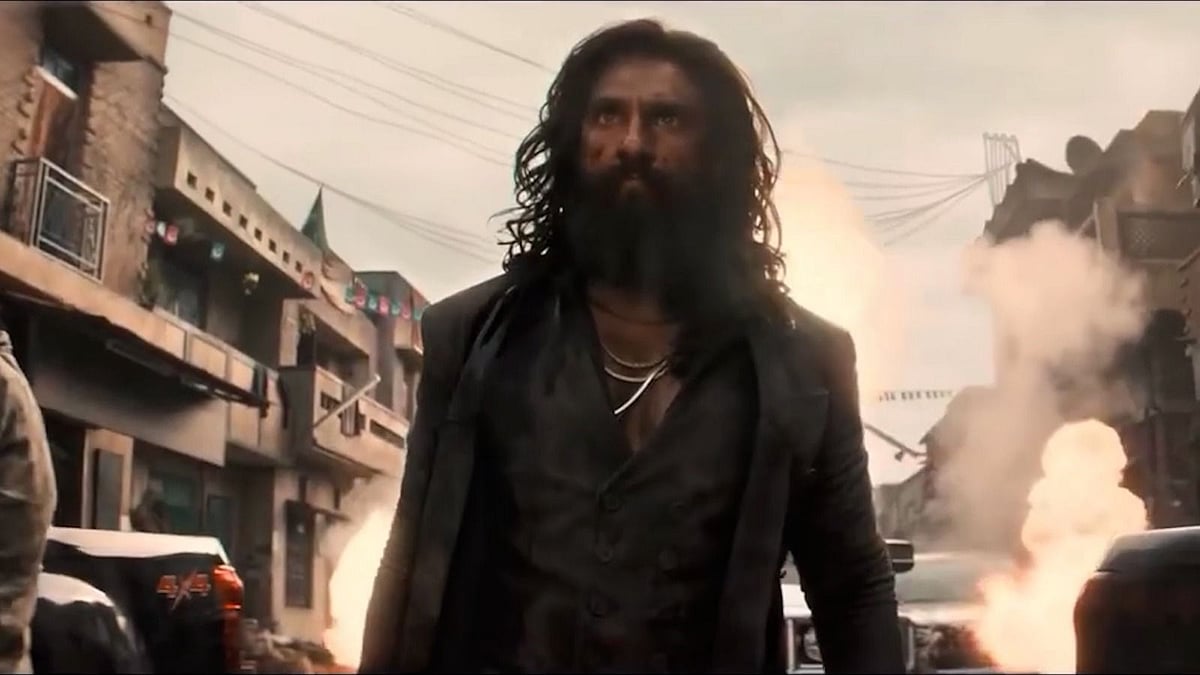
Recent Indian cinema has increasingly become a powerful vessel for political messaging, blending entertainment with ideology in ways that echo historical propaganda techniques. The action film “Dhurandhar: The Revenge” represents the latest example of this trend, offering audiences not just spectacle but emotional catharsis through reimagined versions of traumatic national events.
The film revisits painful chapters in recent Indian history—the IC-814 hijacking, the Parliament attack, and the Mumbai siege—transforming them into narratives of decisive retribution. Rather than simply documenting these events, the film reframes them as opportunities for vengeance, inviting viewers to experience a sense of national vindication.
This approach didn’t materialize suddenly in Indian cinema. Earlier controversial yet commercially successful films like “The Kashmir Files” and “The Kerala Story” paved the way by placing politically charged narratives at the forefront of mainstream entertainment. These films centered on themes of grievance, identity, and historical injustices, resonating with sentiments already present in certain segments of society.
Media analysts note that such films don’t necessarily create new emotions but rather validate and amplify existing feelings, providing viewers with dramatic confirmation of perspectives they may already hold. The commercial success of these productions suggests they’ve tapped into powerful currents within the national conversation.
“Dhurandhar” takes this approach further by expanding the definition of adversaries beyond traditional geopolitical rivals. While Pakistan remains a central antagonist, the film incorporates a broader landscape of perceived threats, including internal dissenters, minorities, activists, and political opponents. This narrative technique reduces complex sociopolitical issues to straightforward conflicts between clearly defined heroes and villains.
The blending of entertainment with political messaging follows recognizable patterns seen throughout media history. Emotional appeals to national pride, the creation of easily identifiable enemies, and the celebration of strong leadership are enduring tools that transcend specific cultural contexts. When wrapped in the immersive experience of cinema, these elements can powerfully shape audience perspectives.
It’s important to recognize that India maintains a vibrant democracy with a diverse media ecosystem. Bollywood itself remains far from monolithic, with many filmmakers continuing to produce work that challenges dominant narratives and explores nuanced perspectives. Any simplistic comparisons to historical propaganda machines would overlook these crucial distinctions.
Nevertheless, the pattern emerging in certain successful films merits attention from media scholars and audiences alike. When propaganda elements are effectively disguised as entertainment—thrilling, reassuring, and emotionally satisfying—their messaging can bypass critical filters. By the time viewers rise for a standing ovation, certain perspectives and interpretations have already been normalized.
Cinema’s power has always extended beyond mere reflection of reality. Films actively participate in shaping the versions of reality that audiences come to accept as authentic. In an era of information overload and competing narratives, entertainment that simplifies complex issues into moral certainties offers a comforting clarity that more nuanced approaches may lack.
The significance of this trend extends beyond India’s borders, raising universal questions about the relationship between entertainment, politics, and public perception. As global audiences increasingly consume media that blurs the line between information and entertainment, the ability to recognize when political messaging is being embedded within compelling narratives becomes an essential skill for media literacy.
For filmmakers, critics, and viewers alike, these developments invite deeper consideration of cinema’s role in democracy—not just as a mirror reflecting societal values, but as an active participant in shaping how citizens understand their nation’s past, present, and possible futures.
Fact Checker
Verify the accuracy of this article using The Disinformation Commission analysis and real-time sources.

10 Comments
Interesting to see how Bollywood is being used as a platform for political messaging. While entertainment can be a powerful way to reach audiences, we have to be cautious about films that seem to distort or sensationalize complex historical events.
Absolutely, the line between entertainment and propaganda can be blurry. It’s important to think critically about the narratives being presented and how they might shape public opinion.
As someone interested in media and politics, I’ll be following this story closely. It’s crucial that we scrutinize the motivations and impact of films that blend entertainment with ideological messaging.
Agreed. Thoughtful analysis and public discourse around these issues is essential to maintaining a healthy, well-informed society.
This is a complex issue – the line between entertainment and propaganda can be very fine. I’m interested to see how the public responds to these films and whether they spark meaningful dialogue or simply reinforce existing biases.
The article raises important questions about the ethics of using entertainment media to shape public opinion on sensitive political topics. I’m curious to see how this controversy evolves and whether it leads to a broader discussion about the responsibilities of filmmakers.
I’m curious to learn more about the specific political themes and historical revisionism in these Bollywood films. It’s concerning if they’re exploiting real tragedies for emotional impact rather than objective storytelling.
You raise a good point. Filmmakers have a responsibility to handle sensitive topics with care and nuance, rather than sensationalizing for commercial gain.
The trend of embedding political ideology in mainstream entertainment is an interesting phenomenon to observe. While artistic expression is valuable, we should be wary of films that seem to push specific agendas under the guise of entertainment.
I appreciate the director’s perspective on using film to explore complex historical events. However, I hope the execution avoids sensationalism and instead provides nuanced, fact-based storytelling that illuminates rather than obscures the truth.