


Listen to the article
BJP Launches Sharp Counterattack Against Gandhi’s Trade Deal Criticisms
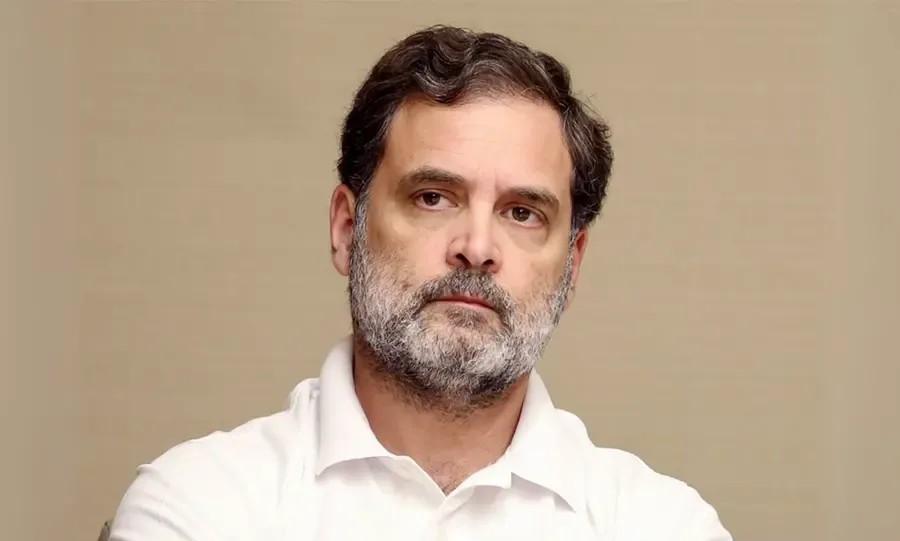
The Bharatiya Janata Party (BJP) mounted an aggressive defense on Saturday against Congress leader Rahul Gandhi’s recent criticisms of the India-US trade agreement, labeling him a “Leader of Propaganda” and accusing him of deliberately spreading misinformation among India’s farming communities.
Gandhi had taken to social media platform X with a video message warning that the trade pact would severely damage India’s textile industry and harm cotton farmers. He claimed the agreement’s tariff structure puts India at a disadvantage compared to neighboring Bangladesh and potentially threatens millions of livelihoods across the country’s agricultural and manufacturing sectors.
Senior BJP officials quickly mobilized to counter these allegations. Union Minister Giriraj Singh addressed reporters in Patna, dismissing Gandhi’s claims as unfounded rumors that fail to acknowledge Prime Minister Narendra Modi’s consistent commitment to protecting farmer interests in all international agreements.
“The Congress leader has lied multiple times and apologized in court,” Singh stated, referencing the recent controversy surrounding Gandhi’s comments about former Army Chief General Naravane’s book.
The BJP’s national spokesperson Shehzad Poonawalla escalated the rhetoric, describing Gandhi as a “modern-day Pinocchio” and a “Supreme Court-certified liar.” Poonawalla contrasted what he characterized as the BJP government’s careful protection of agricultural interests with the United Progressive Alliance’s (UPA) record on trade negotiations during their tenure, which he termed “Family Trade Agreements.”
Fellow BJP spokesperson Tuhin Sinha accused Gandhi of engaging in a pattern of “deception,” suggesting he had simply shifted focus from what Sinha called “Naravane falsehoods” to this “mischievous” attack on national economic interests.
The trade agreement in question represents a significant economic relationship between the world’s largest and fifth-largest economies. India-US bilateral trade in goods and services reached approximately $191 billion in 2023, with both nations seeking to strengthen commercial ties amid shifting global trade dynamics and supply chain realignments following the pandemic.
The textile industry forms a crucial part of India’s export economy, employing millions directly and supporting cotton cultivation across agricultural regions. Any significant changes to trade terms in this sector could have far-reaching implications for rural livelihoods and manufacturing jobs.
Coalition partners of the BJP joined in defending the trade agreement. Janata Dal (United) representative Rajiv Ranjan praised the deal as an economic catalyst that would benefit producers and strengthen infrastructure. His party colleague Neeraj Kumar accused Gandhi of engaging in “political propaganda” that exploits farmers’ economic anxieties.
Shaina NC from Shiv Sena claimed Gandhi had failed to review the agreement’s details, asserting that every decision in the pact supports both agricultural interests and the government’s Make in India manufacturing initiative.
The heated exchange highlights the increasingly polarized political environment surrounding India’s international trade policy, with the ruling coalition framing agreements as strategic economic opportunities while opposition figures question their impact on vulnerable sectors of the economy.
Trade experts note that while international agreements typically create both opportunities and challenges, the specific impacts on agricultural communities often depend on implementation details, accompanying support policies, and adjustment periods that allow sectors to adapt to new competitive realities.
The controversy occurs against the backdrop of ongoing farmer concerns about agricultural policies and global market exposure, making trade agreements particularly sensitive in India’s political discourse.
Fact Checker
Verify the accuracy of this article using The Disinformation Commission analysis and real-time sources.

7 Comments
This seems like a complex issue where reasonable people could disagree. I’m curious to learn more about the specifics of the trade agreement and the potential effects on different sectors of the Indian economy. Unbiased analysis from experts would be helpful for citizens to form their own views.
The BJP’s accusation of Rahul Gandhi ‘deliberately spreading misinformation’ is a strong claim. I’d like to see the specific evidence they have to back that up. Reasonable people can disagree on the merits of trade deals, but making unfounded allegations is unhelpful.
Exactly, claims of ‘misinformation’ should be substantiated rather than used as a political cudgel. An open, fact-based debate would serve the public interest better than partisan finger-pointing.
Interesting developments in the India-US trade deal debate. Rahul Gandhi’s criticisms deserve a fair hearing, but the BJP’s counterarguments also warrant consideration. As a voter, I’d like to see a more transparent discussion of the potential impacts on farmers and industry.
I agree, this seems like a complex issue with valid concerns on both sides. Unbiased information from reputable sources would be helpful for citizens to evaluate the tradeoffs.
The BJP’s defense of the trade deal seems to focus a lot on attacking Rahul Gandhi’s credibility rather than addressing the substance of his concerns. While I don’t doubt there are political motivations at play, I think it’s important to have a balanced discussion of the potential impacts.
As someone involved in the textile industry, I’m closely watching this debate. The potential impacts on cotton farmers and manufacturing are significant. I hope both sides can move past political posturing and have a constructive dialogue to understand the trade-offs.