


Listen to the article
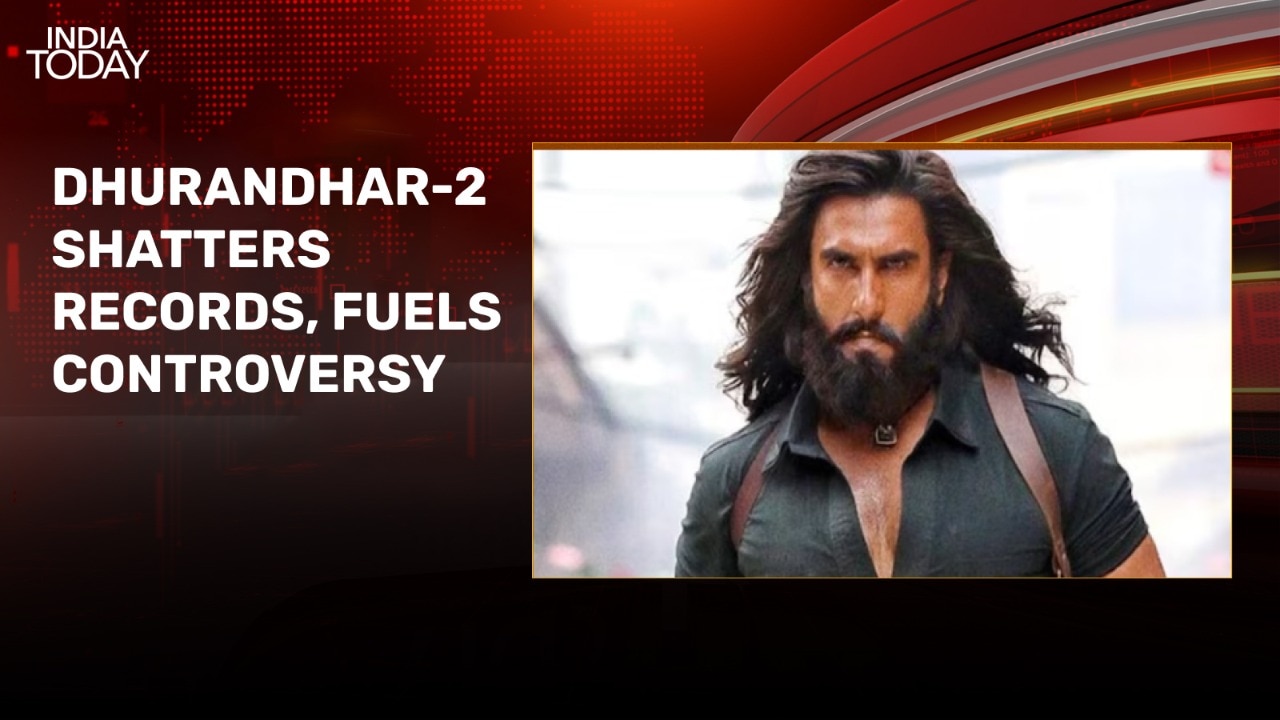
The political thriller “Dhurandhar 2” has become a box office sensation in India, raking in an impressive ₹172.63 crore in domestic gross revenue within just 48 hours of its release. Directed by Aditya Dhar and starring Bollywood heavyweight Ranveer Singh, the film has shattered opening weekend records while simultaneously igniting a fierce political debate across the country.
Despite its commercial success, the film has quickly become a lightning rod for controversy, with opposition figures claiming it serves as thinly-veiled propaganda for Prime Minister Narendra Modi’s Bharatiya Janata Party (BJP). Critics point specifically to the film’s portrayal of the 2016 demonetization policy—a sudden withdrawal of ₹500 and ₹1000 banknotes that represented nearly 86% of India’s currency in circulation at the time—as a heroic move rather than the economic disruption many economists considered it to be.
The inclusion of actual footage featuring Prime Minister Modi has particularly inflamed tensions. Scenes incorporating Modi’s 2014 oath-taking ceremony and his surprise demonetization announcement have reportedly drawn enthusiastic applause in theaters across BJP-supporting regions while simultaneously triggering backlash on social media platforms.
Opposition leaders have raised concerns about what they describe as the film’s problematic portrayal of minority communities. They argue that while the film rightly depicts the very real threat of Pakistan-sponsored terrorism, it simultaneously paints minority groups with an overly broad brush that could inflame communal tensions in a country already grappling with religious polarization.
BJP national spokesperson Shehzad Poonawalla has vigorously defended the film, arguing that it merely “exposes Pakistani terrorists” while portraying Indian security and intelligence agencies in a positive, patriotic light. “This film celebrates our nation’s resilience against terrorism and the difficult decisions our leadership had to make to combat corruption and terror financing,” Poonawalla stated to reporters.
Left-wing political leader Vivek Srivastava offered a sharp rebuke to these claims, characterizing the film as “blatant BJP propaganda disguised as entertainment.” Srivastava particularly took issue with what he described as the glorification of demonetization, which he called “an economic disaster that caused untold suffering to ordinary Indians while failing to meet any of its stated objectives regarding black money or corruption.”
The controversy extends to the film’s depiction of late gangster Atiq Ahmed, with some critics questioning whether the portrayal unfairly links criminal elements to specific religious communities. Several film critics have noted that while “Dhurandhar 2” presents itself as a patriotic thriller, its narrative choices reflect distinctly partisan perspectives on recent Indian political history.
The film arrives at a particularly sensitive time in Indian politics, following the BJP’s unexpectedly modest performance in recent parliamentary elections. Some political analysts suggest the timing of such a politically charged blockbuster is no coincidence, potentially serving to reinvigorate the party’s nationalist messaging.
The Indian film industry has increasingly become a battleground for competing political narratives, with nationalist-themed films gaining significant commercial traction in recent years. “Dhurandhar 2” follows this trend while pushing boundaries further by directly incorporating real political figures and events.
Despite—or perhaps because of—the controversy, theater owners report sold-out showings across major metropolitan areas. The film’s commercial success highlights the complex relationship between entertainment and politics in contemporary India, where audiences simultaneously seek escapism and validation of their political worldviews.
As “Dhurandhar 2” continues its theatrical run, the heated debate surrounding its content shows no signs of cooling, demonstrating how popular cinema increasingly serves as both entertainment and a powerful vehicle for political messaging in the world’s largest democracy.
Fact Checker
Verify the accuracy of this article using The Disinformation Commission analysis and real-time sources.

8 Comments
While I’m intrigued by the commercial success, the accusations of propaganda are worrying. I hope the filmmakers can present a nuanced, fact-based portrayal of demonetization and other political events, rather than just pushing a particular agenda.
The box office numbers are impressive, but the accusations of political propaganda are concerning. As a viewer, I want to be entertained, not indoctrinated. I hope the filmmakers can find a way to balance artistic expression with responsible storytelling.
This film sounds like it’s stirring up a lot of controversy, which isn’t surprising given the sensitive political subject matter. I’ll be curious to see how audiences respond, whether they see it as a thought-provoking examination of events or thinly veiled propaganda.
Exactly. Political films often struggle to find that balance between artistic merit and ideological messaging. Time will tell if this one manages to pull it off or ends up alienating viewers on both sides of the aisle.
While I appreciate the commercial success, I’m a bit skeptical of the film’s portrayal of demonetization as heroic. Most economists saw it as a disruptive policy that caused significant economic hardship. I hope the filmmakers strive for objectivity rather than just pushing a political agenda.
I agree. Demonetization was a complex issue with pros and cons. A nuanced, fact-based treatment would be more valuable than a one-sided, propagandistic take.
This political thriller sounds like it’s stirring up quite a debate. I’m curious to see how the portrayal of demonetization and inclusion of Modi footage plays out. Will it sway opinions or just deepen partisan divides?
Good point. Whenever films tackle contentious political issues, they tend to become lightning rods. It’ll be interesting to see if this movie can find a balanced approach or if it ends up as straight-up propaganda.