


Listen to the article
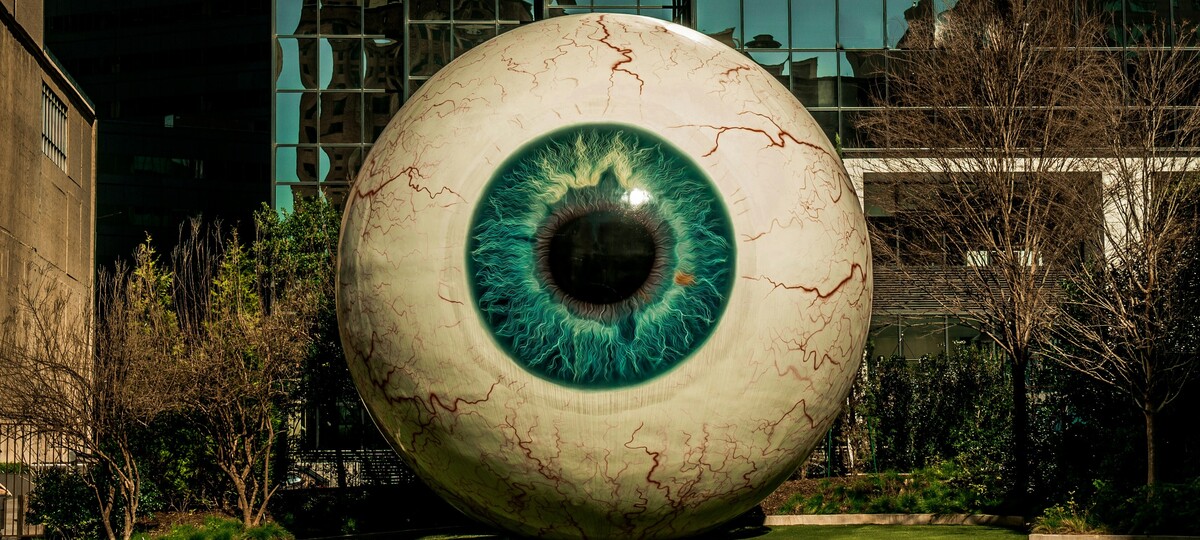
In an echo of George Orwell’s dystopian vision where “Big Brother is watching you,” New York City residents now find themselves unable to escape Mayor Zohran Mamdani’s face plastered across the urban landscape. From street kiosks to taxi screens, the mayor’s image has become an inescapable presence in the daily lives of New Yorkers.
Throughout Manhattan, approximately 2,000 LinkNYC kiosks display videos featuring Mamdani on their 55-inch screens. Walking down Madison Avenue, pedestrians encounter these kiosks every few blocks, each showing the mayor celebrating his expansion of the city’s free pre-K program. The videos follow him through toy-filled classrooms with lingering close-ups that dwarf even Orwell’s fictional Big Brother in physical scale.
The omnipresence doesn’t end on the streets. Taxi TV screens play identical videos featuring the mayor’s distinct grin, creating a sensation that there’s nowhere to hide from his image.
While LinkNYC typically charges for advertising, they run city public service announcements free of charge. However, this arrangement has raised ethical concerns, as New York law prohibits elected officials from appearing in advertisements masquerading as public service announcements. Former Mayor Eric Adams reportedly avoided using these free video platforms for self-promotion during his tenure.
When questioned about potential ethics violations, the mayor’s office sidestepped the issue, stating that promoting child care enrollment remains a top priority. Critics, including ethics watchdogs at Reinvent Albany, argue that these advertisements violate the spirit of existing law. Nicole Gelinas, a Manhattan Institute fellow, pointed out the apparent double standard: “If Adams did this everyone would be cringing and saying he was using the kiosks for shameless self-promotion.”
Perhaps most striking is that despite the mayor’s prominent positioning in pre-K promotional materials, the program itself wasn’t his creation. The initiative launched back in 2014 under a previous administration, with Mamdani merely expanding it to include 2-year-olds. Even the funding for this expansion comes primarily from state rather than city resources.
This self-promotional approach draws comparisons to another politically polarizing figure: Donald Trump. Despite representing opposite ends of the political spectrum, both share an apparent need to dominate public attention spaces. While Trump was already a celebrity before entering politics, Mamdani rose from relative obscurity to become New York’s mayor through viral TikTok videos that captured public attention.
The key distinction between Orwell’s fictional dystopia and today’s reality lies in surveillance capabilities. Big Brother in “Nineteen Eighty-Four” watched citizens through telescreens, enforced by Thought Police. Modern politicians like Mamdani don’t monitor viewers directly, nor do they need physical enforcement. Instead, they leverage public addiction to social media and digital platforms to saturate communication channels with their messaging.
In this contemporary twist, the power dynamic has shifted: rather than Big Brother watching citizens, citizens now watch an omnipresent political figure who has mastered the art of capturing attention. The modern political figure doesn’t need surveillance technology or police enforcement when they can achieve visibility through strategic self-promotion and digital omnipresence.
For New Yorkers, the result is a cityscape where turning a corner or hailing a cab means encountering their mayor’s face yet again, a reminder that in today’s political environment, visibility equals power—and some politicians have mastered the art of being unavoidable.
Fact Checker
Verify the accuracy of this article using The Disinformation Commission analysis and real-time sources.

5 Comments
This sounds like a concerning example of government surveillance and propaganda tactics. While the intent may be to promote public services, the omnipresence of the mayor’s image is quite unsettling. I hope there are avenues for citizens to voice their concerns about this overreach.
Hmm, this seems to cross some ethical lines in my view. While transparency in government is important, the scale and nature of this surveillance feels like an abuse of power. I wonder what legal and civic mechanisms could be leveraged to keep such tactics in check.
This seems to raise some concerning issues around government overreach and the erosion of personal freedoms. While public service announcements have a role, the pervasive nature of these mayor’s images feels troubling. I hope there is robust public debate on finding the right balance.
Interesting insights on the growing surveillance state. I wonder if there are ways to balance public awareness and transparency with individual privacy concerns. What do you think would be a fair approach here?
It’s a delicate balance between government transparency and personal privacy. While public awareness campaigns can be valuable, the scale and intrusiveness described here seems excessive. I’d be curious to hear perspectives on constructive ways to address these challenges.