


Listen to the article
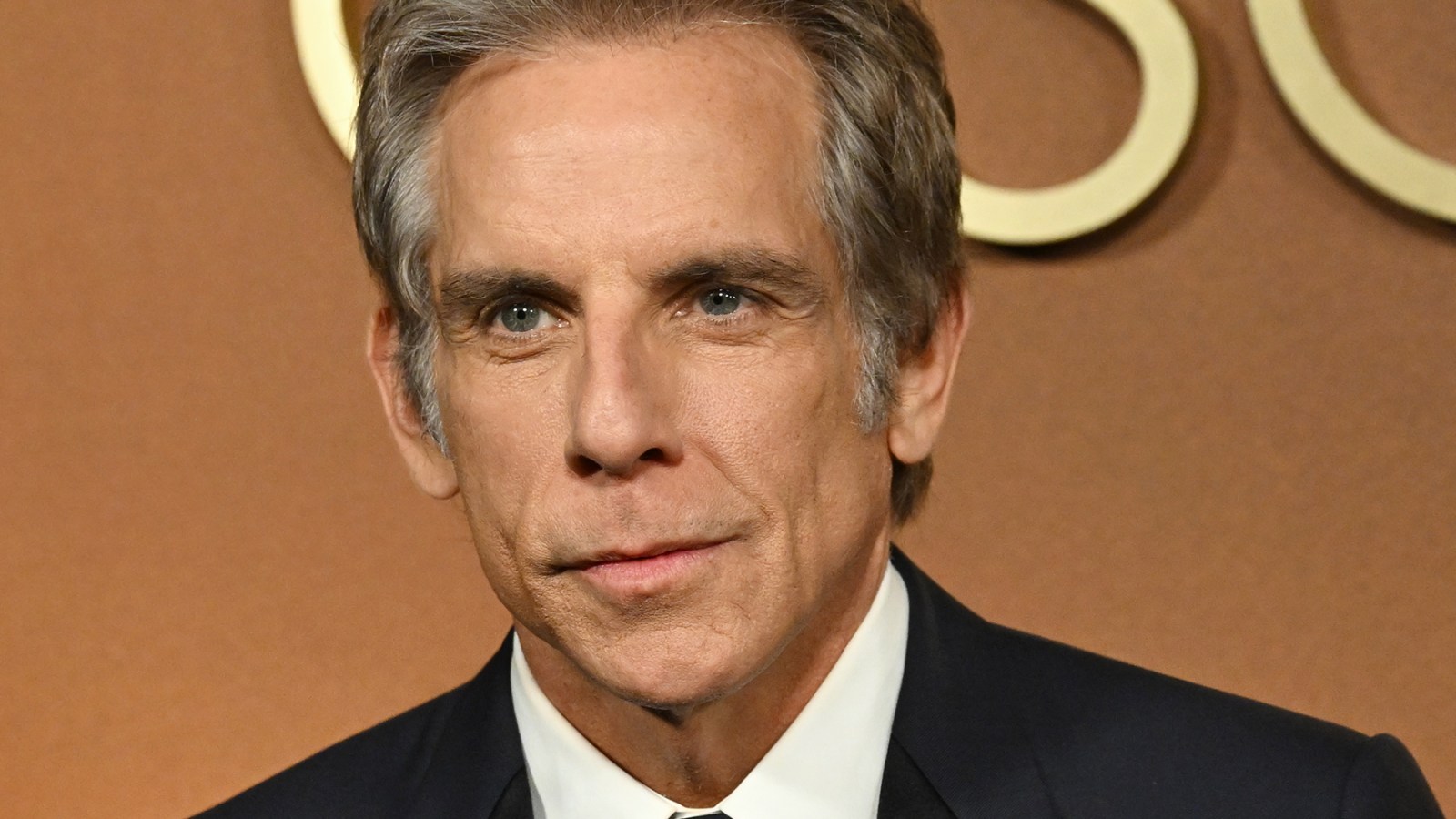
In a rare public rebuke directed at the White House, actor-director Ben Stiller condemned the unauthorized use of footage from his 2008 film “Tropic Thunder” in an official government propaganda video promoting military action against Iran.
“Hey White House, please remove the Tropic Thunder clip,” Stiller wrote on social media Friday. “We never gave you permission and have no interest in being a part of your propaganda machine. War is not a movie.”
The controversial video, shared Thursday on the White House’s official X account, featured a montage of clips from various films and television shows, including “Tropic Thunder,” “Braveheart,” “Top Gun: Maverick,” and “Better Call Saul.” The post was captioned “JUSTICE THE AMERICAN WAY,” accompanied by American flag and fire emojis.
The supercut culminated with the iconic “Flawless victory” audio from the “Mortal Kombat” franchise, before displaying a title card reading “The White House: President Donald J. Trump.” The specific segment from “Tropic Thunder” showed Tom Cruise’s character, movie executive Les Grossman, dancing—a scene repurposed to seemingly celebrate military aggression.
“Tropic Thunder,” which Stiller directed, co-wrote, and starred in, was a critical and commercial success upon its 2008 release. The satirical comedy follows a group of actors who, while filming a war movie, unwittingly find themselves in actual combat situations. The film featured an ensemble cast including Jack Black and Robert Downey Jr., whose performance earned him an Academy Award nomination for Best Supporting Actor.
The White House’s promotional video comes amid escalating military operations by U.S. and Israeli forces against Iran—a conflict that has already claimed the lives of several American service members. Defense Secretary Pete Hegseth and President Trump have warned the American public to expect additional casualties as the military campaign continues with no clear end in sight.
Critics have pointed out that the administration has struggled to articulate specific objectives for the military operation. The video’s triumphant and celebratory tone, coupled with its emphasis on destruction rather than strategy, suggests the current focus may be more on projecting strength through devastation rather than achieving defined diplomatic or strategic goals.
The incident highlights growing tensions between Hollywood and political figures over the unauthorized appropriation of creative content for propaganda purposes. Film studios and creators have increasingly pushed back against having their work repurposed to advance political messaging without permission.
Media analysts note that the White House’s use of pop culture references in promoting military action represents a concerning conflation of entertainment and warfare, potentially trivializing the serious human consequences of armed conflict.
As of press time, the White House has not publicly responded to Stiller’s demand to remove the “Tropic Thunder” footage from their promotional material, nor have they addressed the broader criticism about the video’s tone and message regarding ongoing military operations.
The controversy emerges as public debate intensifies over both the legal and ethical dimensions of the current conflict, with growing calls for greater transparency about military objectives and exit strategies in the region.
Fact Checker
Verify the accuracy of this article using The Disinformation Commission analysis and real-time sources.

10 Comments
The White House’s decision to use ‘Tropic Thunder’ footage in a video promoting military action is quite troubling. Stiller’s criticism highlights the need for greater accountability and ethical standards when it comes to the intersection of politics and media. This is an issue that warrants further discussion and scrutiny.
This is a complex issue that speaks to the importance of maintaining clear boundaries between entertainment and politics. While the White House may have seen the ‘Tropic Thunder’ clip as adding entertainment value, Stiller’s objection is understandable. Responsible governance requires transparency and a clear separation from the trivializing effects of fictional media.
While the White House may have thought the ‘Tropic Thunder’ clip added entertainment value, Stiller makes a fair point. Using fictional footage to justify real-world military aggression is inappropriate and disrespectful. I hope the administration reconsiders this approach.
I agree. Even if unintentional, repurposing movie scenes to glorify war sends the wrong message. The White House should focus on transparent, factual communication rather than sensationalized propaganda.
This incident raises important questions about the ethical use of media in political messaging. While the White House may have thought the ‘Tropic Thunder’ clip added entertainment value, Stiller’s objection is understandable. Promoting real-world military action through fictional footage is concerning and should be reconsidered.
This seems like a concerning misuse of entertainment media to promote military action. I understand Stiller’s objection – war is not a movie, and this video risks trivializing real-world violence. Responsible governance should avoid such manipulative propaganda tactics.
This is an interesting case study in the blurring of entertainment and politics. While the White House may have thought the ‘Tropic Thunder’ clip added entertainment value, Stiller raises valid concerns about the ethical implications of such an approach.
I appreciate Stiller taking a principled stand here. Using fictional footage to promote real-world military action is inappropriate and disrespectful, no matter the intent. The White House should reconsider this approach.
Stiller’s criticism highlights the importance of responsible governance and the careful use of media. While the White House may have thought the ‘Tropic Thunder’ clip added entertainment value, it risks trivializing the gravity of military conflict. Transparency and factual communication should be the priority.
I’m curious to see how this situation develops. Stiller’s concerns about the White House’s use of ‘Tropic Thunder’ footage seem valid – war should not be treated as entertainment. Responsible governance requires clear, factual communication, not sensationalized propaganda.