


Listen to the article
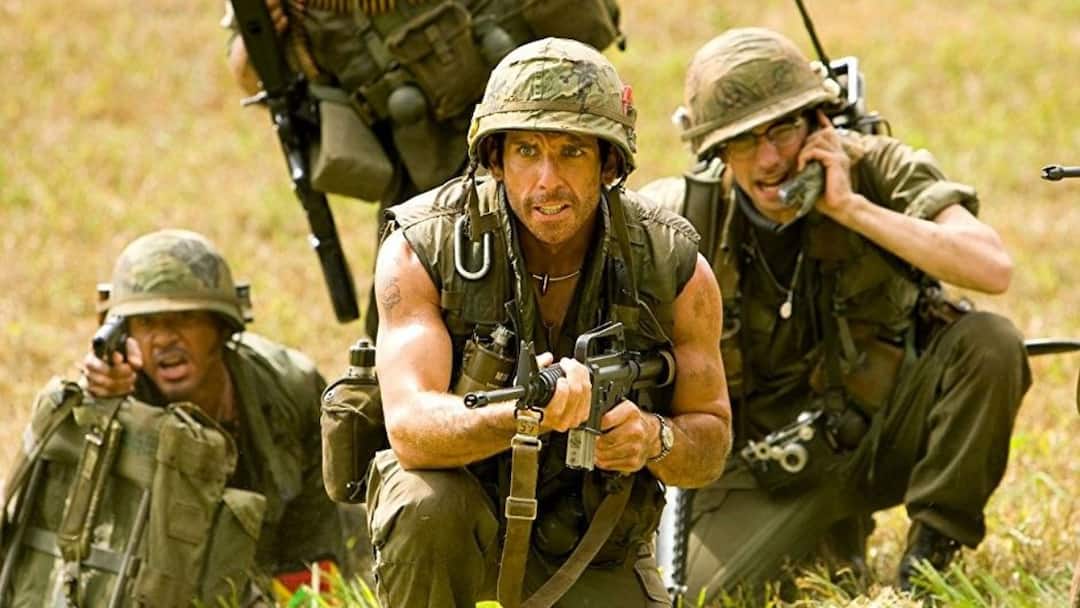
The Biden administration has drawn criticism from actor Ben Stiller after using unauthorized footage from his 2008 film “Tropic Thunder” in a White House social media post showcasing military operations against Iran.
The controversial video, shared on the official White House X (formerly Twitter) account, combines scenes from popular Hollywood productions with actual footage of aerial strikes in what appears to be an attempt to dramatize recent military actions. The montage concludes with a “flawless victory” voiceover that many have condemned as trivializing armed conflict.
Stiller responded forcefully on social media, writing: “Hey White House, please remove the Tropic Thunder clip. We never gave you permission and have no interest in being a part of your propaganda machine. War is not a movie.” His statement has resonated widely online, generating substantial support amid growing concerns about the administration’s messaging around military operations.
The video features rapid cuts between actual military strike footage and scenes from numerous popular entertainment properties including “Gladiator,” “Braveheart,” “Iron Man,” “Top Gun,” “Deadpool,” and “Breaking Bad.” The inclusion of these clips without apparent permission from studios or creators has raised questions about copyright issues and the ethics of repurposing entertainment content for political messaging.
This incident represents the latest in a series of similar controversies for the White House communications team. In December, singer Sabrina Carpenter requested the removal of her song “Juno” from an official video promoting immigration enforcement actions. Pop star Olivia Rodrigo made a similar demand regarding her track “All-American Bitch” that appeared in another government production. Kenny Loggins previously objected to the use of his “Top Gun” anthem “Danger Zone” in a clip showing military action against civilian protesters.
The timing of this controversy is particularly sensitive, coming amid escalating tensions across West Asia. U.S. military involvement in the region has intensified in recent months, with operations triggering retaliatory missile and drone attacks that have disrupted everything from commercial flight schedules to energy markets.
Media experts note that the administration’s approach represents a significant departure from traditional government communications about military operations. Dr. Sarah Collins, professor of political communication at Georgetown University, told reporters, “There’s a long-standing protocol about how governments present military actions to the public. Using Hollywood entertainment to glamorize real-world strikes introduces ethical concerns about how conflict is framed for domestic audiences.”
The entertainment industry has also voiced concerns. The Directors Guild of America issued a statement emphasizing that filmmakers typically retain rights to control how their work is used in political contexts. “Creative works being repurposed without permission for government messaging creates problematic precedents,” the statement noted.
White House officials have yet to respond directly to Stiller’s demand or address whether proper permissions were secured for any of the entertainment content featured in the video. The post remains active on the official White House social media account as of press time, having accumulated millions of views.
The controversy highlights the increasingly blurred lines between entertainment, social media, and government communications in the digital age. As military operations continue in the region, the administration faces growing scrutiny not just over its strategic decisions but also how it chooses to present those actions to the American public.
For Stiller, whose “Tropic Thunder” was itself a satirical take on war films and Hollywood’s relationship with military narratives, the unauthorized use presents a particular irony. The film was known for its critique of how Hollywood glamorizes and misrepresents combat – precisely the criticism now being leveled at the White House’s communications approach.
Fact Checker
Verify the accuracy of this article using The Disinformation Commission analysis and real-time sources.

7 Comments
It’s concerning to see the White House blending entertainment and military imagery in this way. While the intent may be to dramatize recent operations, it comes across as disrespectful and undermines the reality of war. Stiller is right to demand the removal of the Tropic Thunder clip.
I have mixed feelings about this. On one hand, I understand Stiller’s objections to having his work used for apparent propaganda purposes. But on the other, the administration may have been trying to engage the public in a more compelling way. Either way, they should reconsider this approach.
I can see both sides here. While the administration’s intent may have been to make the content more engaging, Stiller raises valid concerns about trivializing armed conflict. They should find a more thoughtful way to communicate these issues.
This is a concerning and inappropriate use of entertainment media by the White House. Stiller is absolutely right to demand the removal of the Tropic Thunder clip – war is not a movie, and the administration needs to be more mindful of the message they’re sending.
This seems like a concerning use of entertainment media to glamorize military action. Stiller is right to call for removing the Tropic Thunder clip – war isn’t a movie, and the administration should be more thoughtful in their messaging.
I appreciate Stiller’s principled stance here. Mixing fictional action footage with real military strikes is concerning and trivializes the gravity of armed conflict. The White House should reconsider this approach.
Agreed. Stiller is taking a brave stand by refusing to have his work used for such an inappropriate purpose. The administration needs to be more mindful of the message they’re sending.