


Listen to the article
Bangladesh’s first election since Hasina’s ousting can succeed despite challenges, says journalist
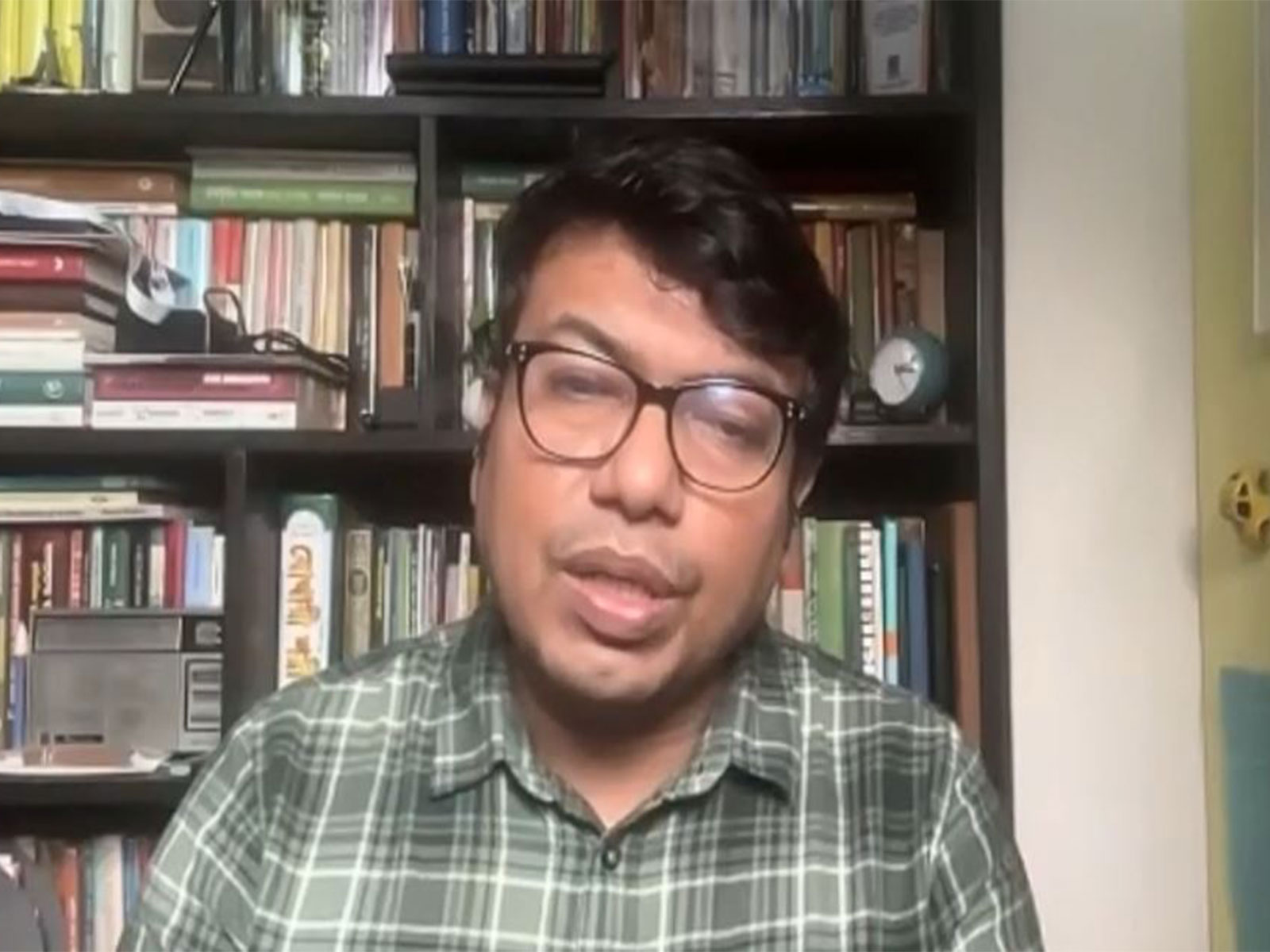
Bangladeshi journalist Muktadir Rashid has expressed strong confidence that the upcoming national elections in Bangladesh can be conducted peacefully and fairly, despite ongoing concerns about political violence and instability in the country.
In a recent interview with ANI, Rashid addressed apprehensions about the feasibility of the February 12 elections, which were scheduled by Muhammad Yunus, Chief Adviser of the interim government. These elections will be Bangladesh’s first since former Prime Minister Sheikh Hasina was ousted during a student-led uprising last year.
“100 percent. I would say 100 percent is possible,” Rashid stated when asked about the likelihood of successful elections. He attributed current unrest to “only 500 bad elements” who he claims are “causing this problem,” with some allegedly operating within the cabinet and government structures.
The journalist emphasized that these elections represent a crucial opportunity for Bangladesh to establish itself as a genuinely democratic nation with legitimately elected leadership. “We have to build our country,” Rashid said, adding that democratic principles from neighboring countries like India, Pakistan, and Nepal should serve as examples.
Rashid highlighted the importance of political leadership as the only viable solution to stabilize the country. He warned against “opportunistic elements” attempting to make Bangladesh “vulnerable to foreign influence” and stressed that the nation must maintain its independence while fostering peaceful relations with neighboring countries.
“We don’t want to make it a foreign power, a stooge. We want to bring all our friends together. We don’t want to make an enemy city with any of our neighbours or a foreign neighbour or any other,” the journalist explained. “We want to make it a peaceful country.”
The political landscape in Bangladesh has been turbulent since Sheikh Hasina’s government fell during the July Uprising last year. The student-led protests that culminated in her removal represented one of the most significant political shifts in the country’s recent history, ending Hasina’s 15-year rule that critics had increasingly characterized as authoritarian.
The interim government led by Nobel laureate Muhammad Yunus has faced numerous challenges in stabilizing the country and preparing for elections. Recent violence, including the killing of Osman Hadi, a prominent figure in the July Uprising and convenor of Inqilab Moncho (a mass cultural movement formed during the uprising), has heightened concerns about security during the electoral process.
International observers have expressed varying levels of optimism about Bangladesh’s democratic transition. The country of approximately 170 million people represents a significant economic and geopolitical player in South Asia, making its political stability important for regional dynamics.
Rashid’s optimistic assessment comes with a clear vision for Bangladesh’s future – a country that upholds democratic values without resorting to what he described as “extra toughness,” “false propaganda,” or religious extremism. His comments reflect a desire for Bangladesh to chart its own democratic course while learning from successful models in neighboring countries.
As the February 12 election date approaches, both domestic and international attention will focus on whether Bangladesh can successfully navigate this critical democratic transition and establish political leadership capable of addressing the country’s pressing economic and social challenges.
Fact Checker
Verify the accuracy of this article using The Disinformation Commission analysis and real-time sources.

5 Comments
The journalist’s assertion that only a small number of ‘bad elements’ are causing problems is interesting. I hope the election process is able to move forward smoothly, despite these reported issues.
Building a strong democracy is no easy task, but I appreciate the journalist’s perspective that these elections represent an important step in that direction for Bangladesh. Wishing them the best of luck.
It’s good to see a journalist reporting on the upcoming elections in Bangladesh with cautious optimism. While there are certainly challenges, the opportunity to establish legitimate democratic leadership is crucial for the country’s future.
It will be fascinating to see how these elections unfold and whether they are able to establish legitimate leadership as the journalist hopes. Transparent and credible elections are crucial for Bangladesh’s future.
I’m curious to learn more about the specific concerns around political violence and instability in Bangladesh. It’s important that these elections are conducted in a fair and peaceful manner.