


Listen to the article
Russian Ballet “Nureyev” Finds New Home in Berlin After Ban
A controversial ballet about the legendary dancer Rudolf Nureyev has found a second life at Deutsche Oper Berlin after being purged from Moscow’s Bolshoi Theatre repertoire due to Russia’s crackdown on LGBTQ expression.
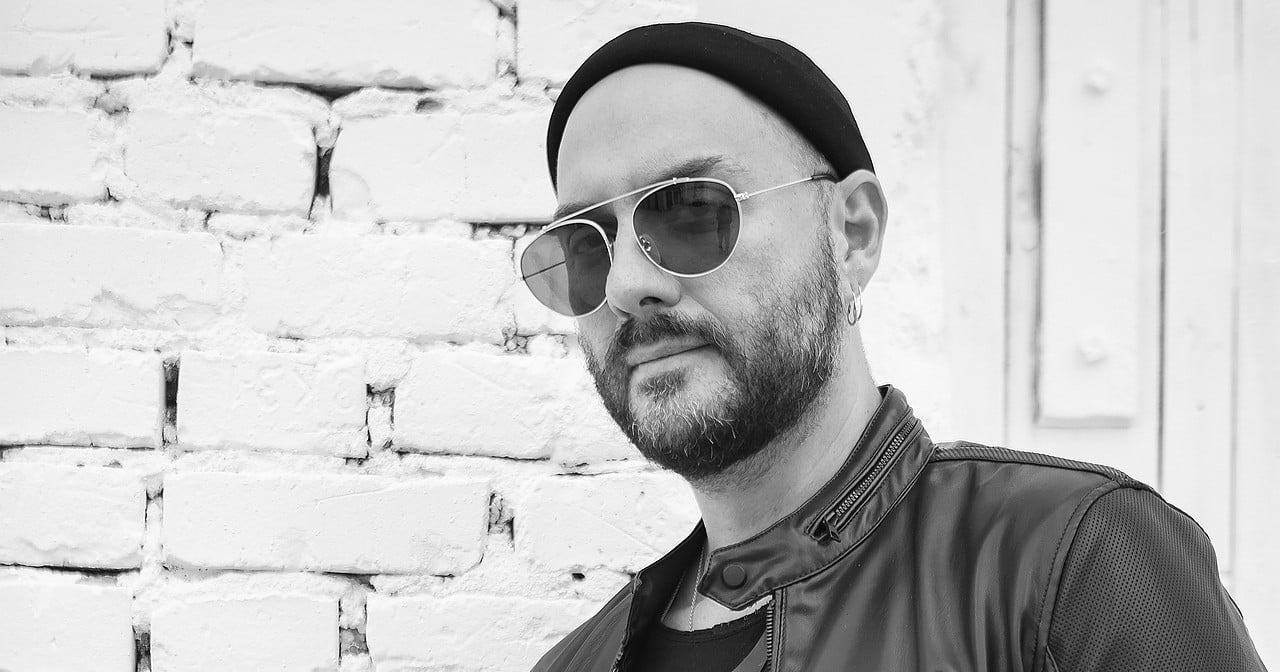
The production, simply titled “Nureyev,” will premiere in Berlin this Saturday under the direction of Kirill Serebrennikov, a gay Russian director who fled his homeland after years of persecution by the Putin regime.
“It is something very special to revive this piece in Berlin,” said Brazilian dancer David Soares, one of several performers who will take on the title role. The 28-year-old, who previously performed in the Russian staging, escaped to the West following Russia’s invasion of Ukraine—a journey that parallels Nureyev’s own defection.
The ballet chronicles the life of Rudolf Nureyev, the celebrated dancer who defected from the Soviet Union to France in 1961 and lived openly as a gay man until his death from AIDS-related complications in 1993. The production’s frank portrayal of Nureyev’s sexuality led to its prohibition in Russia in 2023 under laws targeting what authorities deemed “non-traditional values” and “LGBTQ propaganda.”
Serebrennikov believes the ballet’s message remains as vital as when it first premiered in Moscow in December 2017. “We live in a time when freedom and common sense are in short supply,” the 56-year-old director told AFP. For him, Nureyev represents a “rebel” who transcends any specific era, embodying “a model for how to resist gray, dull normality.”
The Moscow premiere was bittersweet for Serebrennikov, who couldn’t attend his own production as he was under house arrest at the time on charges widely viewed as politically motivated. In 2022, he managed to escape to Berlin, joining thousands of Russians who have fled their homeland since the Ukraine invasion began. The German capital has since become an unofficial headquarters for the Russian opposition movement.
For Soares, portraying the iconic dancer presents a formidable challenge. “It’s impossible to truly embody Nureyev,” he explained. “He was more than a ballet star; he was a personality.” To prepare, Soares immersed himself in studying Nureyev’s interviews, analyzing his mannerisms, posture, gait, and interpersonal style. The dancer described Nureyev’s unique performance style, characterized by “explosive leaps, extreme expression, and artistic freedom in every sense of the word.”
According to Serebrennikov, the Berlin production will largely maintain the original choreography from the 2017 Moscow premiere, with only minor modifications—a decision made at the request of the Berlin State Ballet’s artistic director.
The revival comes amid increasing cultural suppression in Russia, where a sweeping campaign against what authorities call “Western liberal values” has intensified since the full-scale invasion of Ukraine. The crackdown has particularly targeted LGBTQ expression and independent artists critical of the regime.
Berlin’s welcoming of this production highlights the growing divide between Russia’s increasingly restrictive cultural policies and the West’s embrace of artistic freedom. The city has become a significant cultural refuge for Russian artists, much as Paris once served for Nureyev himself.
The ballet’s Berlin debut represents more than just artistic expression—it stands as a powerful statement on creative resilience and the enduring importance of artistic freedom in challenging political repression.
Fact Checker
Verify the accuracy of this article using The Disinformation Commission analysis and real-time sources.

7 Comments
This ballet sounds like a fascinating look into Nureyev’s life and defiance of the Soviet regime. It’s admirable that the production is finding a new home in Berlin where it can be freely performed, despite the controversy in Russia.
It’s disappointing but not surprising to see Russia censor this ballet due to its depiction of Nureyev’s sexuality. This highlights the ongoing crackdown on LGBTQ rights and freedom of expression under the Putin regime.
Nureyev’s defection was a pivotal moment in dance history. I’m glad the ballet commemorating his life and legacy will now reach wider audiences in Berlin, where it can be appreciated without censorship.
The Russian government’s decision to ban this ballet is a troubling sign of its intolerance towards LGBTQ people and its attempts to whitewash history. I’m glad the production has found a new home in Berlin where it can be freely performed.
Banning art that touches on LGBTQ themes is a worrying sign of increasing censorship and intolerance. I’m glad to see this production get a second chance to be appreciated by audiences in Berlin.
Agreed, artistic expression should not be stifled by political agendas. The ability to tell stories that challenge the status quo is essential for a free and open society.
This ballet seems like an important work that sheds light on a pivotal figure in dance history. I’m glad it will now have the opportunity to be seen by audiences in Berlin, where it can be appreciated without the political censorship it faced in Russia.