


Listen to the article
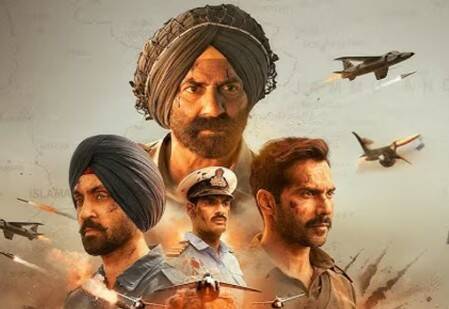
In a spirited defense of military service, the producer of the upcoming film “Border 2” has characterized joining the army as “the most selfless act” rather than propaganda, emphasizing the profound commitment soldiers make to their nation’s security.
The film, a sequel to the 1997 blockbuster “Border,” focuses on the historic 1971 war between India and Pakistan that led to the creation of Bangladesh. This conflict, one of the most significant in South Asian history, resulted in a decisive victory for India and the liberation of East Pakistan, now Bangladesh.
“When we portray military service in cinema, we’re not glorifying war but honoring the sacrifice of individuals who put nation above self,” the producer stated during a press conference in Mumbai. “These men and women deserve recognition for their courage and commitment.”
The 1971 war, lasting just 13 days, is widely regarded as one of India’s most significant military victories. It began after Pakistan launched air strikes on Indian bases on December 3, 1971, with India responding by formally declaring war. The conflict ended with the surrender of approximately 93,000 Pakistani troops, the largest military surrender since World War II.
“Border 2” aims to capture the intensity of this historical moment while highlighting personal stories of valor from the battlefield. The original “Border,” directed by J.P. Dutta and starring Sunny Deol, Suniel Shetty, and Jackie Shroff, remains one of India’s most successful war films, focused on the 1971 Battle of Longewala.
The producer’s comments come amid ongoing debates in India and globally about how military service is portrayed in popular culture. Critics sometimes argue that war films can romanticize conflict or serve as recruitment tools, while supporters maintain they honor genuine sacrifice and preserve important historical narratives.
Indian war films have seen a resurgence in recent years, with movies like “Uri: The Surgical Strike,” “Shershaah,” and “Sam Bahadur” performing well both critically and commercially. This trend reflects growing public interest in stories of national security and military history.
Film industry analysts point out that war films often resonate with audiences because they combine historical significance with emotional storytelling. “These films connect viewers to pivotal moments in our history while personalizing large-scale events through individual characters,” noted one prominent Mumbai-based film critic.
The India-Pakistan war of 1971 holds particular significance in Indian collective memory. Beyond its military implications, the conflict resulted in massive refugee movements and humanitarian challenges as millions fled from East Pakistan to India. The war ultimately led to the creation of Bangladesh on December 16, 1971, forever changing the geopolitical landscape of South Asia.
“Border 2” reportedly features extensive research into military operations and battlefield tactics to ensure historical accuracy. The production team has consulted with military historians and veterans of the 1971 war to authenticate details ranging from uniforms and equipment to strategic decisions.
The film industry’s approach to war narratives has evolved significantly since the original “Border” released nearly 25 years ago. Modern war films typically aim for greater technical precision and psychological depth while acknowledging the complex moral dimensions of armed conflict.
As “Border 2” prepares for release, it joins a growing catalog of Indian films examining the nation’s military history. The producer’s emphasis on service rather than propaganda suggests an approach that honors individual sacrifice while acknowledging the profound consequences of warfare.
The film is expected to generate significant interest not only in India but also in Bangladesh, where the 1971 liberation remains a cornerstone of national identity, and in Pakistan, where perspectives on the conflict differ substantially from those of its neighbors.
Fact Checker
Verify the accuracy of this article using The Disinformation Commission analysis and real-time sources.

8 Comments
Interesting perspective on portraying military service in film. While the sacrifice of soldiers is commendable, we should be cautious about glorifying war, even historic conflicts. It’s a nuanced issue that deserves thoughtful discussion.
The 1971 India-Pakistan war was a pivotal moment in South Asian history, leading to Bangladesh’s independence. Honoring the courage and commitment of the troops involved is understandable, but we must also consider the broader geopolitical context and human cost of war.
Agreed. While the military victory was significant, the human toll of war should not be overlooked. Thoughtful portrayals that balance patriotism and the realities of conflict are important.
Interesting to see the producer’s perspective on this. The 1971 war was a significant moment in history, and honoring the troops involved is understandable. However, I hope the film also explores the complex realities and consequences of armed conflict.
Agreed. A nuanced approach that acknowledges both the courage of soldiers and the human toll of war would be ideal. It’s a challenging but important task for the filmmakers.
I’m curious to see how the film ‘Border 2’ approaches the topic of military service and the 1971 war. It’s a complex issue, and I hope the filmmakers strive for nuance and balance in their depiction.
While I appreciate the producer’s intent to recognize the selflessness of soldiers, I share the concern about the potential for glorifying war, even unintentionally. It’s a delicate balance to strike in a war film.
The producer’s comments about not glorifying war but honoring sacrifice seem reasonable. Portraying the profound commitment of soldiers is valuable, but the film should also grapple with the ethical dilemmas and human costs of armed conflict.