


Listen to the article
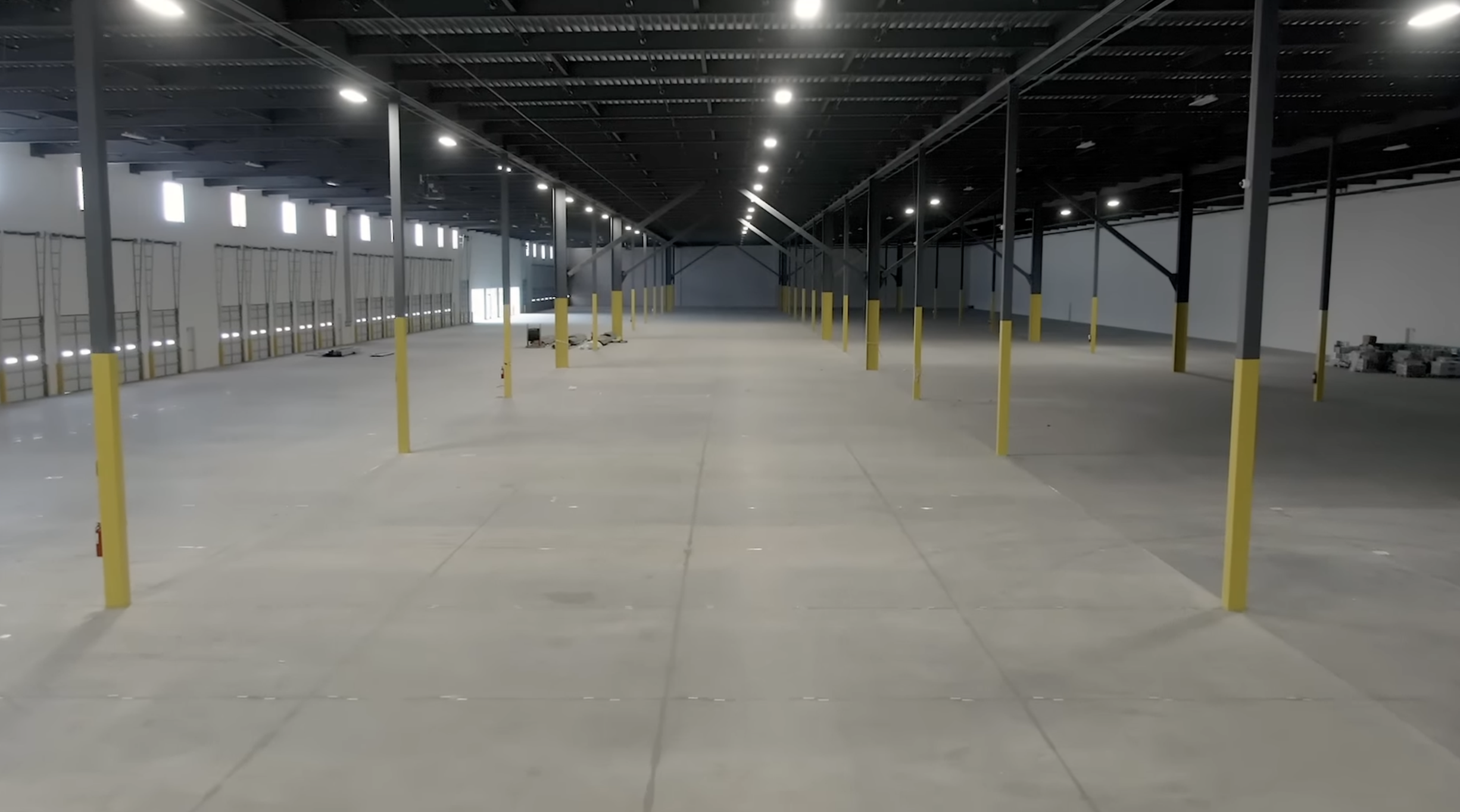
Apple announced on Tuesday a major expansion of its manufacturing operations in Houston, Texas, where the company will begin producing Mac mini computers in the United States for the first time. This significant shift in production strategy will be accompanied by expanded AI server manufacturing and a new Advanced Manufacturing Center offering hands-on training.
“Apple is deeply committed to the future of American manufacturing, and we’re proud to significantly expand our footprint in Houston with the production of Mac mini starting later this year,” said Tim Cook, Apple’s CEO, in the company’s press release. He added, “We began shipping advanced AI servers from Houston ahead of schedule, and we’re excited to accelerate that work even further.”
The expansion will double the footprint of Apple’s existing Houston campus and is expected to create thousands of new jobs in the region. This represents one of the most significant manufacturing investments by Apple on American soil in recent years.
The Mac mini, known for its compact design and robust performance capabilities, has been a staple in Apple’s product lineup for over two decades. The small desktop computer has gained particular popularity among students, creative professionals, and small business owners due to its versatility and relatively accessible price point compared to other Mac products.
During a tour of U.S. partner facilities with The Wall Street Journal, Apple’s Chief Operating Officer Sabih Khan revealed that “thousands” of Mac mini units are currently assembled weekly. This production rate suggests an annual output potentially reaching into the hundreds of thousands of units, highlighting the significance of bringing this manufacturing capacity to the United States.
This move comes amid growing pressure on technology companies to increase domestic manufacturing and reduce dependency on overseas production, particularly from China. The tech industry has faced supply chain disruptions in recent years due to the COVID-19 pandemic, geopolitical tensions, and trade disputes, prompting many companies to reconsider their manufacturing strategies.
Apple’s decision also aligns with broader industry trends toward reshoring or “friendshoring” critical technology manufacturing. The CHIPS and Science Act, passed in 2022, provides significant incentives for semiconductor manufacturing in the United States, demonstrating the government’s commitment to bolstering domestic technology production.
The company’s expansion of AI server manufacturing in Houston is particularly noteworthy as artificial intelligence continues to play an increasingly central role in Apple’s product development strategy. The company has been integrating more advanced AI capabilities across its product lineup, including the Mac mini, which Apple described as having “next-level AI capabilities” in its announcement.
While Apple has maintained some manufacturing in the United States—most notably the Mac Pro, which has been assembled in Austin, Texas since 2013—the vast majority of the company’s products are still manufactured overseas, primarily in China and increasingly in countries like Vietnam and India as part of a diversification strategy.
Financial analysts suggest this move, while significant symbolically, represents a relatively small portion of Apple’s overall manufacturing operations. However, it may signal a willingness to gradually increase U.S. production if economic and political conditions continue to favor domestic manufacturing.
The Houston expansion is expected to begin operations later this year, though Apple has not specified exactly when the first U.S.-assembled Mac mini units will reach consumers or whether these domestically produced units will be designated as such in their marketing.
Fact Checker
Verify the accuracy of this article using The Disinformation Commission analysis and real-time sources.

16 Comments
It’s great to see Apple doubling down on its US manufacturing footprint. The Mac Mini has been a reliable workhorse for many years, so it makes sense to produce more of them locally.
Interesting move by Apple to shift some Mac Mini production to the US. It will be exciting to see how this impacts the brand’s manufacturing footprint and job creation in the region.
Agreed. The compact Mac Mini has always been a popular option, so it makes sense for Apple to focus more on domestic production.
Apple’s expansion in Houston is an encouraging sign for the future of American manufacturing. Investing in AI and hands-on training programs could help develop valuable local talent.
Absolutely. Domestic production of the Mac Mini, combined with the new Advanced Manufacturing Center, is a promising step forward for Apple and the region.
The shift of Mac Mini production to the US is an intriguing move by Apple. I wonder how this will impact the product’s pricing and availability in the long run.
That’s a good point. Increased domestic manufacturing may come with higher costs, but could also provide more supply chain resilience.
This seems like a strategic decision by Apple to showcase their commitment to US manufacturing. Expanding their Houston campus and investing in AI server production is a significant move.
I wonder how this will affect Apple’s supply chain and pricing for the Mac Mini. Domestic production could provide more control but may also increase costs.
The Mac Mini has always been a versatile and affordable option in Apple’s lineup. Shifting some production to the US could be a strategic move, though the long-term impact remains to be seen.
Agreed. It will be interesting to follow how this decision affects the Mac Mini’s pricing and availability for consumers.
This is an interesting development in Apple’s manufacturing strategy. Shifting some Mac Mini production to the US could provide more control over the supply chain, but may also impact pricing.
That’s a good point. Domestic production may come with higher costs, but could also offer more resilience and flexibility for Apple.
Apple’s commitment to American manufacturing is admirable. Expanding their Houston campus and incorporating AI server production is an ambitious plan with potential benefits for the local economy.
The Mac Mini has always been a versatile and affordable option in Apple’s lineup. Shifting some production to the US is an interesting development, though the impact on consumers remains to be seen.
Apple’s expansion in Houston is an encouraging sign for the future of American manufacturing. Investing in AI and hands-on training programs could help develop valuable local talent.