


Listen to the article
Anurag Kashyap Defends ‘Dhurandhar’ as Courageous Cinema, Questions Propaganda Label
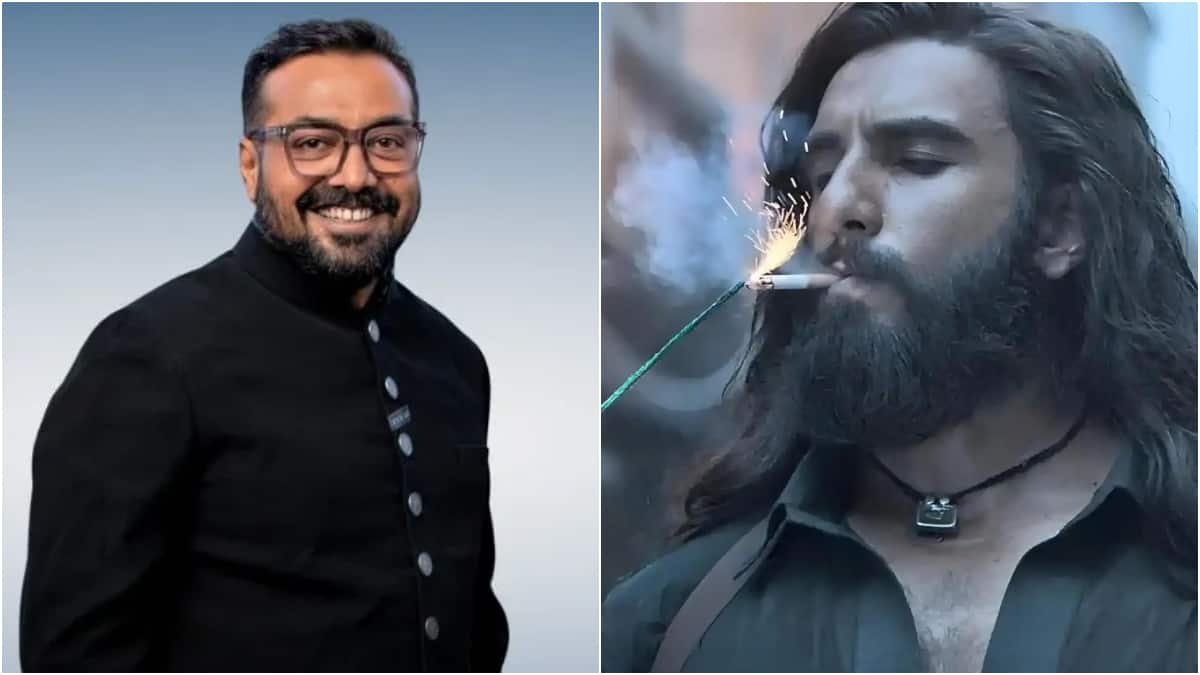
Veteran filmmaker Anurag Kashyap has offered a nuanced take on the Ranveer Singh-starrer “Dhurandhar,” praising it as a “courageous mainstream film” while simultaneously addressing criticism about its political messaging. Speaking at the 17th Bengaluru International Film Festival during a session titled “Fearless Film Making,” Kashyap provided thoughtful insights on the intersection of cinema and politics in today’s polarized environment.
Kashyap made it clear that while he appreciated “Dhurandhar” for its cinematic qualities and ambitious scale, he took issue with certain ideological elements embedded in the narrative. “I liked the film, but I didn’t like some of the ideologies,” he explained. “The dialogue about ‘This is the new India’ and one long political monologue, among a total of three scenes, were unnecessary; even without them, the film’s impact would not have diminished.”
His comments come at a time when Indian cinema, particularly mainstream Bollywood productions, faces increasing scrutiny for political messaging. “Dhurandhar,” which has performed well at the box office, has sparked debates about whether entertainment is increasingly becoming a vehicle for political narratives in India’s film industry.
On the contentious topic of labeling films as propaganda, Kashyap offered a more complex perspective. He argued that such characterizations can themselves become a form of propaganda that shuts down meaningful dialogue about a film’s artistic merits. Drawing parallels with Hollywood franchises that often carry cultural or ideological subtexts, Kashyap suggested that audiences and critics should adopt a more holistic approach when evaluating politically charged content.
“Calling films propaganda or promotion is itself a form of propaganda,” Kashyap remarked, highlighting the risk of reducing complex artistic works to simple political categorizations. This stance reflects broader concerns in India’s creative community about the narrowing space for nuanced storytelling in an increasingly polarized climate.
Film industry experts note that Kashyap’s comments reflect growing tensions in Indian cinema between artistic expression and political sensitivities. In recent years, several high-profile films have faced controversies over their perceived political leanings, with both right and left-wing groups calling for boycotts or censorship of content they find objectionable.
During the festival discussion, Kashyap also reflected on the evolution of political themes in Indian cinema. He observed that films with strong political messaging might face greater challenges today than in previous decades, suggesting a shift in both the industry’s approach and audience reception to politically charged content.
The filmmaker, known for his own boundary-pushing work, encouraged fellow directors to continue pursuing bold narratives despite these challenges. He acknowledged that diverse viewpoints will inevitably generate debate but emphasized the importance of maintaining creative integrity in the face of criticism.
Kashyap’s own directorial work continues to push boundaries in Indian cinema. His film “Kennedy,” which premiered at the Cannes Film Festival three years ago, is now set for release on streaming platform ZEE5. The film, starring Rahul Bhat and Sunny Leone, further cements Kashyap’s reputation as one of India’s most distinctive and outspoken filmmakers.
As Indian cinema navigates complex questions about artistic freedom, political influence, and audience expectations, Kashyap’s balanced assessment of “Dhurandhar” offers a template for how filmmakers and critics might engage with politically charged content in ways that honor both creative expression and ideological diversity.
Fact Checker
Verify the accuracy of this article using The Disinformation Commission analysis and real-time sources.

10 Comments
Kudos to Anurag Kashyap for his honest assessment of ‘Dhurandhar’. His ability to separate the film’s artistic qualities from its political messaging is admirable. More voices like his are needed to ensure Bollywood maintains its integrity and creative vision.
Well said. Kashyap’s nuanced perspective is a welcome counterpoint to the often binary debates around politics in cinema. His willingness to engage thoughtfully with the complexities is a model for other industry leaders.
I’m glad Anurag Kashyap was able to recognize the positive aspects of ‘Dhurandhar’ while also highlighting its problematic political messaging. It’s a sign of a mature, thoughtful approach to analyzing films in today’s polarized climate.
Absolutely. Kashyap’s comments demonstrate the importance of critical thinking and the ability to appreciate art while still maintaining a skeptical eye towards overt political agendas. It’s a valuable perspective for the industry.
Interesting to see Anurag Kashyap’s nuanced take on ‘Dhurandhar’. While he praised the film’s courage and ambition, he rightly questioned the unnecessary political messaging. It’s important for filmmakers to find the right balance between entertainment and ideology.
I agree. Kashyap’s comments highlight the delicate line filmmakers must walk between artistic expression and political propaganda. It’s a fine balance, and one that deserves thoughtful discussion.
Kudos to Anurag Kashyap for his honest assessment of ‘Dhurandhar’. Appreciating the film’s cinematic merits while calling out its political overtones is a mark of a discerning critic. Mainstream cinema needs more voices like his to maintain its integrity.
Well said. Kashyap’s ability to separate the art from the politics is commendable. It’s crucial for influential voices in the industry to provide nuanced critiques that don’t shy away from the tough questions.
Anurag Kashyap’s take on ‘Dhurandhar’ is refreshing. He’s able to appreciate the film’s cinematic merits while also calling out its political leanings. This kind of nuanced analysis is crucial in an environment where propaganda often masquerades as entertainment.
Agreed. Kashyap’s willingness to engage with the film’s politics, rather than simply dismissing it, shows a depth of understanding that is sorely needed. Balanced critiques like this help audiences navigate the complex interplay of art and ideology.